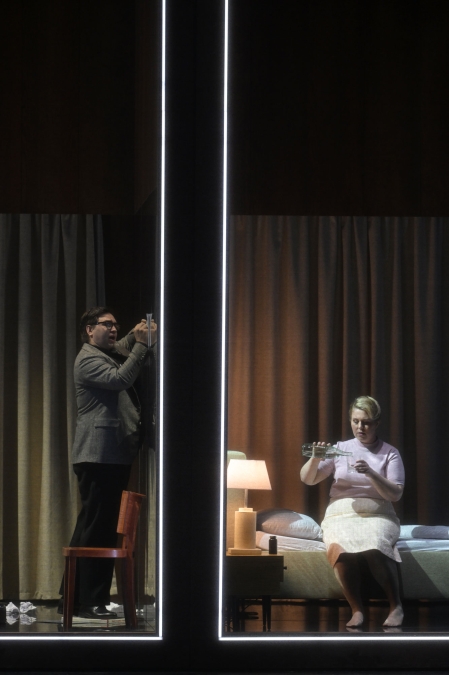
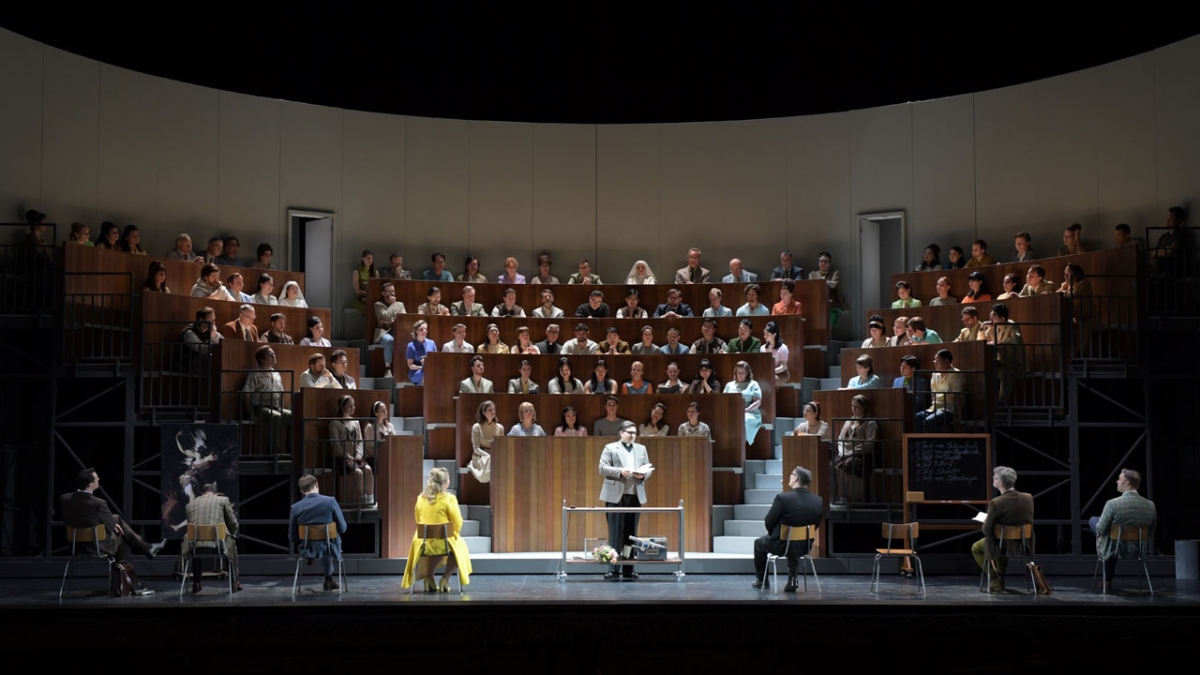
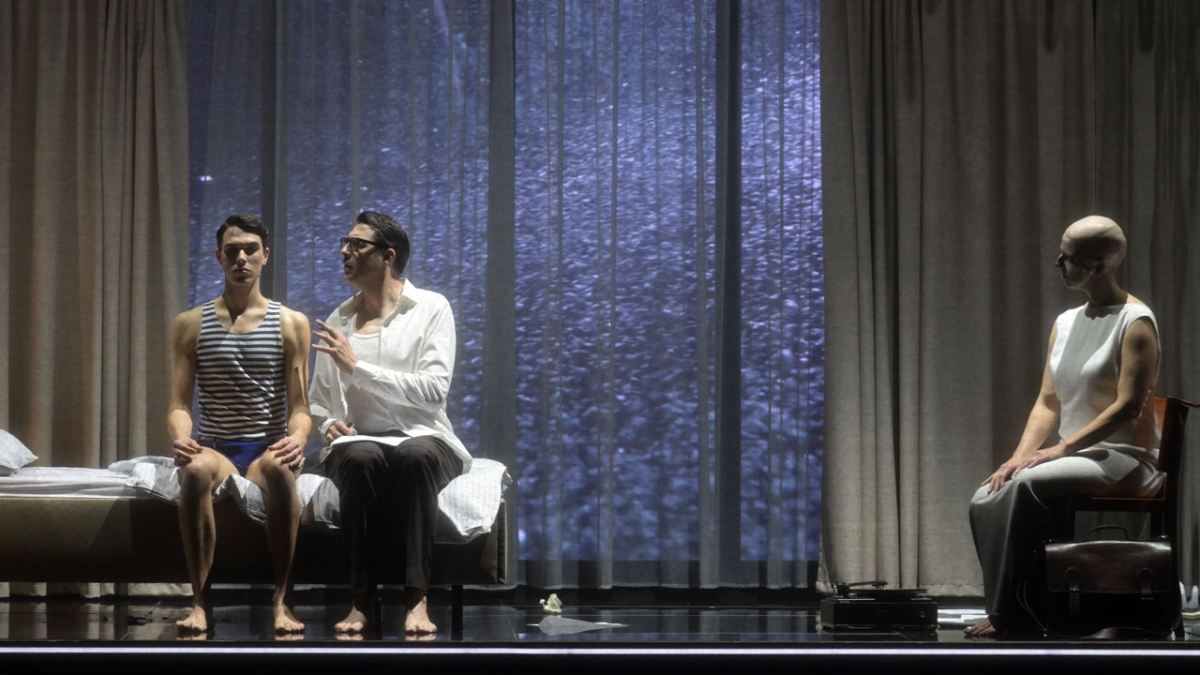
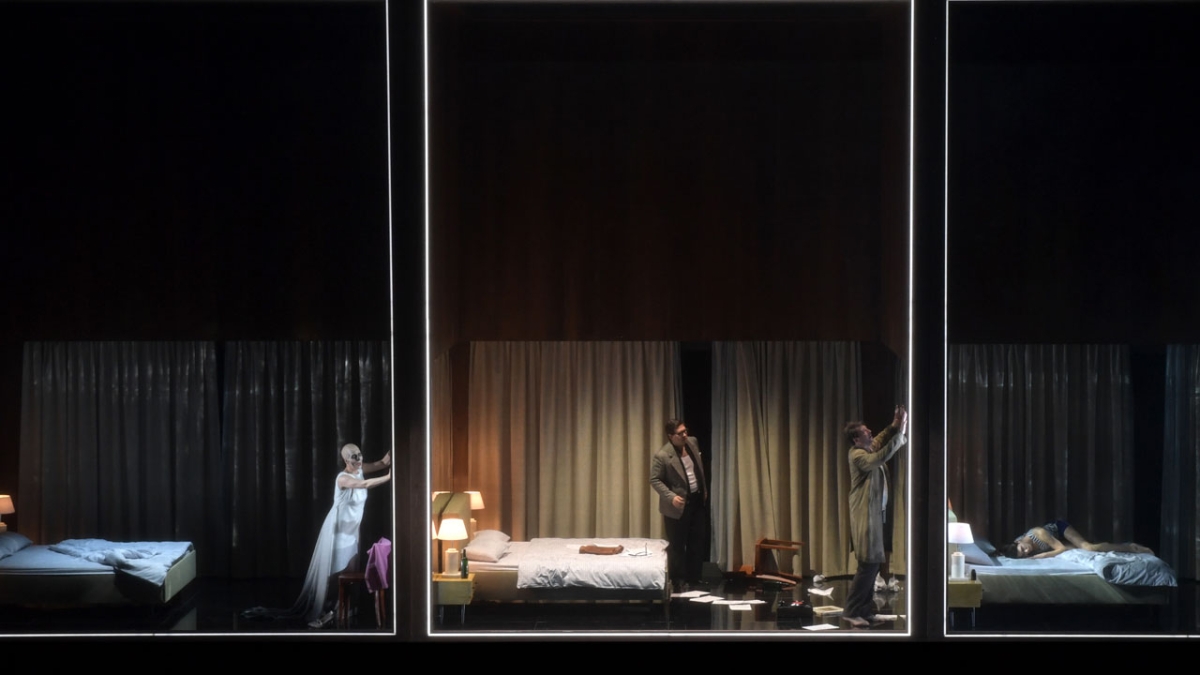
The German author Heinrich von Ofterdingen fled to America when the Nazis seized power. In exile in California he took up a professorship at the catholic Maris Stella University while enjoying great literary success: his novel Montsalvat was awarded the 1956 Pulitzer Prize. At the peak of his fame he vanished from the public eye without trace.
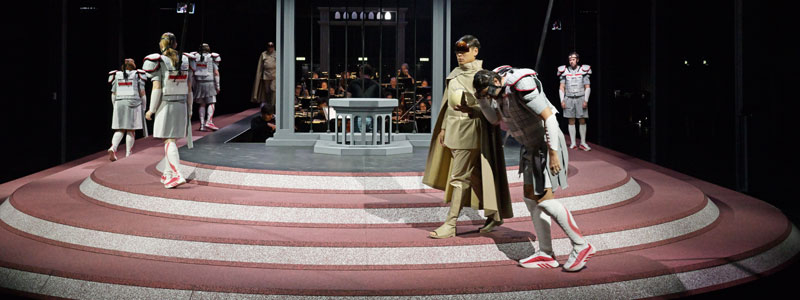
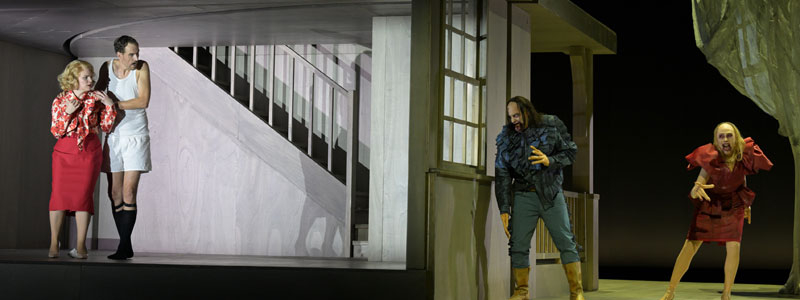
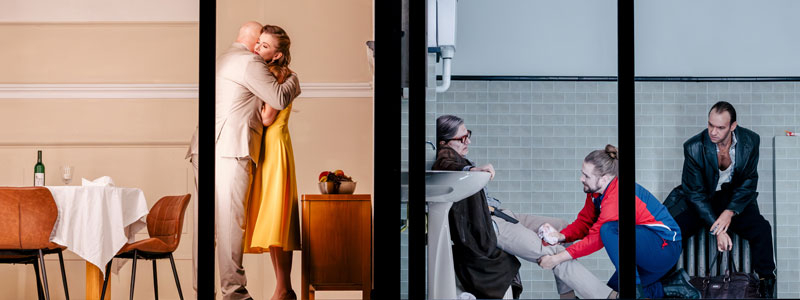
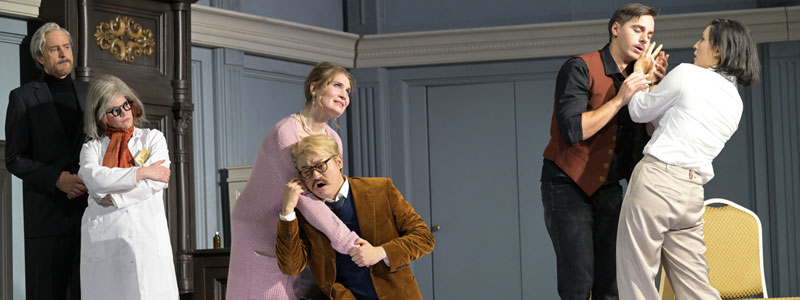
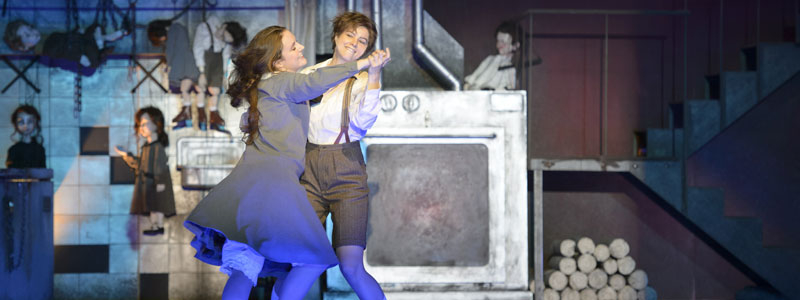
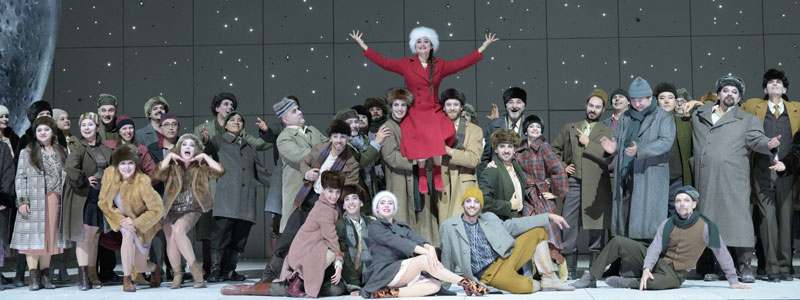
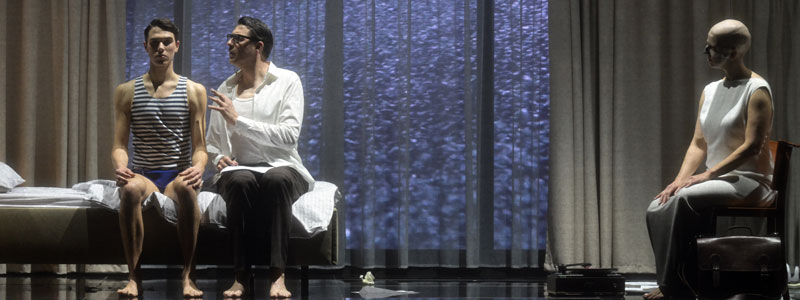
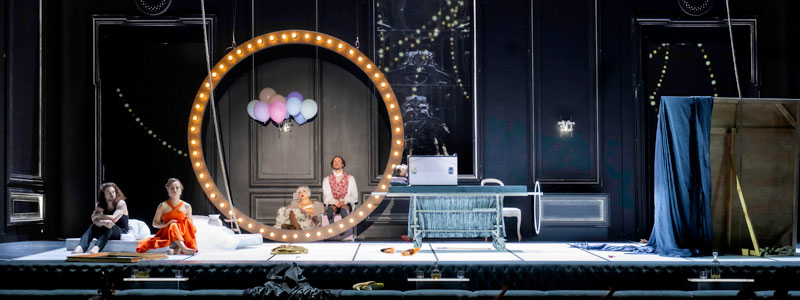
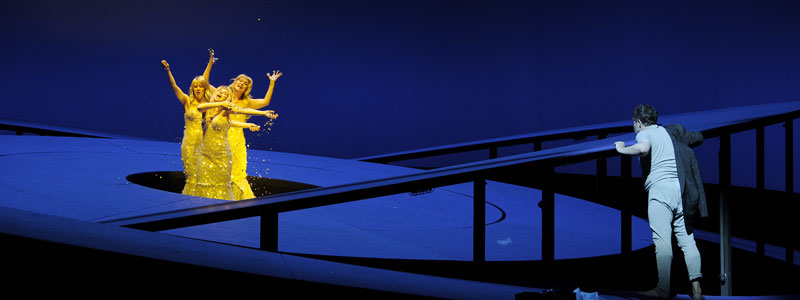
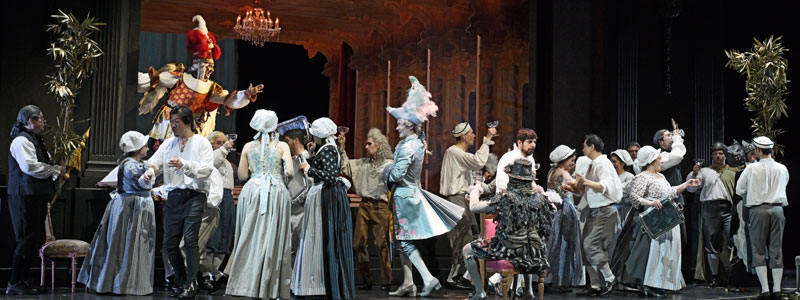
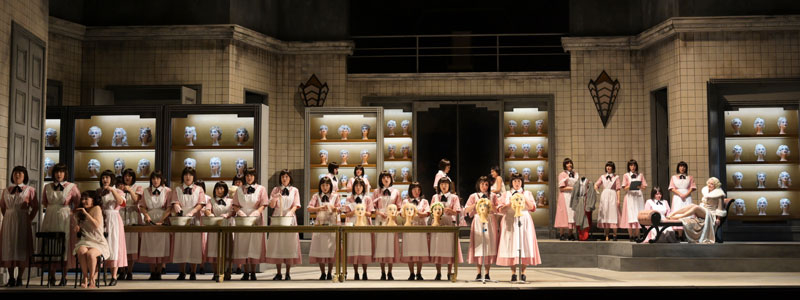
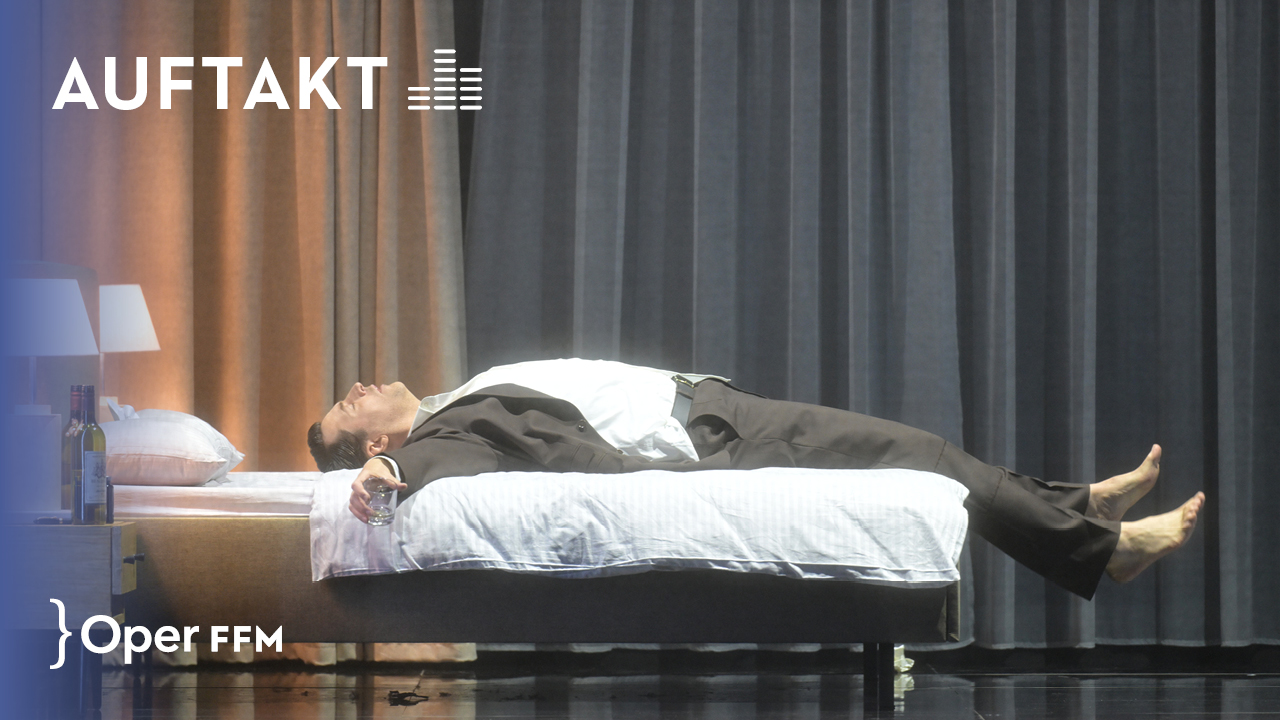
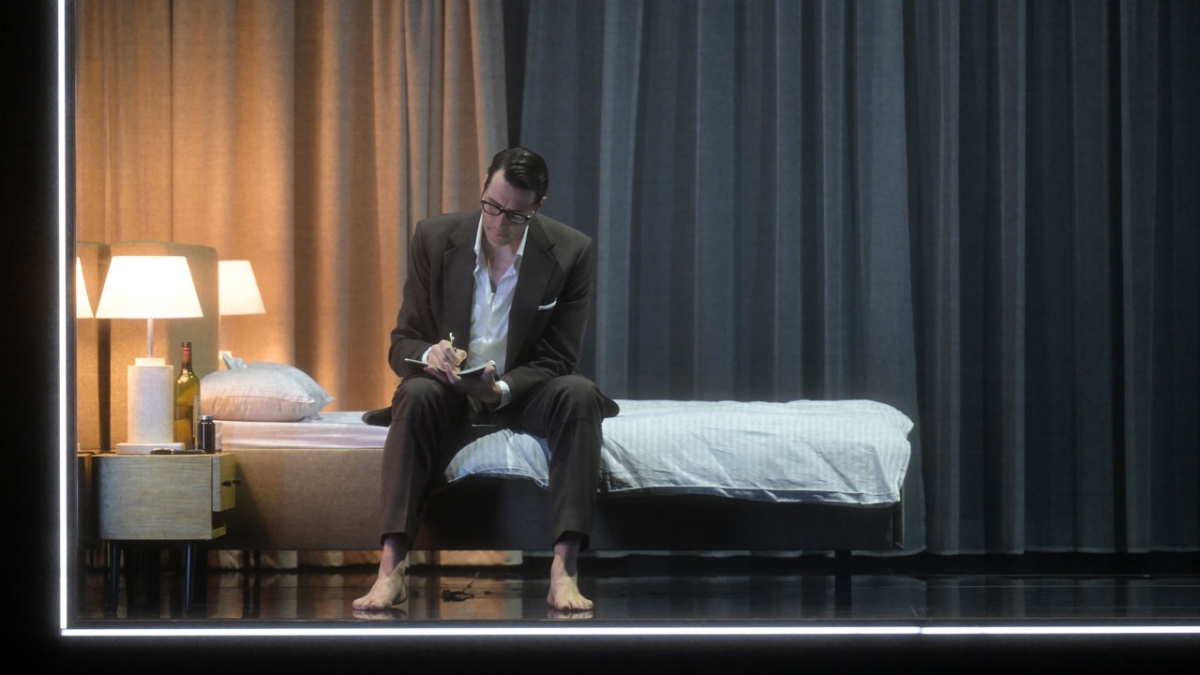
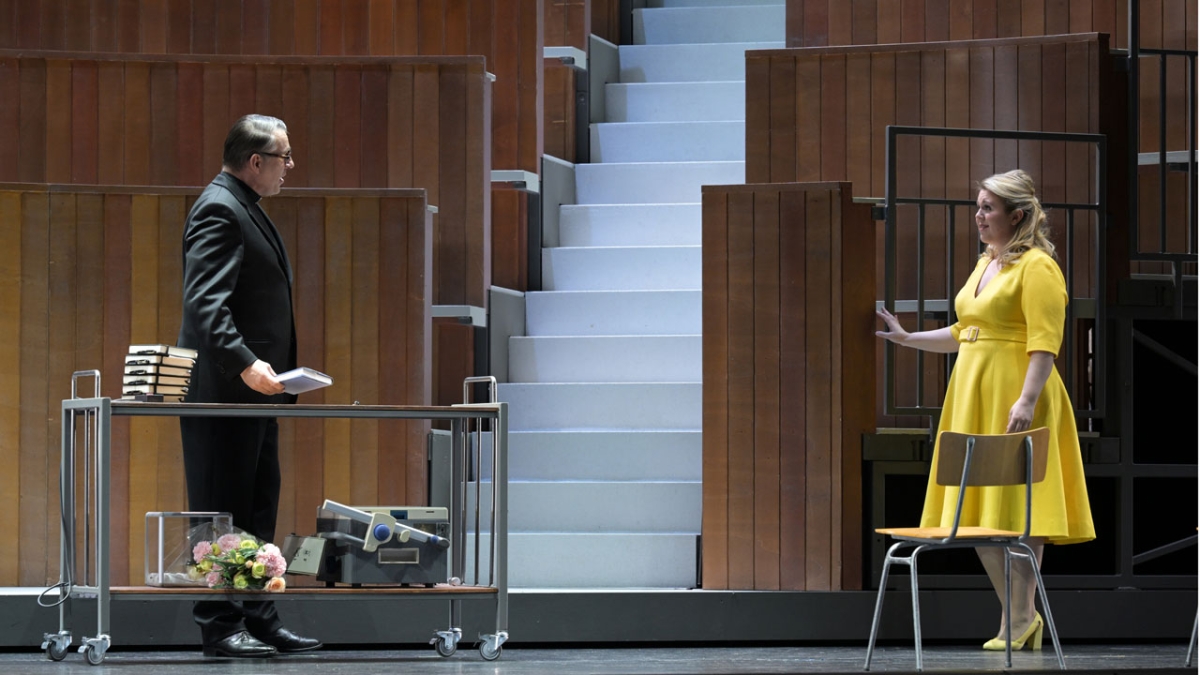
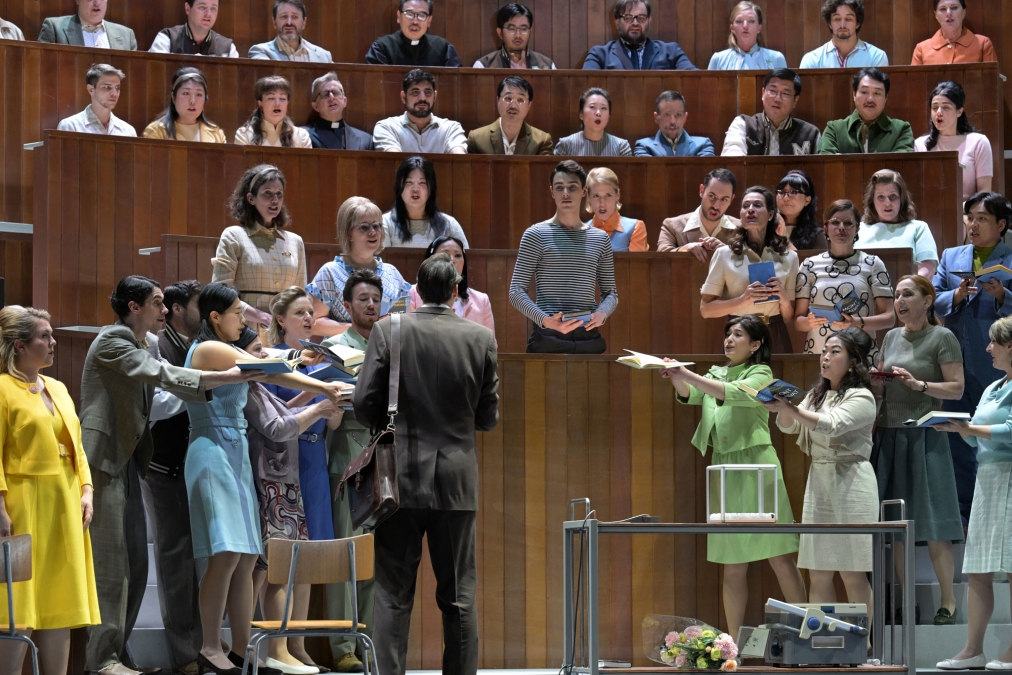
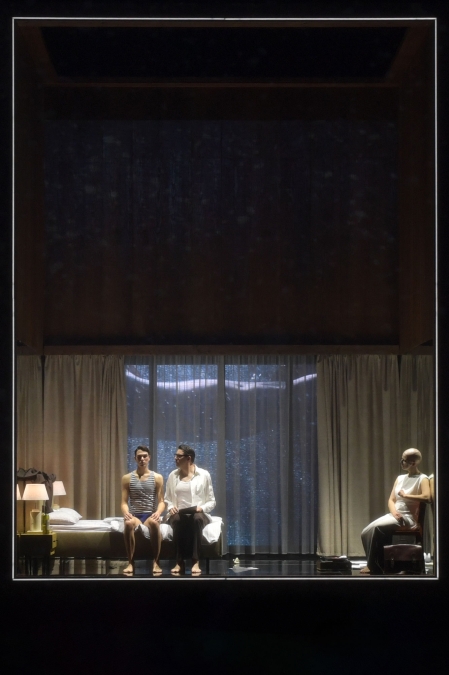
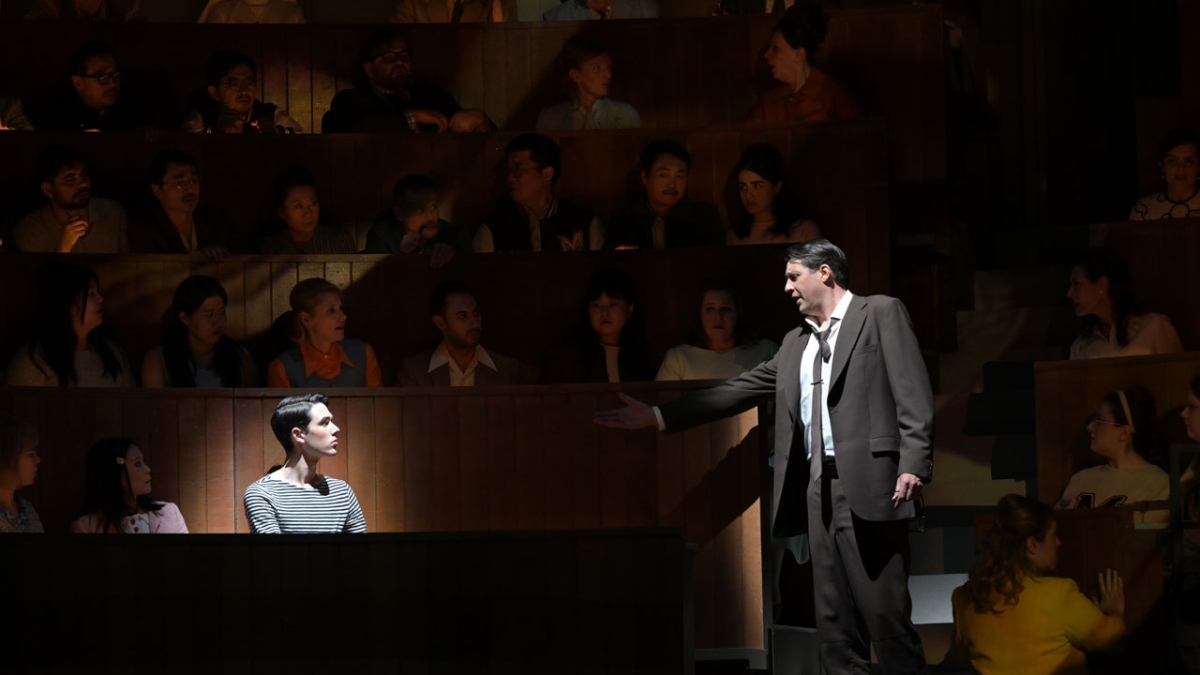
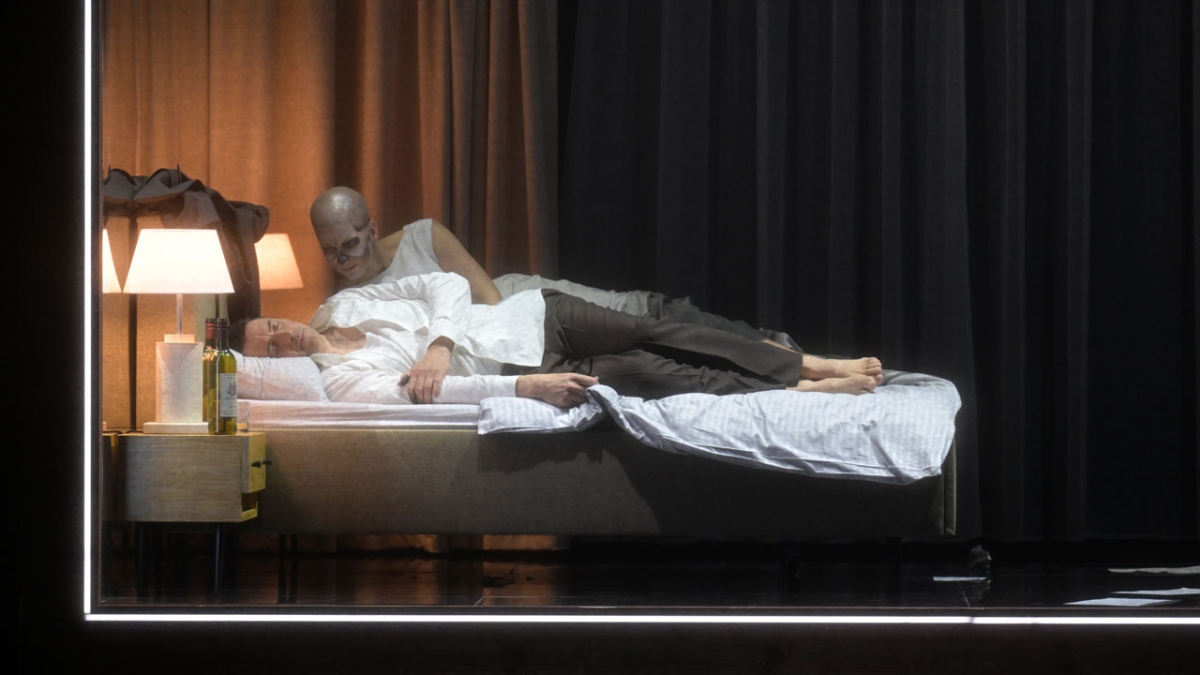
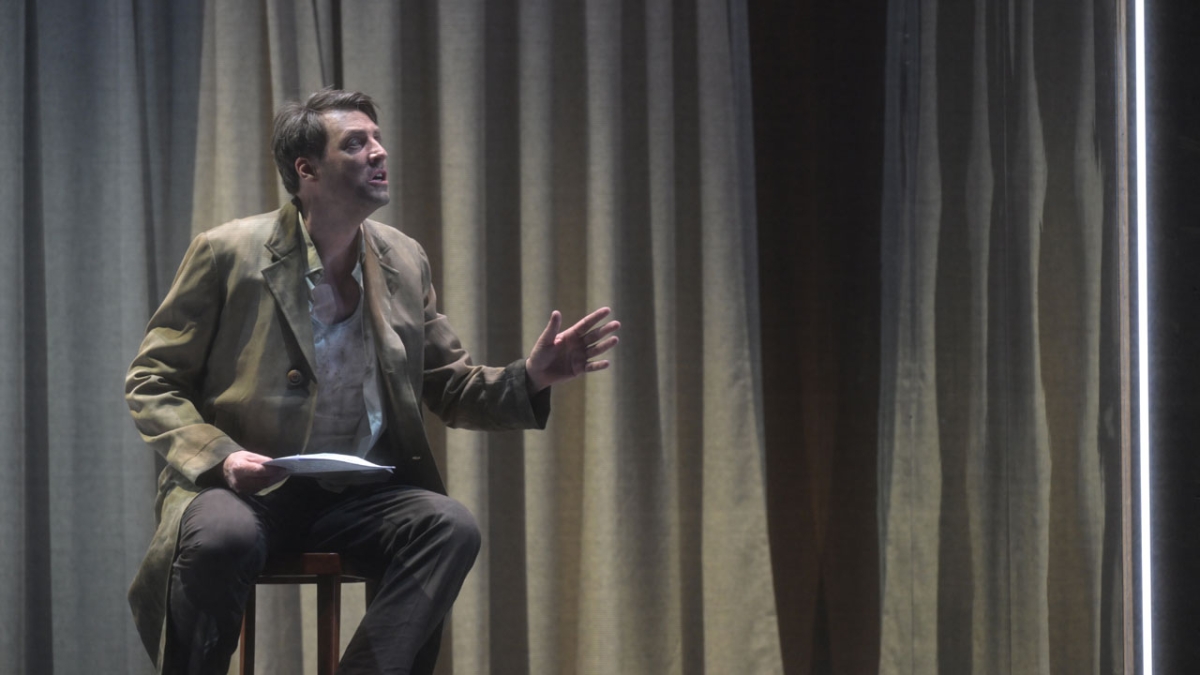
Act I He’d become a recluse in his flat, where he’s been working on a new novel for months, without any success. Fuelled by morphine tablets and the Bacchanal from Wagner’s Tannhäuser his literary fantasies come to life. Venus, Goddess of Love, appears to him, awakening his latent erotic desires: she conjures up a young student, whose beauty sweeps Heinrich off his feet. But he ends up longing for his ordered life as a professor ̶ much to Venus’ chagrin: she tries everything to make him carry on writing, warning him about how cold human society can be, but Heinrich’s adamant, and suddenly finds himself back in his university. He sees a delegation of pilgrims being sent to Rome with a statue of Our Lady. Deeply moved by their devout singing, Heinrich’s overcome with remorse. When his fellow professors find him they suggest he take up his former post again. Heinrich agrees, after initial doubts, but suspects his secret fantasies will come back to haunt him. Act II Elisabeth can hardly wait to see her former mentor again. When Heinrich arrives there’s a tentative moment of reconciliation between them. Wolfram von Eschenbach, who’s secretly in love with Elisabeth, takes bitter note of this. Landgraf Hermann, Maris Stella University’s dean, launches an in-house university poetry competition, at which participants are asked to fathom the »Nature of Love«. While his professorial colleagues demonstratively praise platonic love in their attempts, figures from his erotic dreams appear to Heinrich. He interrupts the competition in an increasingly offensive manner, before kissing a young student for all to see. The audience is shocked and attacks the once so celebrated author. The crowd only calms down, for now, when Elisabeth stands before him protectively. Deeply hurt by Heinrich’s transgression, Elisabeth begs that he be given a second chance. Hermann agrees: Heinrich must ask the Pope for forgiveness, but only be socially rehabilitated if he is pardoned. Tortured by feelings of remorse, Heinrich agrees.
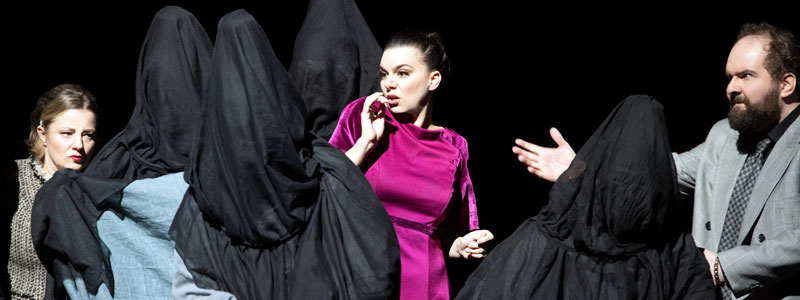
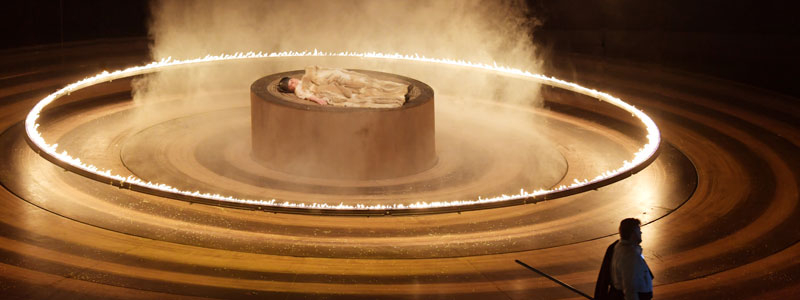
Act III Elisabeth's been waiting for months, longing for Heinrich’s return. Wolfram tries to comfort her, but achieves the opposite: It becomes clear to Elisabeth, in a nightmarish vision, that Heinrich will never find mercy on earth. She asks the Virgin Mary for help. Wolfram sees his chance: he approaches Elisabeth, but she rejects him. Wolfram finds himself back in Heinrich’s bedroom and imagines how Elisabeth might end her life. Heinrich appears: He tells Wolfram about his unsuccessful search for forgiveness before resubmitting to the Goddess Venus’ power. Elisabeth’s got hold of Heinrich’s unfinished manuscripts. How will future generations see the life and work of the disgraced author?
Matthew Wild