Blood Wedding
Wolfgang Fortner 1907–1987
Lyric Tragedy in 2 acts
Text based on Federico García Lorca, translated into German by Enrique Beck
First performed June 8 1957, Städtische Oper, Cologne
Sung in German with German & English surtitles
Introductory talks (in German) in the Holzfoyer 30 mins before curtain up, available on video here shortly after opening night, and everywhere where podcasts can be found.
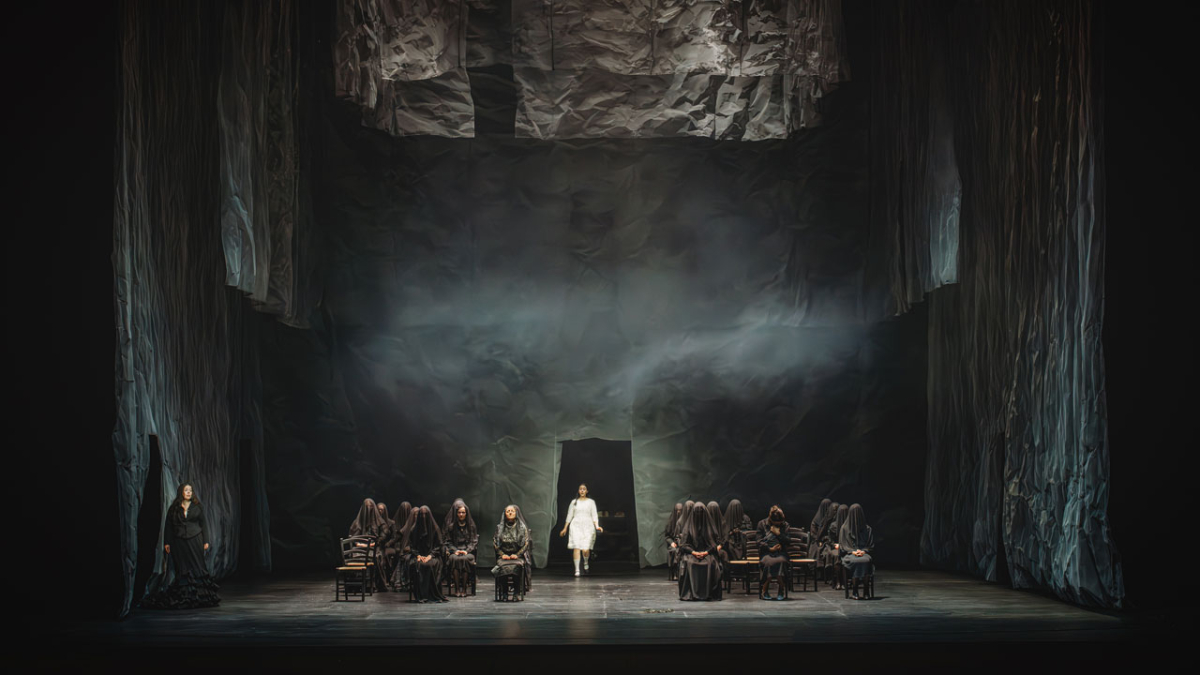
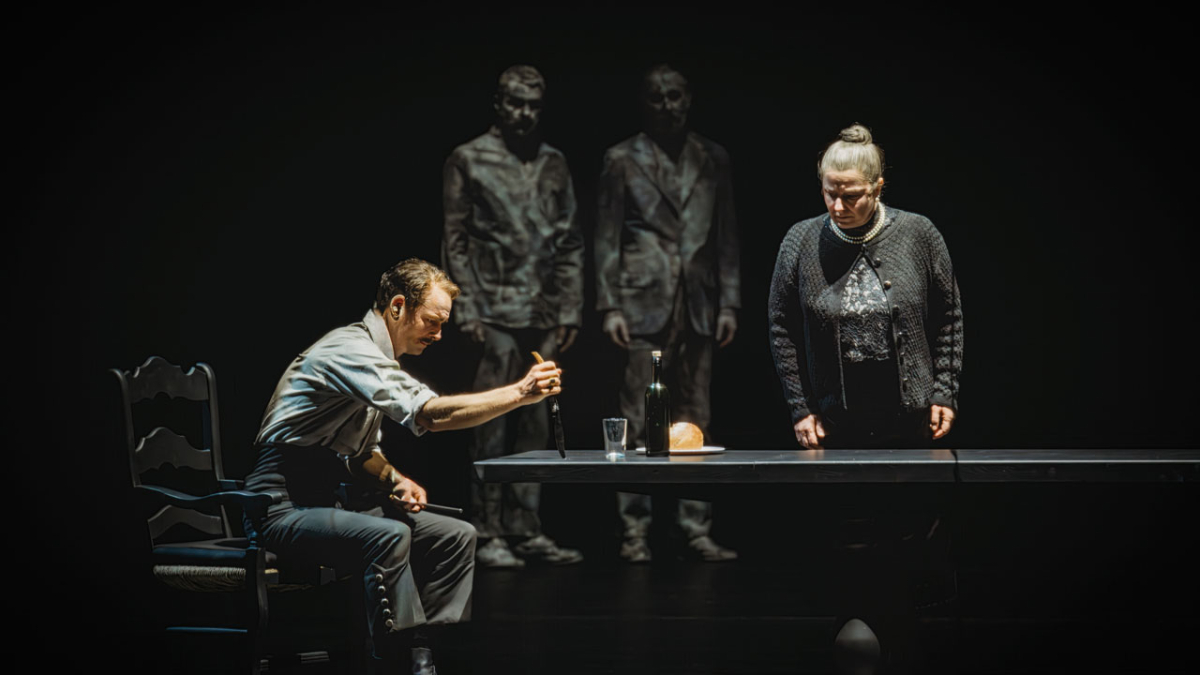
The mother’s house. The bridegroom’s going to his newly purchased vineyard, so asks his mother for a knife to cut some grapes. The knife brings back painful memories: her husband and older son were stabbed to death in an acrimonious fight with the Félix family. The son talks to his mother about his forthcoming marriage, to change the subject. The mother approves of the bride because she’s decent and diligent. She finds out from a neighbour that she was engaged to Leonardo Félix, one of the enemy, who then married the bride’s cousin. The neighbour thinks it would be best if the son didn’t find out about this. The mother agrees.
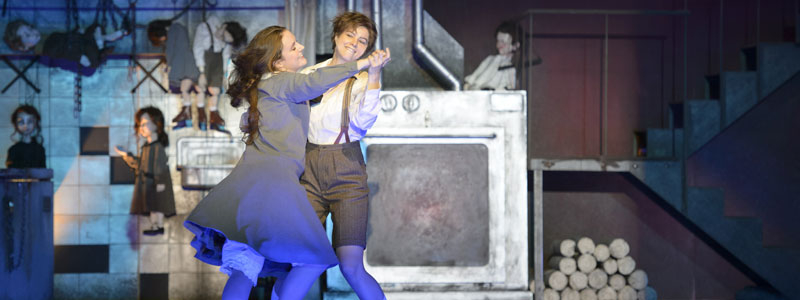
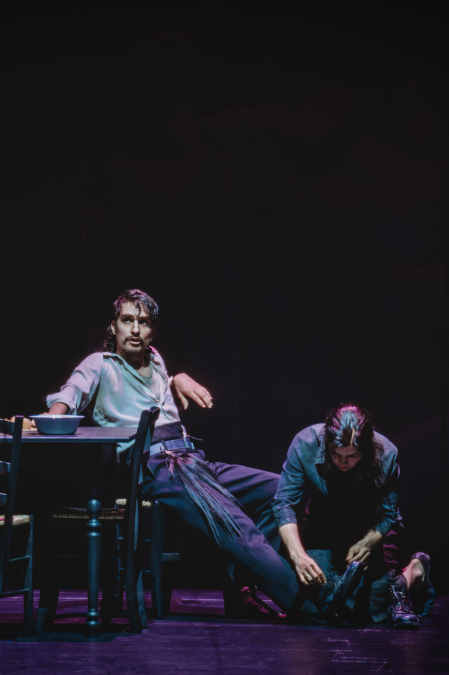
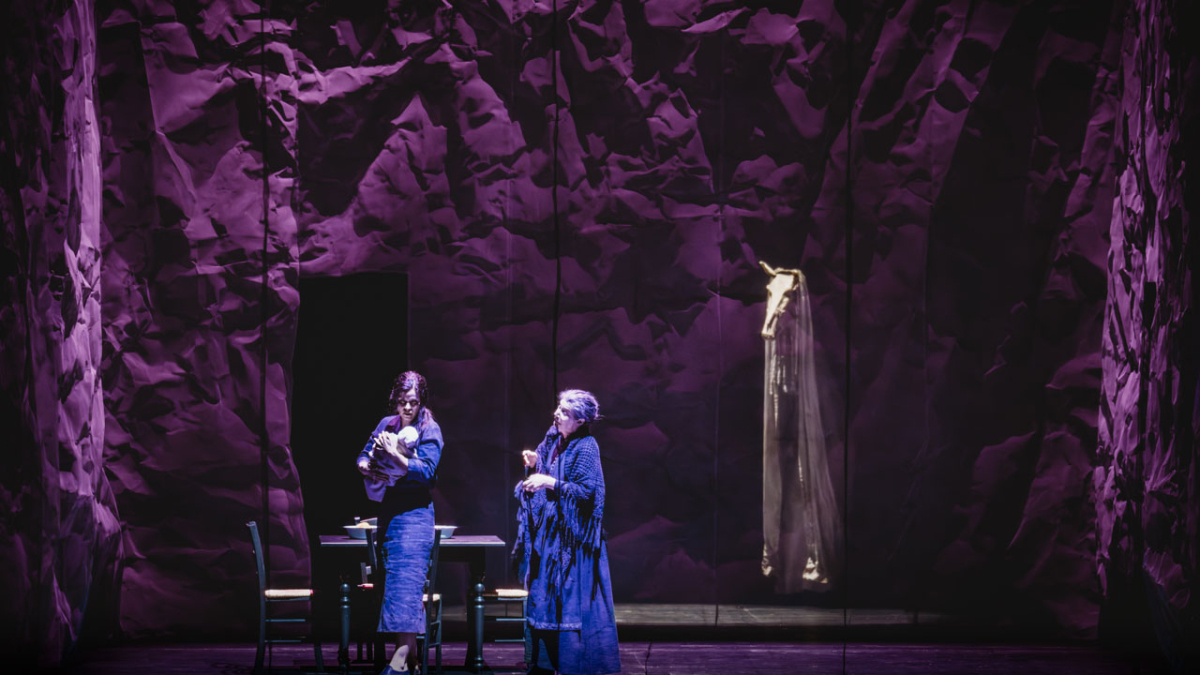
Leonardo’s house. His wife’s rocking their baby to sleep. Leonardo returns from the smithy, his horse keeps losing a shoe. His suspicious wife says he was seen riding on the wasteland yesterday. He denies it, reacting angrily when she says someone’s going to ask for her cousin’s hand the next day.
The bride's house
Mother and bridegroom have come to ask for the bride’s hand in marriage, with gifts for the bride. The bride’s father’s happy about the arrangement. Mother and bridegroom take their leave. The maid talks excitedly about seeing Leonardo on his horse under the bride’s window at night. The bride’s distraught. Horse’s hooves are heard. It’s Leonardo again, galloping past the house.
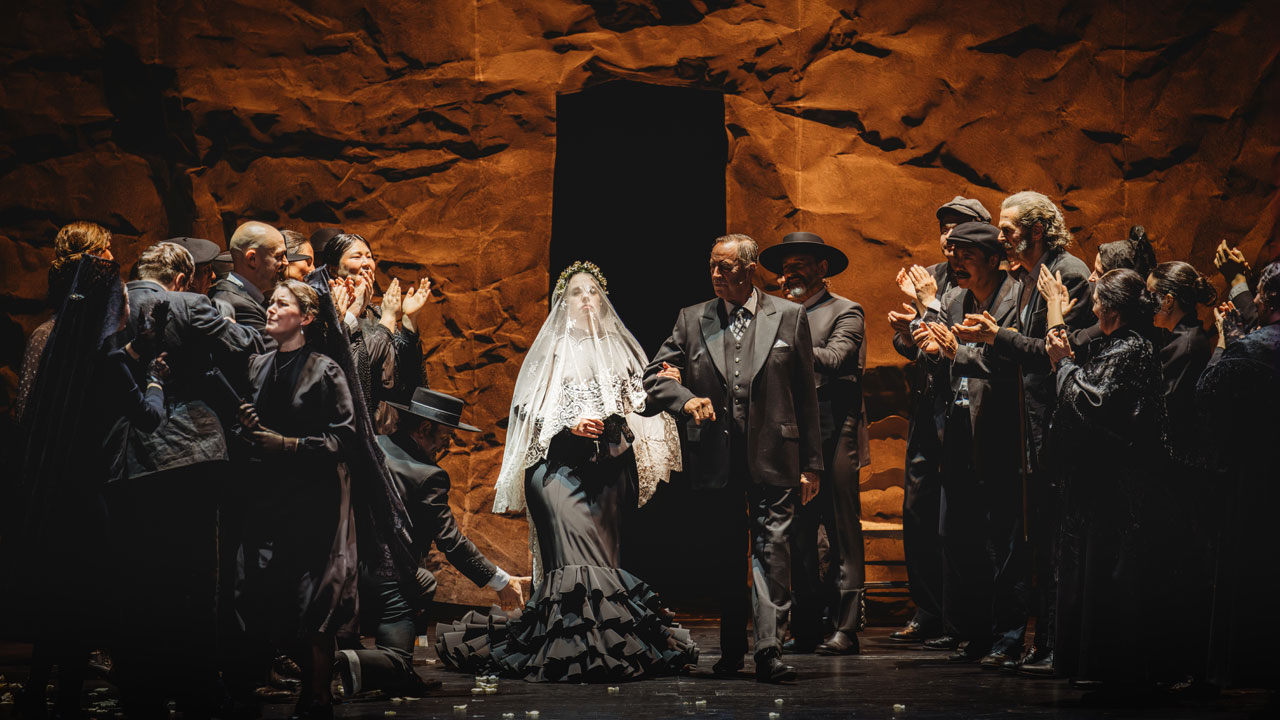
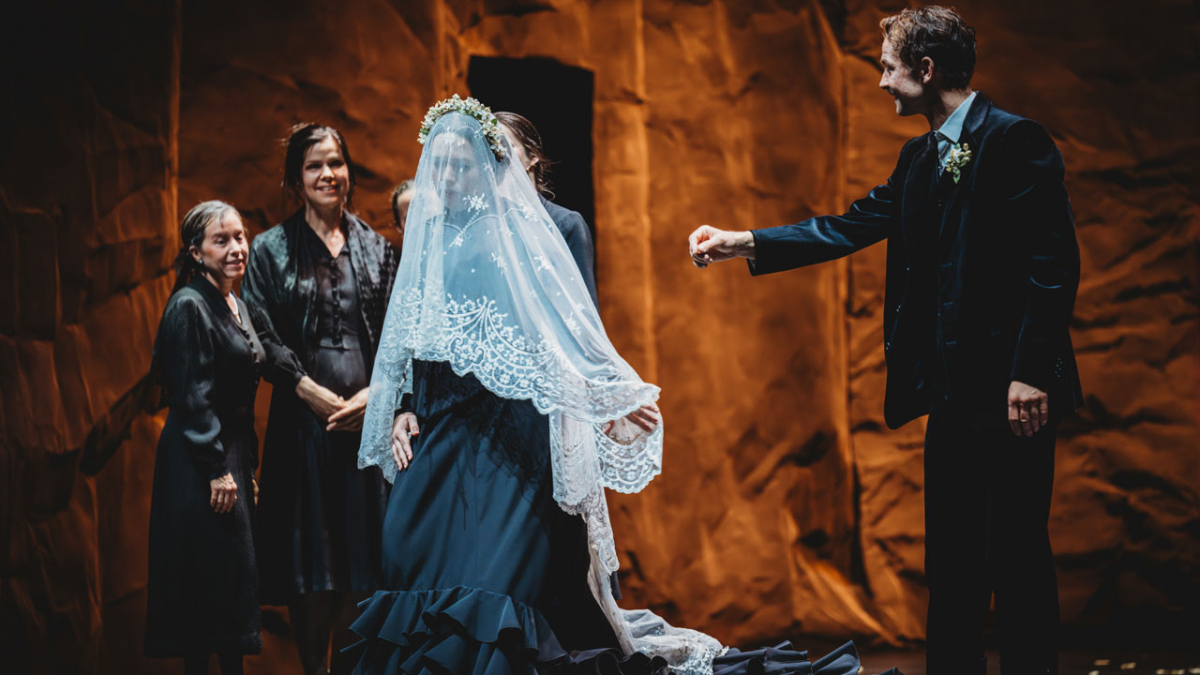
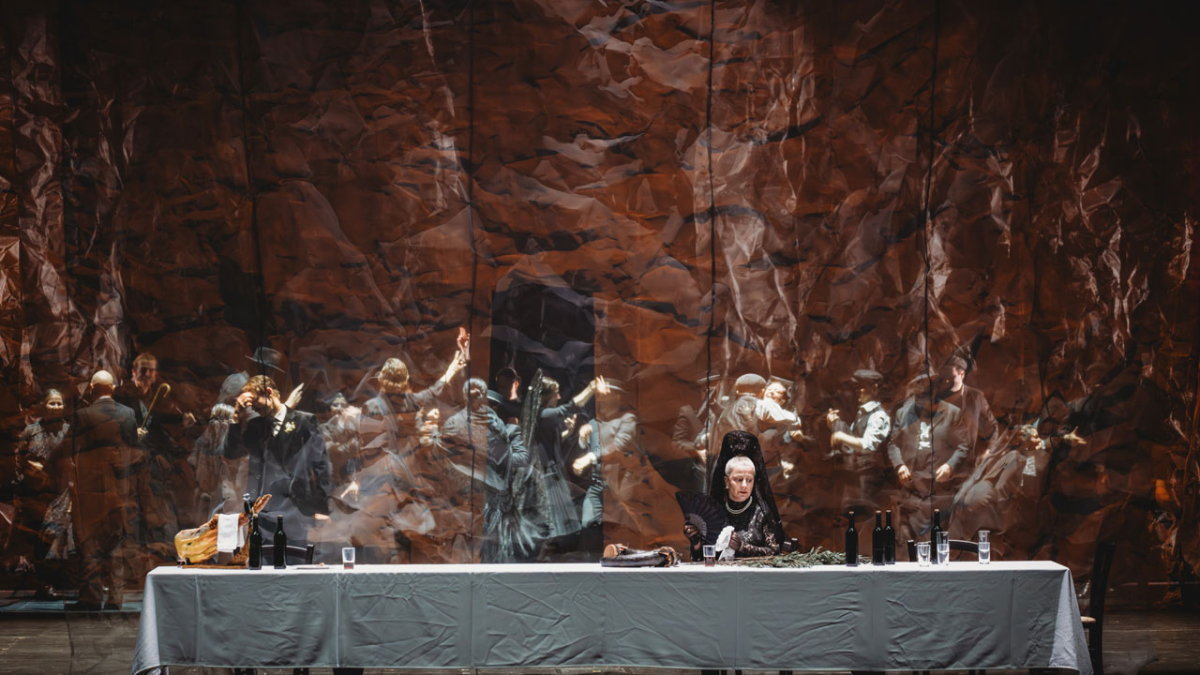
A maid’s dressing her mistress on the wedding morning. Despite the bride’s reluctance, she puts the garland on her head. The first guest’s Leonardo. He reminds the bride about their engagement, accusing her of rejecting him because of his modest means. The other guests have arrived. The bridegroom comes with his mother. Leonardo and his wife wish them well. The bride wants to go to the church at once.
Act
Outside the bride's home.
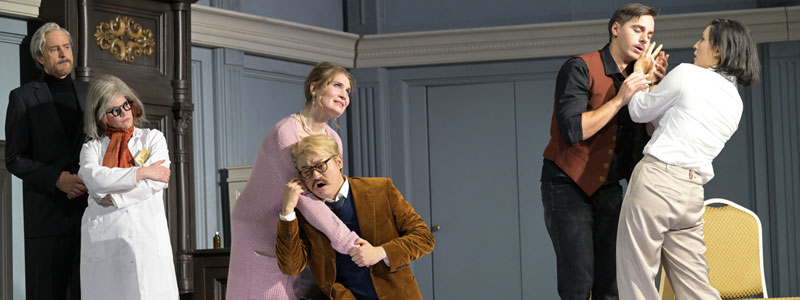
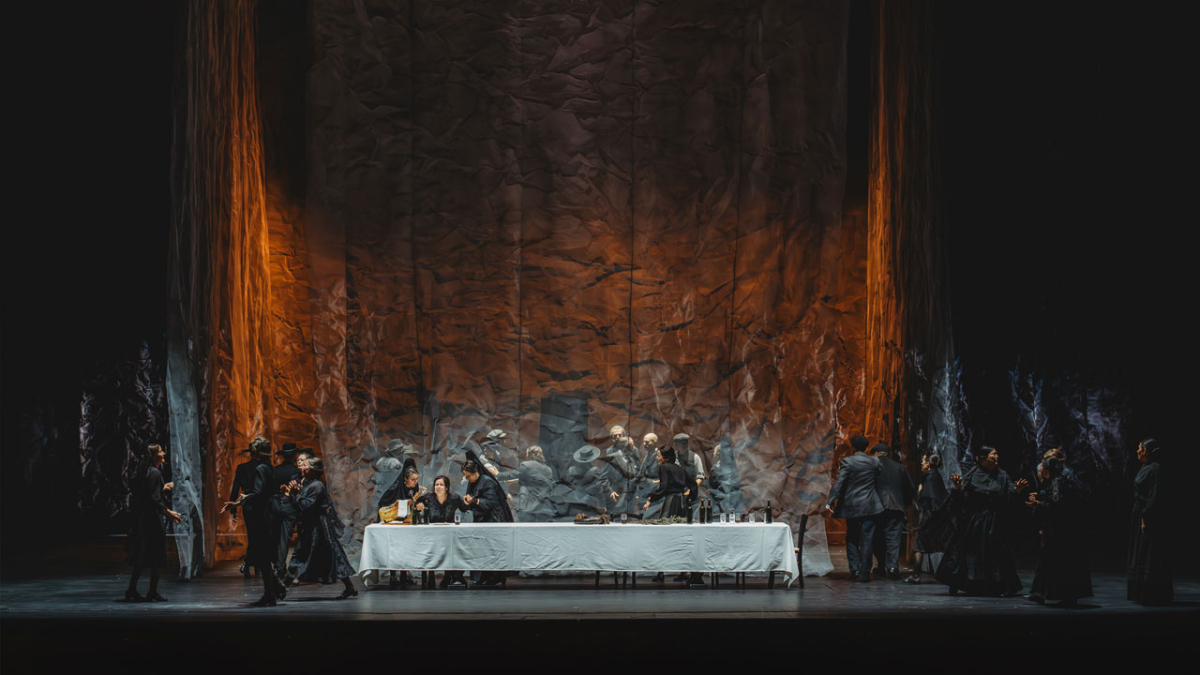
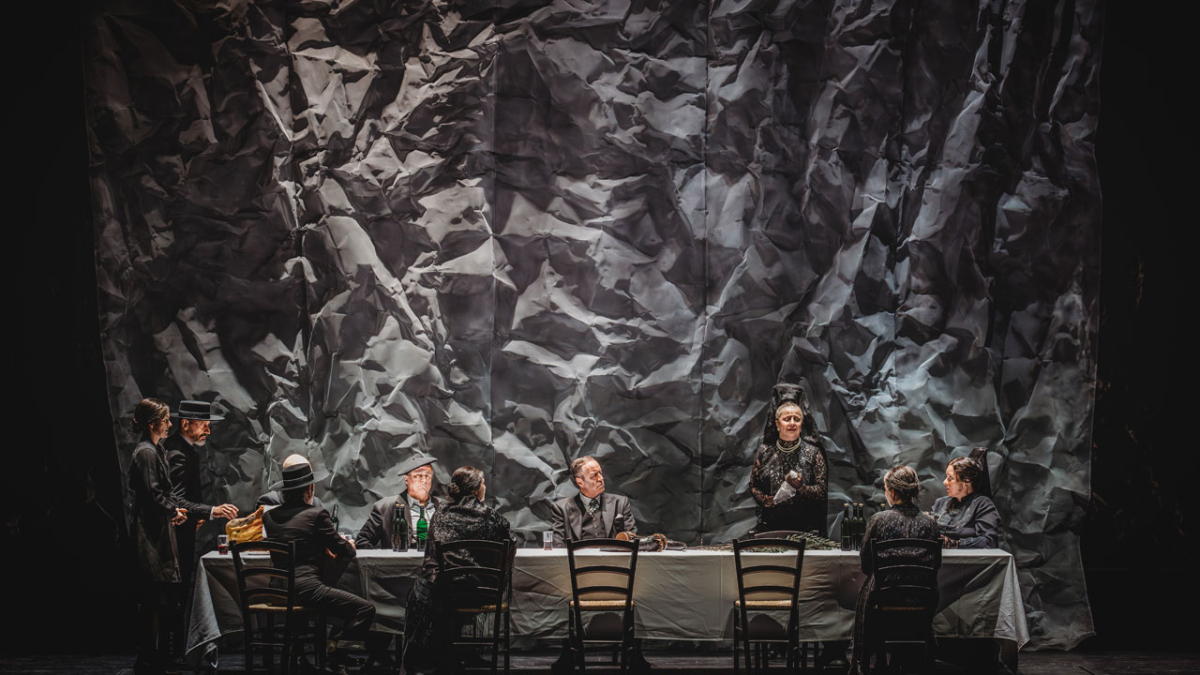
The bridegroom’s mother and bride’s father got back from church first. The mother’s beside herself after seeing members of the family who murdered her husband and son. The bride’s father tries to console her with the prospect of grandchildren. The guests have arrived. Leonardo’s wife’s looking for her husband. The bride goes inside, saying she needs a little rest. The guests call for the bridal couple to lead a dance, but the bride’s nowhere to be found. Leonardo’s wife, distraught, says her husband’s run away with her on his horse. The bridegroom and his friends set off after them.
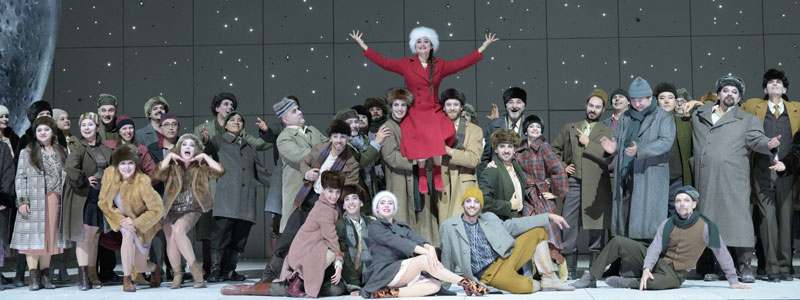
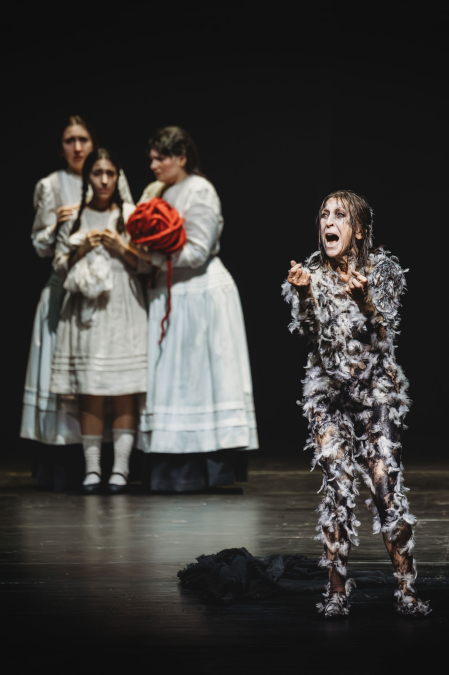
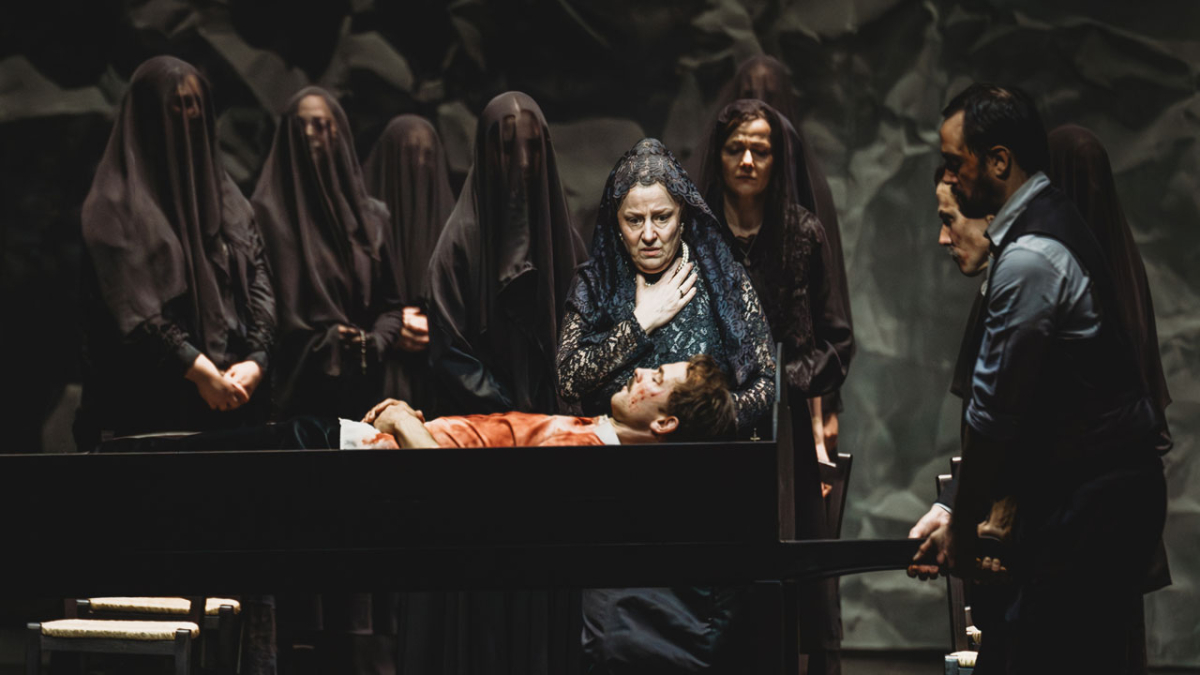
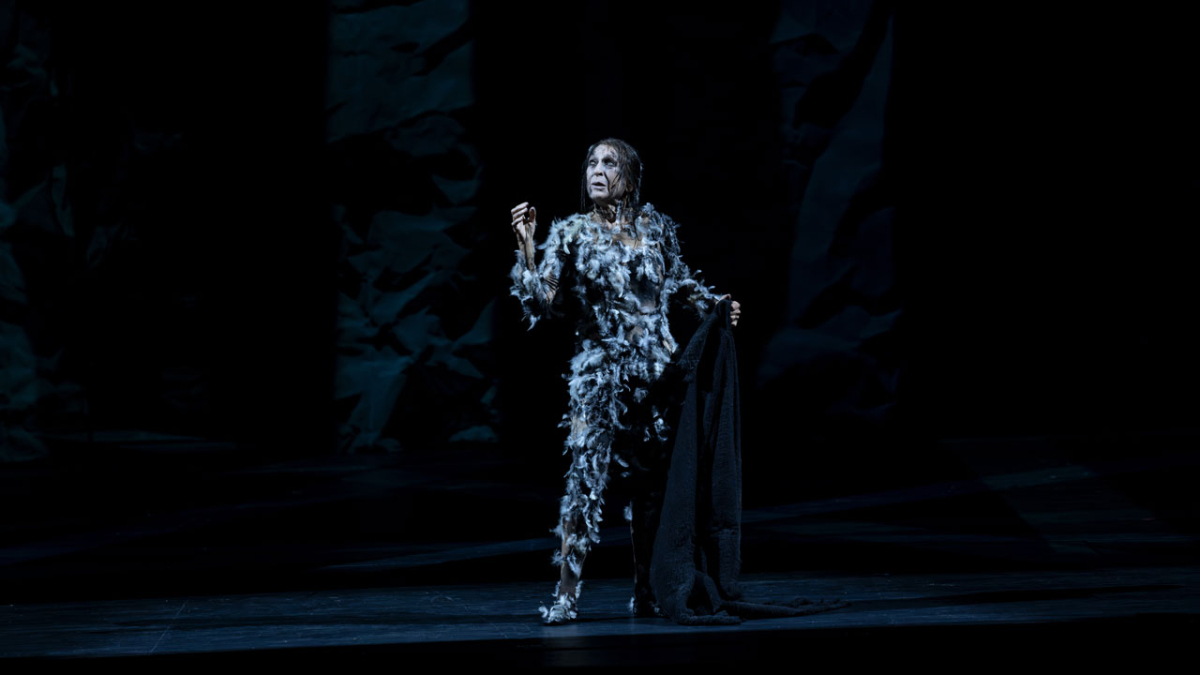
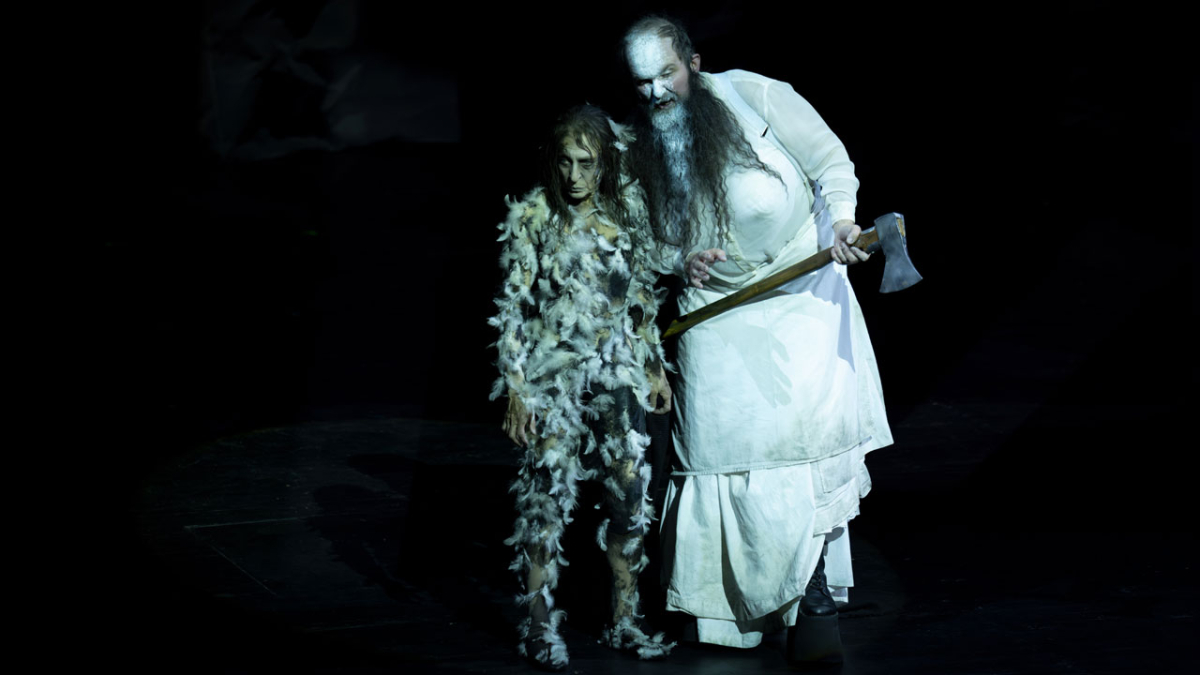
The woods, at night. Woodcutters discuss the consequences of the interrupted wedding. The moon appears as a woodcutter too, he’s pale, lighting the way for the fugitives and their pursuers. Death, an old beggarwoman, leads the bridegroom to the runaways. The bride begs Leonardo to flee without her, to save his life, but he stays with her. The posse catches up with them. Screams are heard in the distance: Leonardo and the bridegroom have stabbed each other.
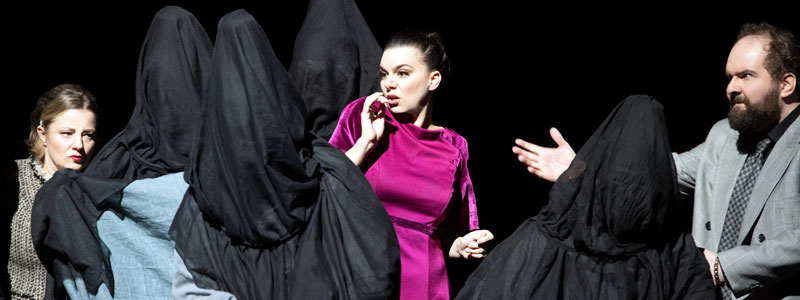
Morning, in the village. Two girls and a child are waiting for the wedding guests to return. Leonardo’s wife has no idea what happened during the night. Her mother-in-law fears the worst. The beggarwoman tells the girls that both men were killed, and the bride’s coming home. The mother arrives, followed by the bride. The mother strikes the bride in fury for being an adulteress. The bride protests her innocence and begs her to kill her, but the mother turns her back, bemoaning a knife which took two men’s lives.
Two families have been at war for generations. But there are only losers. Everywhere.
The inspiration for Fortner’s opera is like a Greek tragedy. The Spanish poet Garcia Lorca took up an all too familiar tale for his play Blood Wedding, which was first performed in 1933. His vitriol aimed at the uncompromising nature of blood feuds: a bridegroom’s mother lost her husband and oldest son in fights between the two clans and now fears for her youngest son’s life. She’s worried his wedding will reignite the war ...
When 50 year-old Wolfgang Fortner finished Blood Wedding, his first opera, in 1957 he was already an admired composer throughout Europe. While composing off-stage music for the first performances of the play in Berlin (1950) he became fascinated by Lorca’s world. He was true to the original texts in his opera, built long spoken passages into the score, using vocal lines as an intensive, dramatic elevated form of speech. Fortner linked the seven scenes in the opera using orchestral interludes, with restrained use of motifs from Spanish folklore. His music, it’s true, is twelve-tone, but it moves in different directions and between sound worlds, without seeming imitative. His setting to music of Lorca makes for fascinating music theatre which sucks you in: A powerful petition for freedom and love.