The Greek Passion
Bohuslav Martinů 1890–1959
Opera in 4 acts
Libretto by the composer after Nikos Kazantzakis.
First performance of the 2nd edition: June 9th 1961, Stadttheater, Zurich
Sung in English with German & English surtitles
An introductory talk takes place in the Holzfoyer 30 mins before curtain up, and will appear here, and everywhere podcasts can be found, shortly after opening night
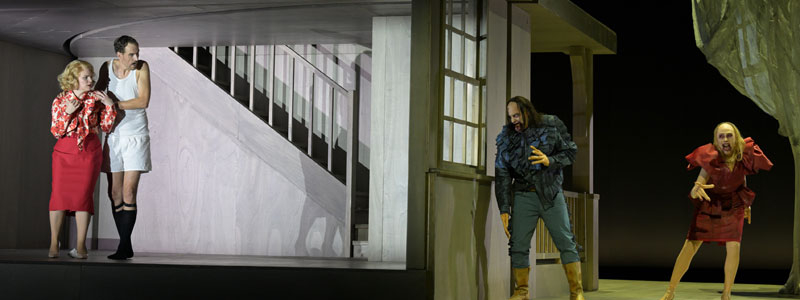
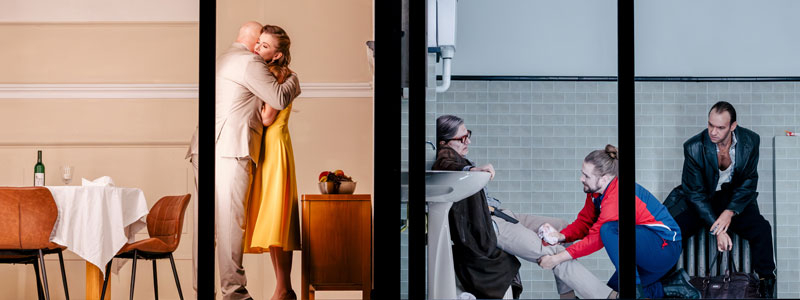
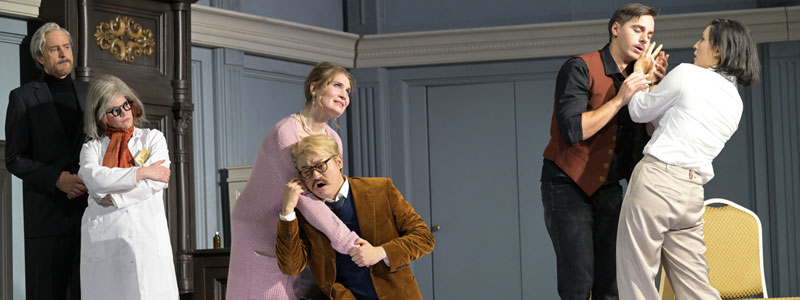
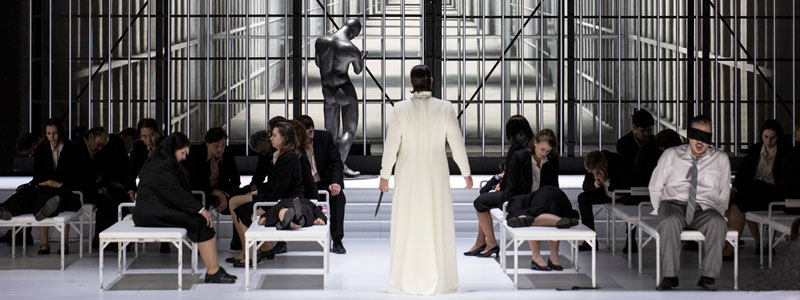
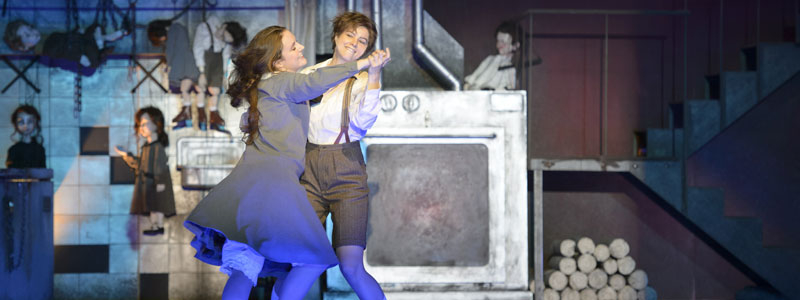
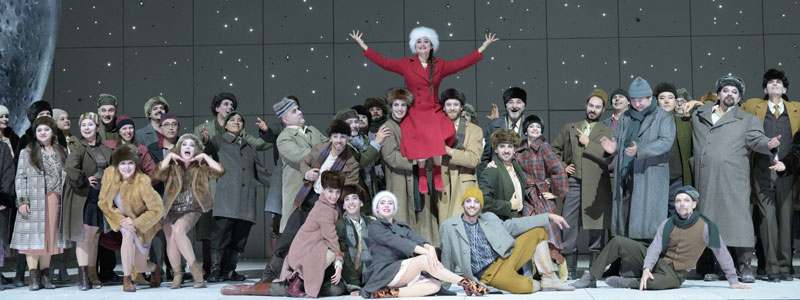
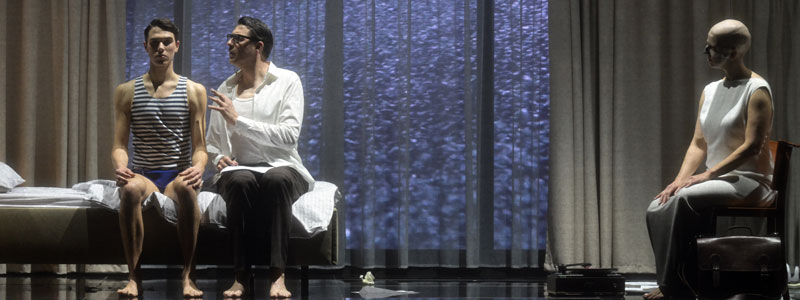
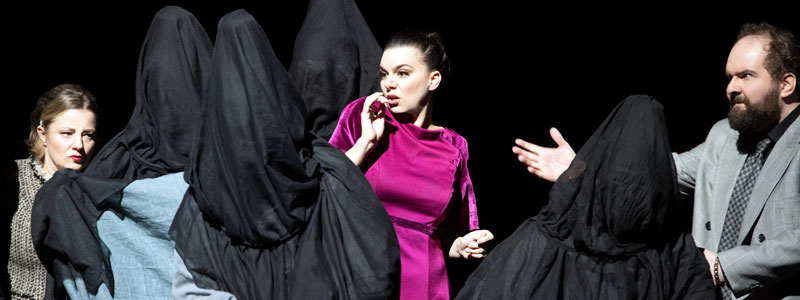
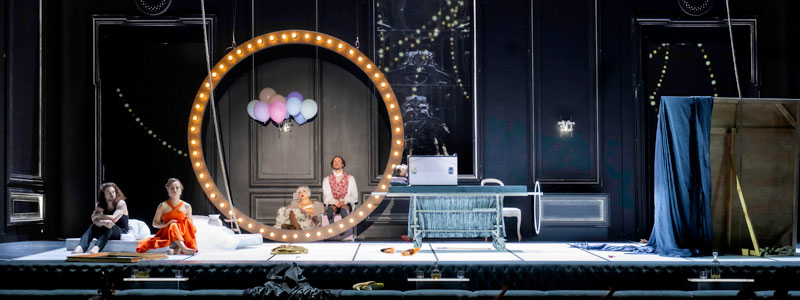
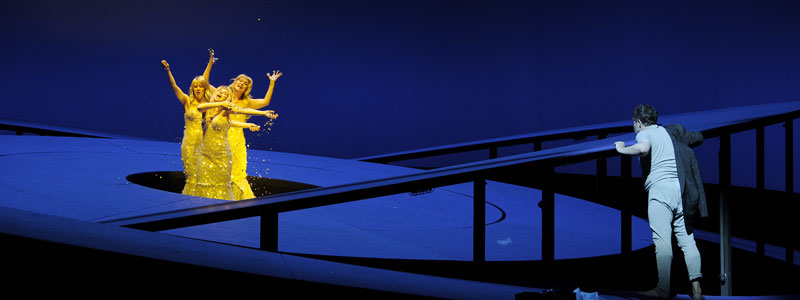
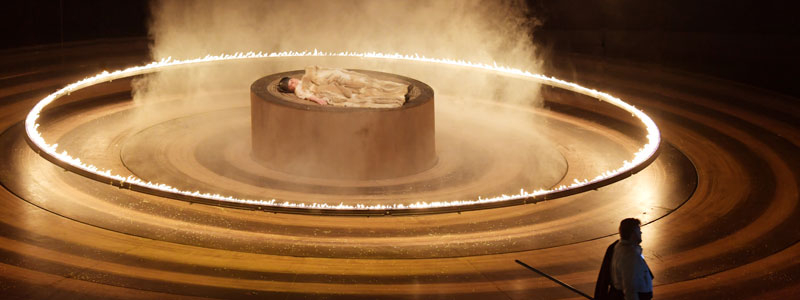
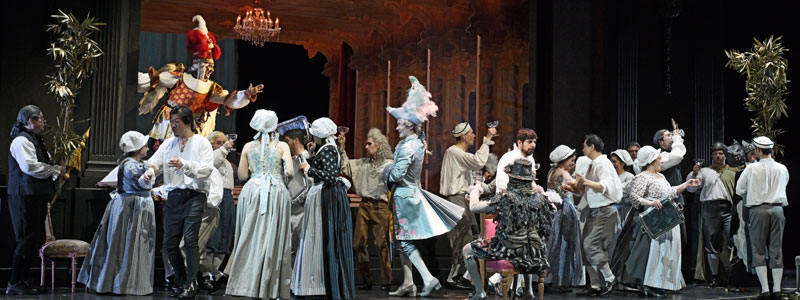
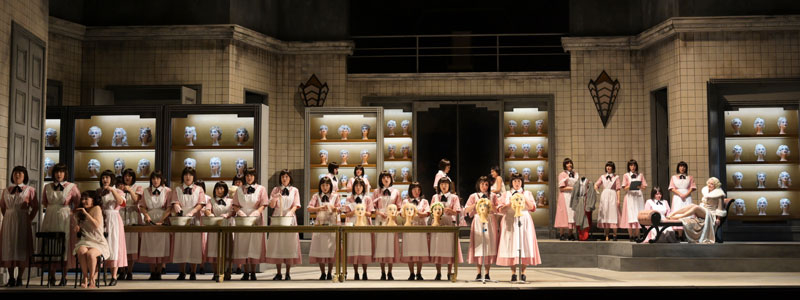
Eastertide in the Greek village of Lycovrissi: father Grigoris announces who’s playing who in their passion play. The most difficult lot falls to Manolios, a shepherd, who’s to play Jesus. Father Grigoris urges them all to live exemplary lives to be worthy of playing their biblical characters, but when a group of refugees arrive the man of God’s humanitarian facade crumbles: While Manolios offers the asylum seekers a piece of land, Grigoris, of all people, rails against the new arrivals. Manolios goes to extremes: by putting an end to his engagement to Lenio and erotic feelings for Katerina, who’s to play Mary Magdalen, and telling the villagers to help when the refugees are starving. With success: increasing numbers of them do, until Father Grigoris intervenes, excommunicating Manolios, who’s killed by Panais, playing Judas.
Bohuslav Martinů’s last largescale work for the stage is based on Nikos Kazantzaki’s novel Christ Recrucified, in which the Greek author dealt with his experiences during the Greco-Turkish war (1919-1922) and Greek civil war (1946-1949): which made him realise that unjust systems can only be overthrown with violence. Martinů avoided making explicit political statements in his opera. His music creates a true to life yet mystical atmosphere, which constantly comes back to the key question: how is solidarity possible in a selfish world?