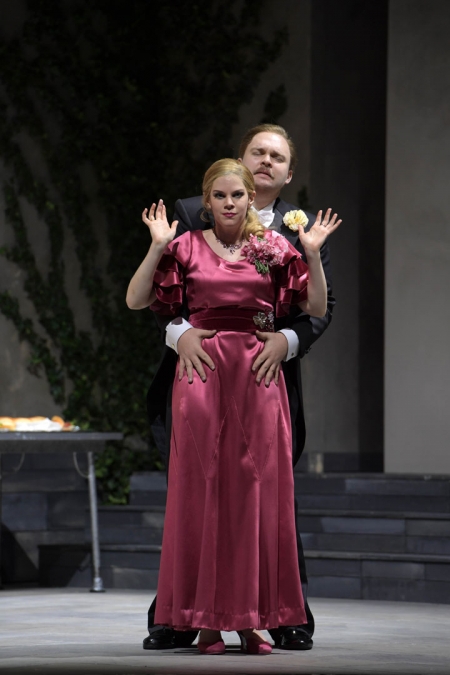
The Merry Widow
Franz Lehár 1870-1948
Operetta in three acts
Libretto by Victor Léon & Leo Stein
World premiere: December 28 1905, Teater an der Wien
1st performance of this production May 13 2018
With German and some English surtitles. ca. 2hrs 30mins, including one interval
Introduction, in German, in the Holzfoyer half and hour before performances begin
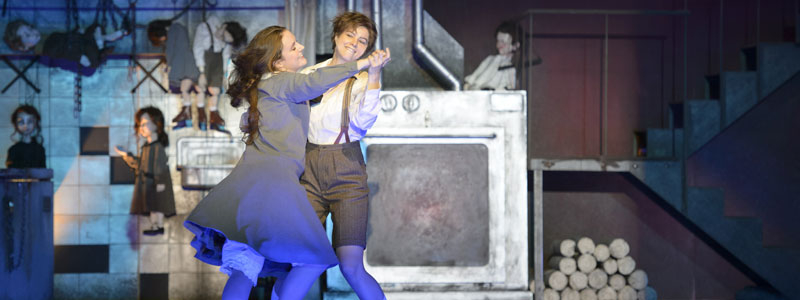
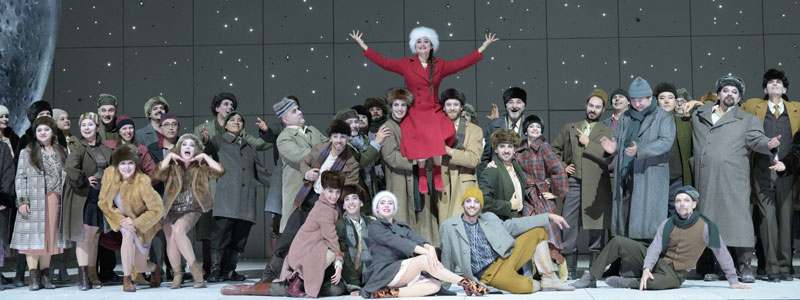
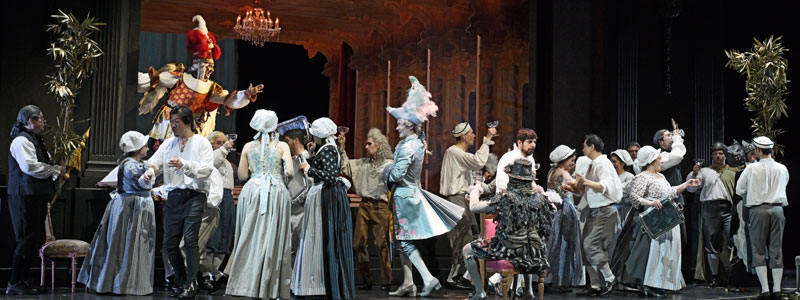
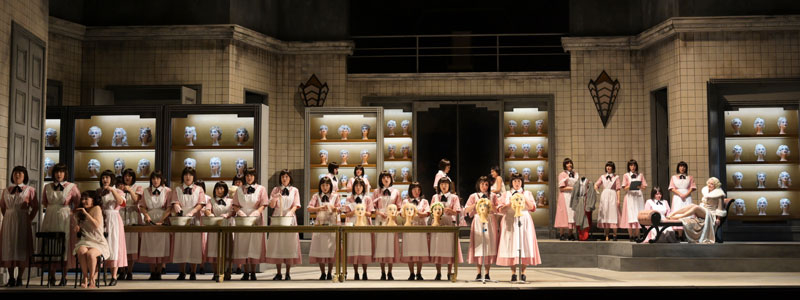
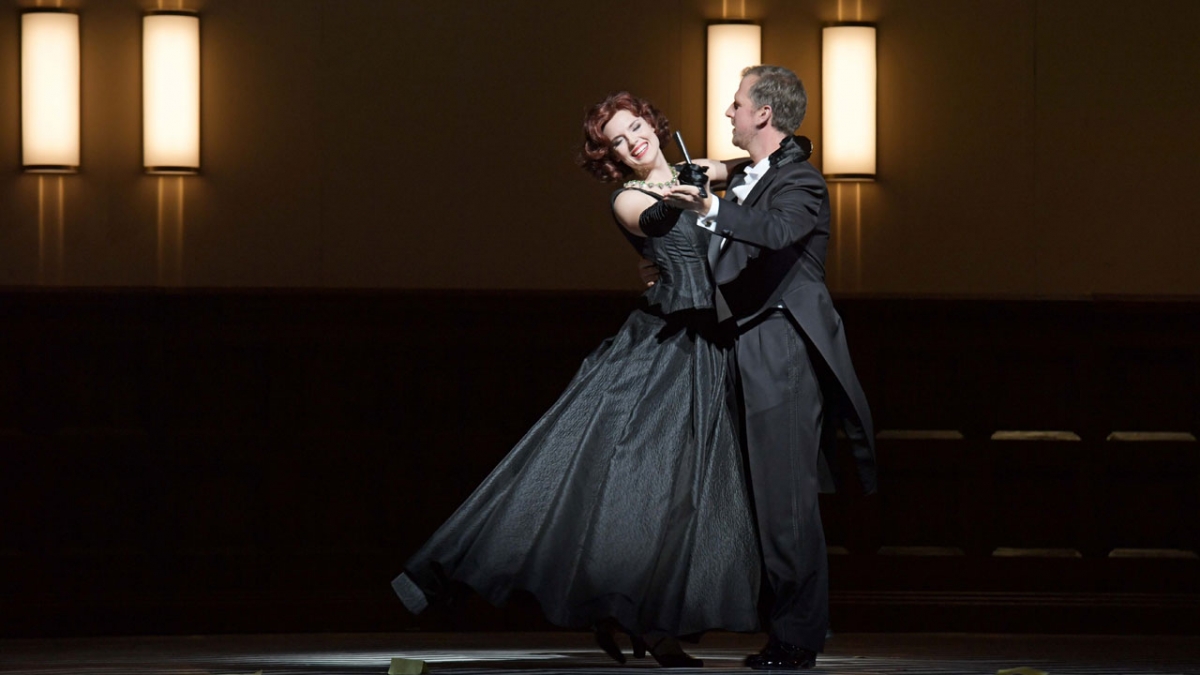
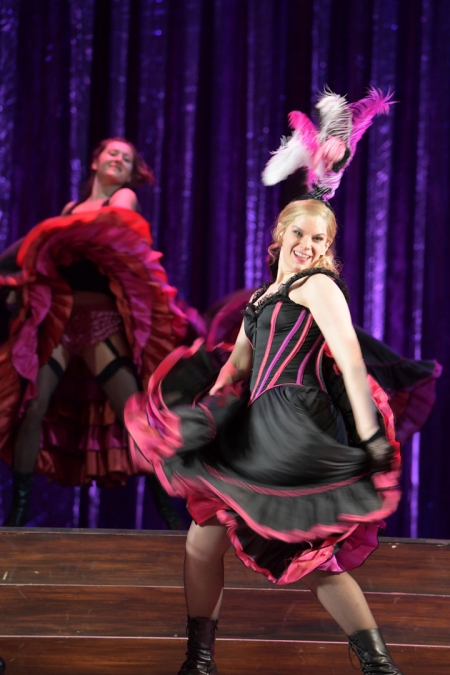
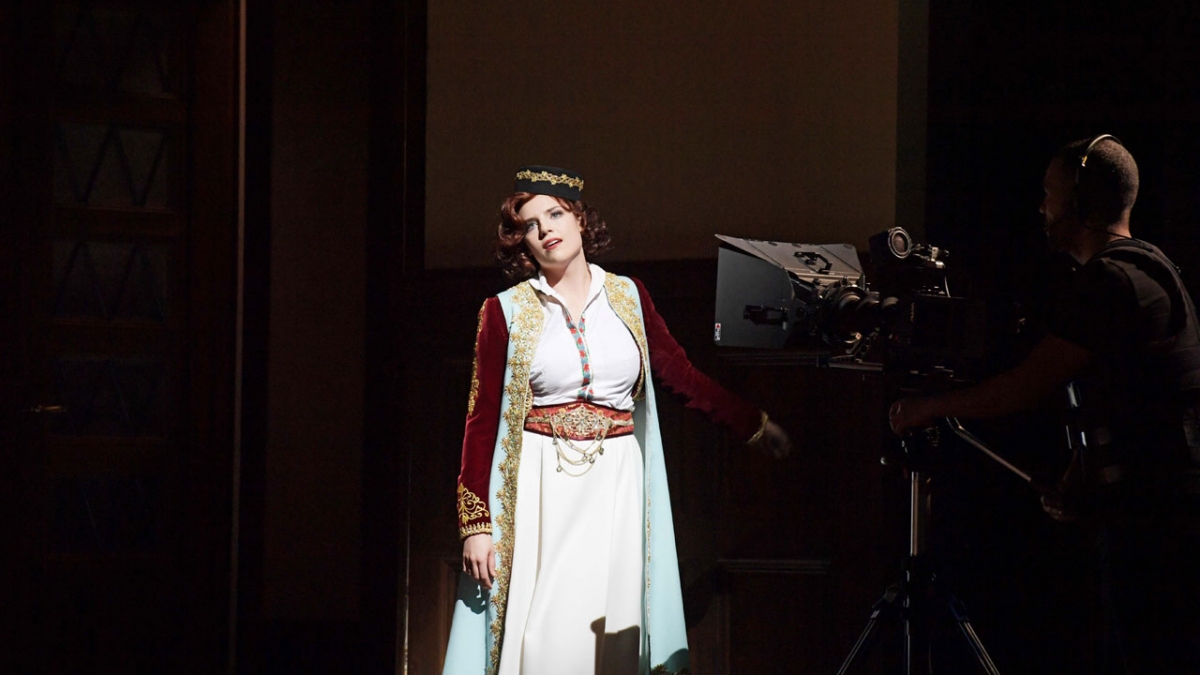
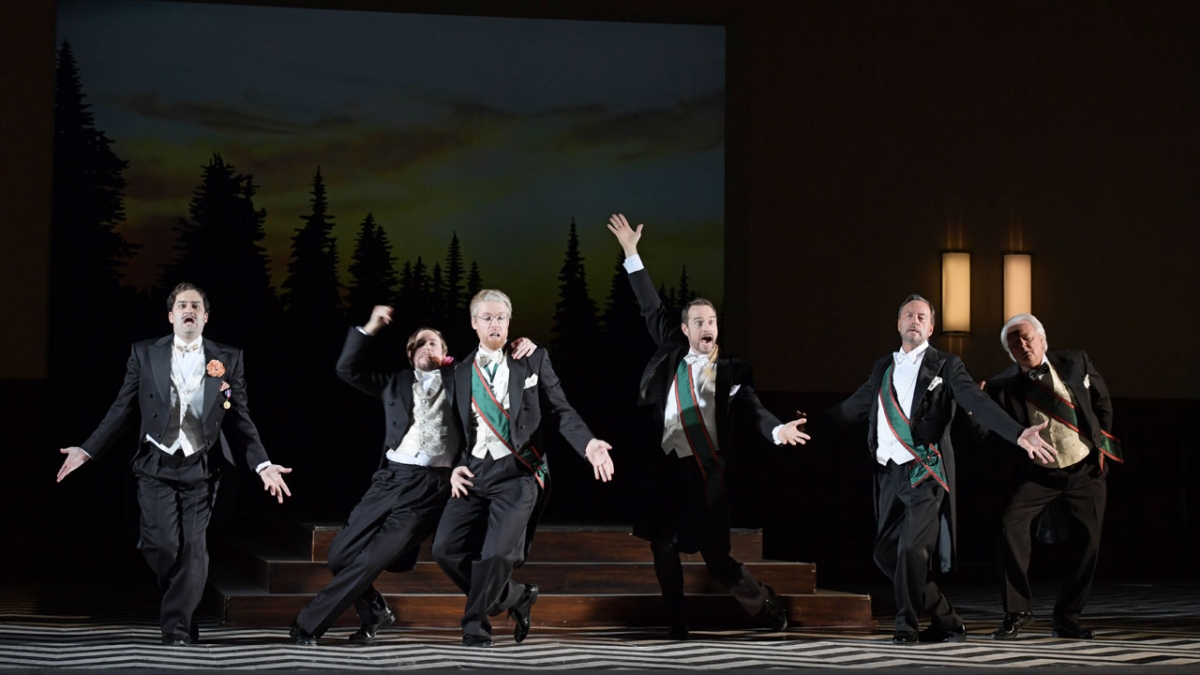
Act 1 Graf Danilo Danilowitsch and a tenant farmer's daughter Hanna were once a couple, in their homeland in the Balkans. Differences in their social standing caused problems – a rich uncle threatened him with disinheritance – and Danilo walked out on Hanna. They meet again: at a ball in the Pontevedrinian Embassy in Paris. Danilo now works as an attaché there and has found a home from home in Maxim's, a bar where the Grisettes dance. Hanna married the court banker Glawari, who died shortly afterwards, making her a very wealthy widow. The Ambassador, Mirko Zeta, is desperate to ensure that Hanna's fortune stays in his country, to prevent Pontevedro from being declared bankrupt. He orders Danilo to ensnare the millionairess. Danilo promises to get rid of the other marriage candidates: but refuses to ask for her hand in marriage himself. In the meantime Valencienne, Baron Zeta's wife, is being courted by Camille de Rosillon. She is clearly enamoured, but rejects his advances. Act 2 Hanna Glawari is throwing a party with a very Pontevedrinian flavour. She sings a song about the wood nymph Vilja. Rosillon continues pursuing Valencienne. They retire for a rendezvous in a pavilion, which Zeta has nominated as the meeting place for fellow diplomats to discuss their country's threatening bankruptcy. When the Baron finds the door to the pavilion locked he looks through the keyhole, and sees his wife and Camille. Njegus, the embassy's clerk, manages to smuggle Hanna into the pavilion through a back door, swapping places with Valencienne. Hanna uses this opportunity to drive Danilo crazy by announcing her, supposed, engagement to Camille. Act 3 To round off the evening Hanna, helped by Njegus, who organised everything, surprises Danilo with a performance by the Grisettes from Maxim's, during which Valencienne displays previously unknown talents. Hanna and Danilo waltz; music replacing their words. When Zeta realises that it really was his wife that he surprised in the pavilion with Camille, he demands an immediate divorce. He proposes to Hanna. She informs him that she will lose her fortune if she marries again. Now that no one can accuse him of only being after her money, Danilo professes his love for her. Hanna then reveals that she really will lose her millions, but only because they become her new husband's property. Valencienne persuades the Baron that she is innocent, by showing him the inscription in the fan she gave Camille: „I am a respectable woman.“
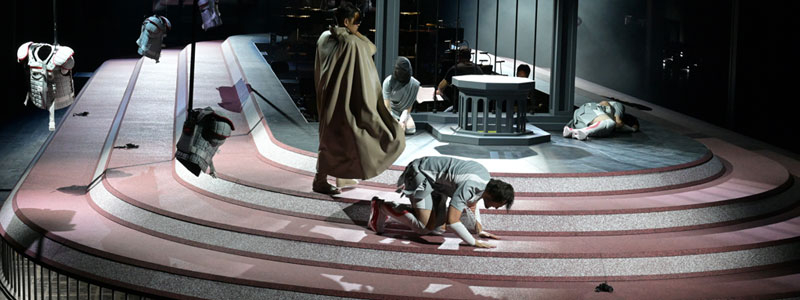
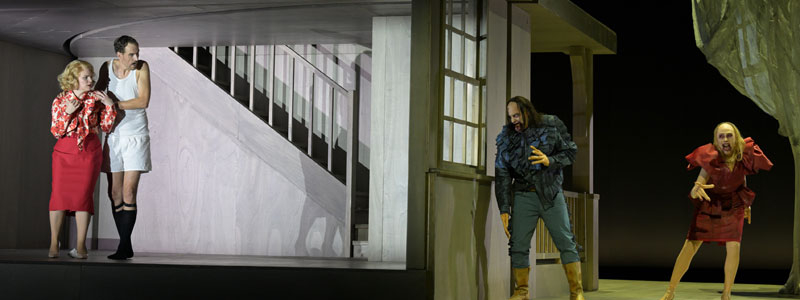
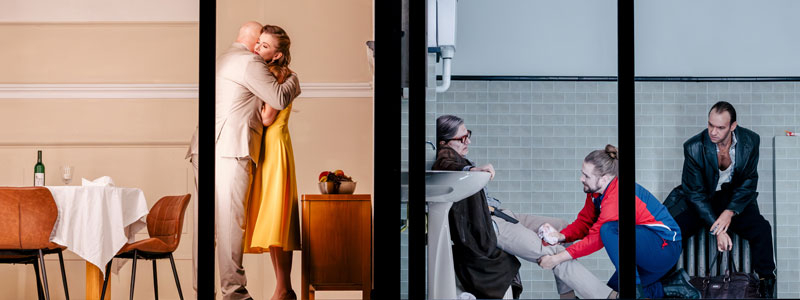
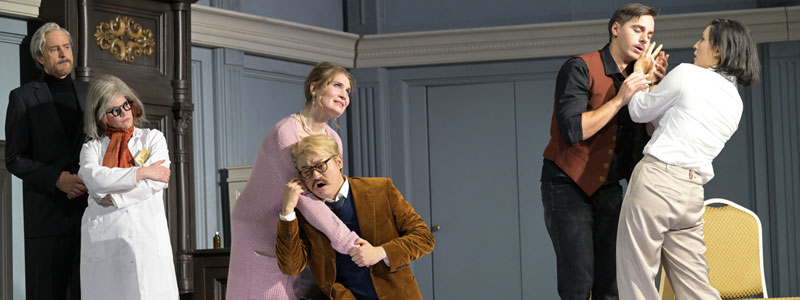
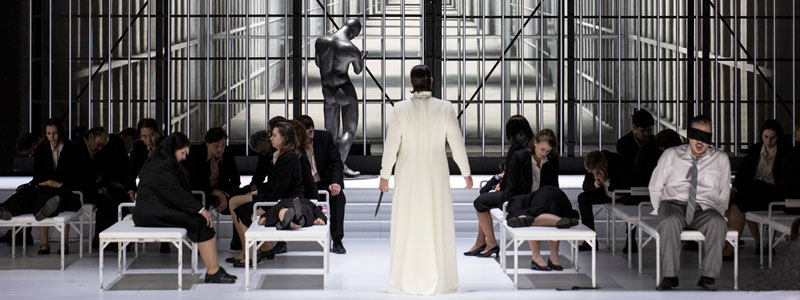
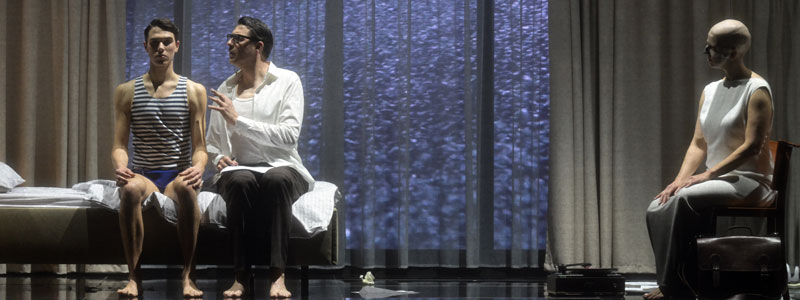
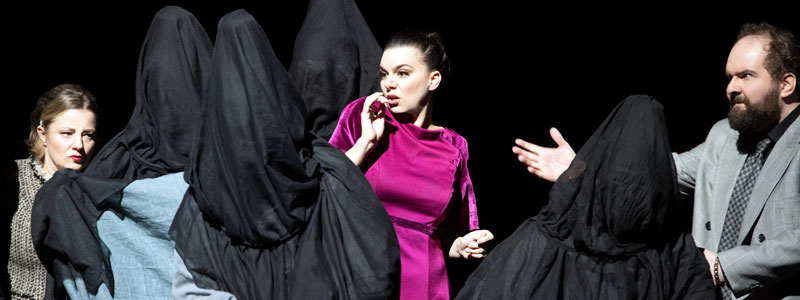
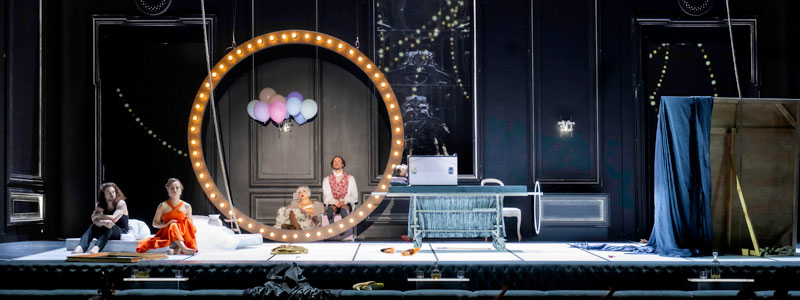
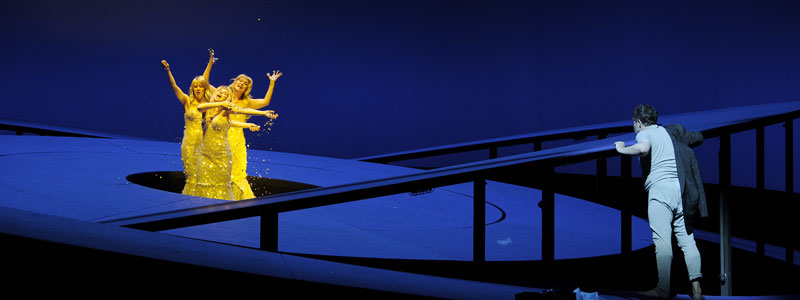
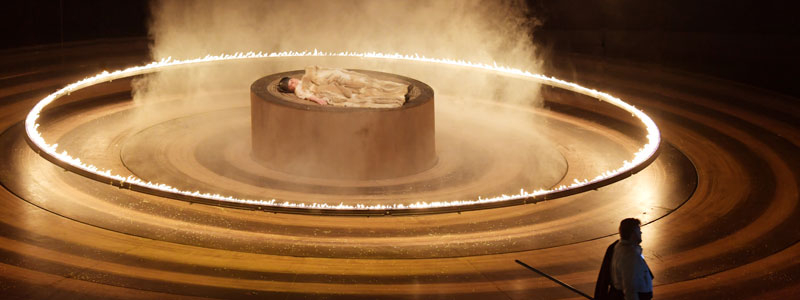
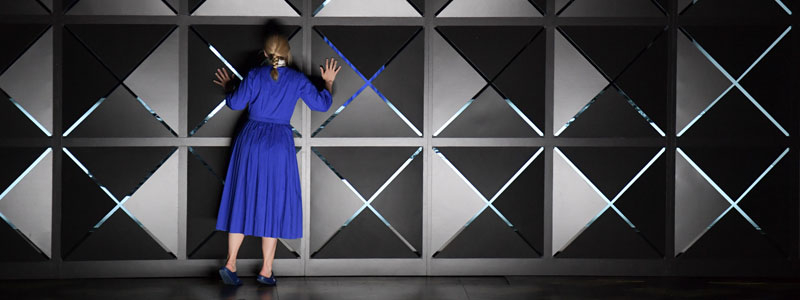
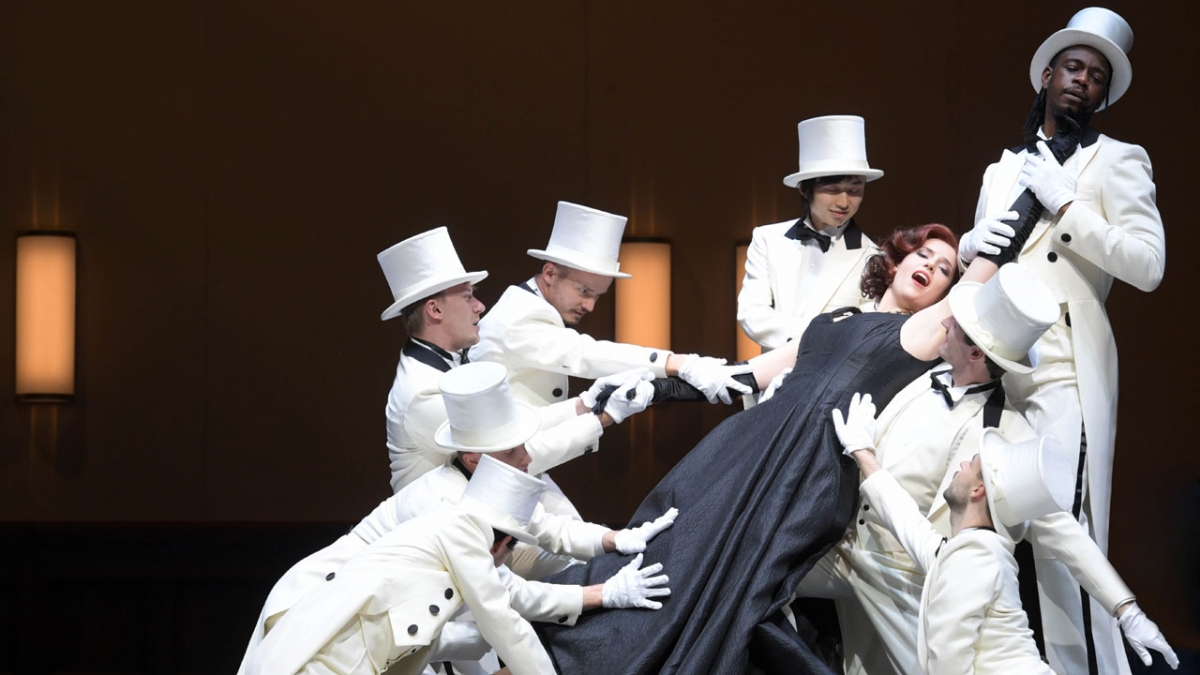
Lustige Witwe's global success came as a total surprise for its creator Franz Lehár after it was performed for the first time in Vienna in 1905. In those days operetta, which first emerged 50 years earlier, in Paris, was declared dead. But things long believed dead often live longer, and so the genre took off again, now known as the so called »silver epoch«. The mixture of enchanting music, amusing dialogue, emotions that must be taken seriously and many dance numbers make it irresistable. The emotional states of the characters express themselves honestly in dance, culminating in the »Lippen Schweigen« waltz. Two people, who were a couple many years ago but were prevented from marrying because of their standings in society: the tenant farmer's daughter Hanna and Graf Danilo. Vanities, old wounds and gaps in their life stories prevent them from being reunited when they next meet – but they do, in the end. Claus Guth lets the turbulent action shimmer, ambiguously, as a play within a play. Dance, and Lehár's score, with one highlight after the other, reign supreme.