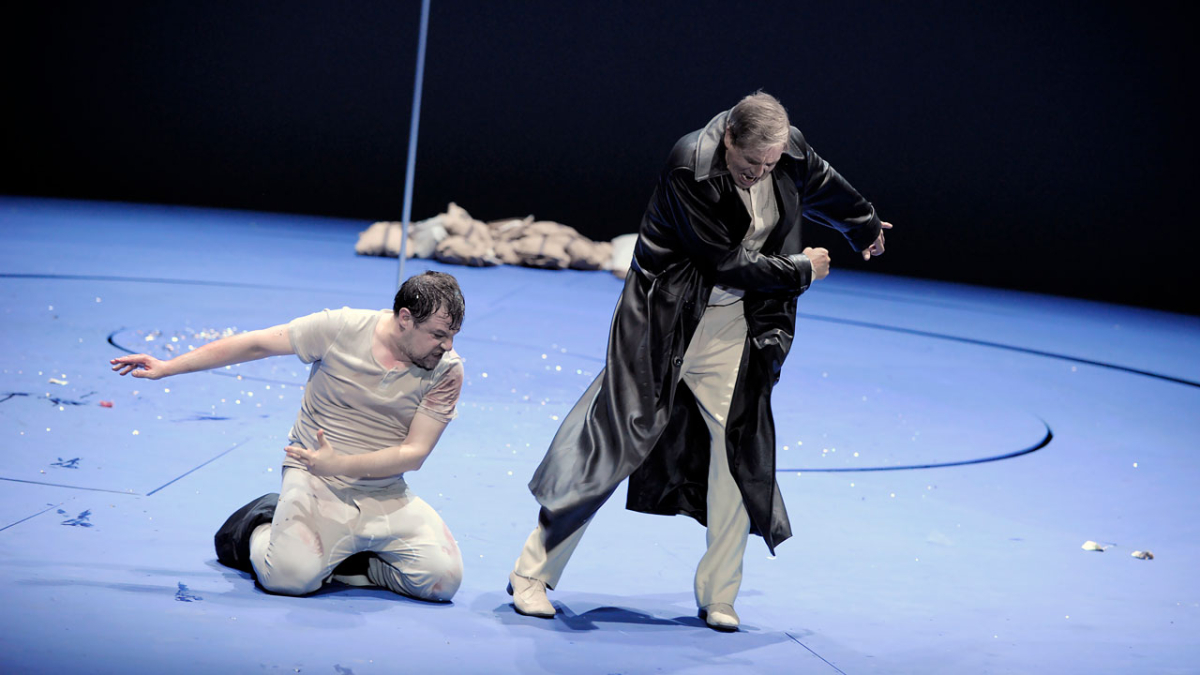
Das Rheingold
Richard Wagner 1813–1883
Libretto by the composer
World premiere September 22nd 1869, Royal Court & National Theatre Munich
First performed as part of the Ring des Nibelungen August 13th 1876, Bayreuth
This production first seen May 2 2010
Sung in German with German & English surtitles
an introductory talk starts in the Holzfoyer 30 mins before performances begin, is available here and everywhere podcasts can be found
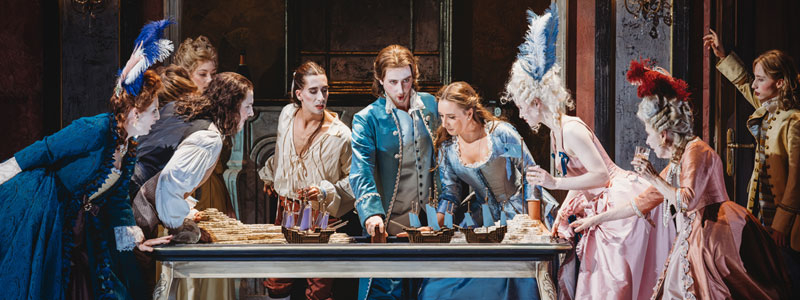
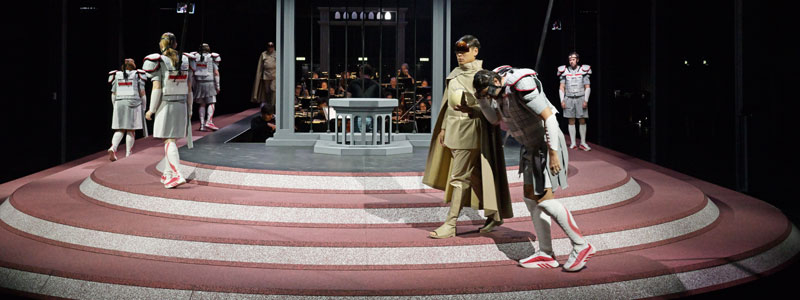
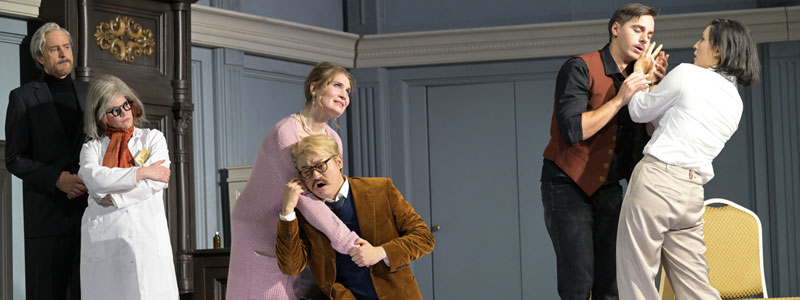
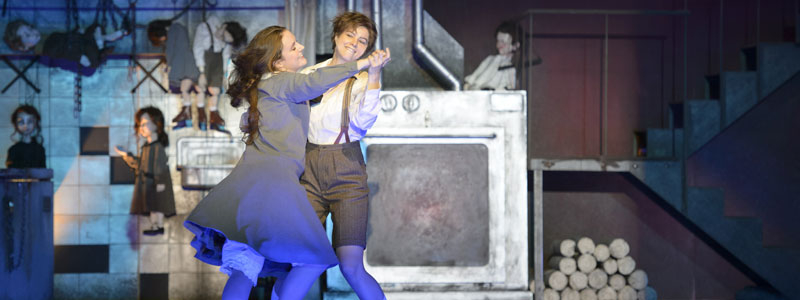
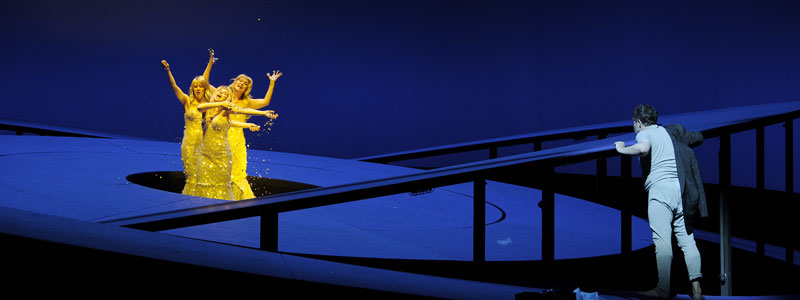
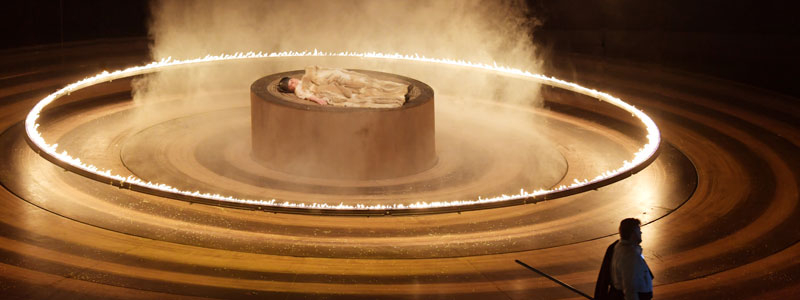
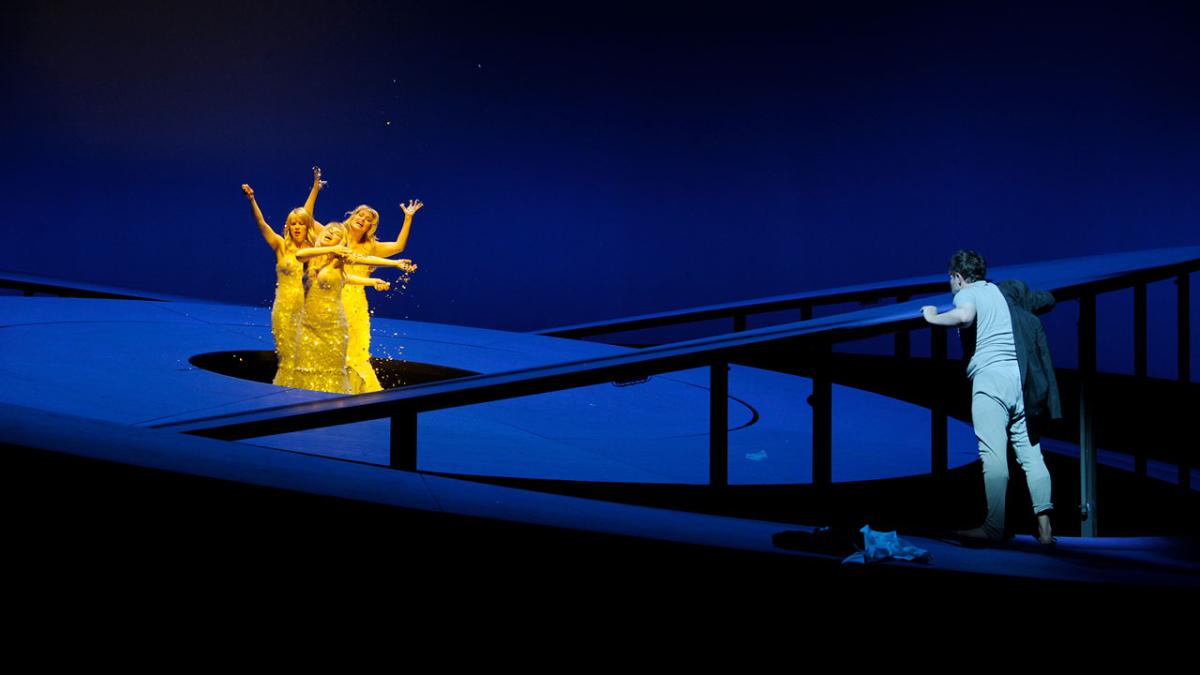
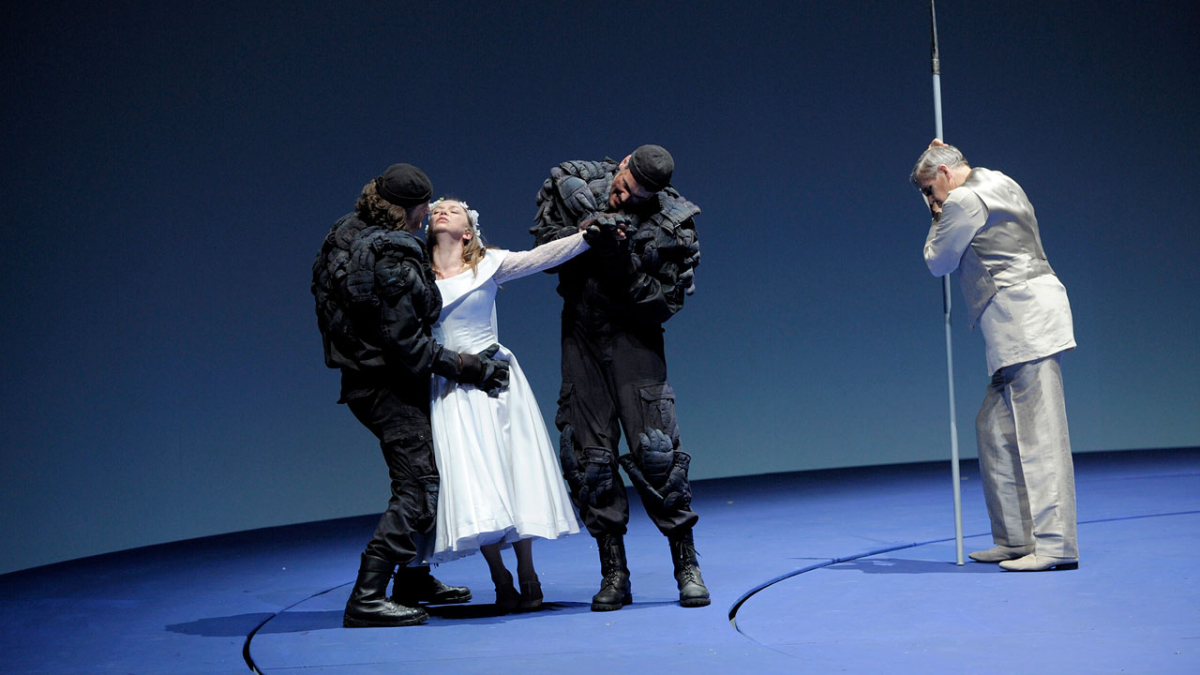
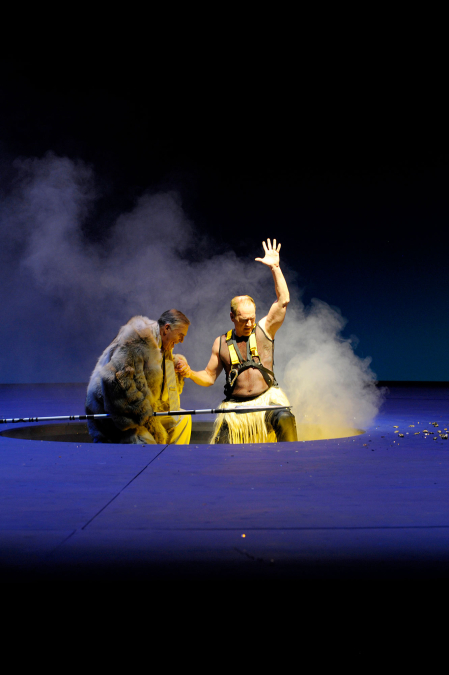
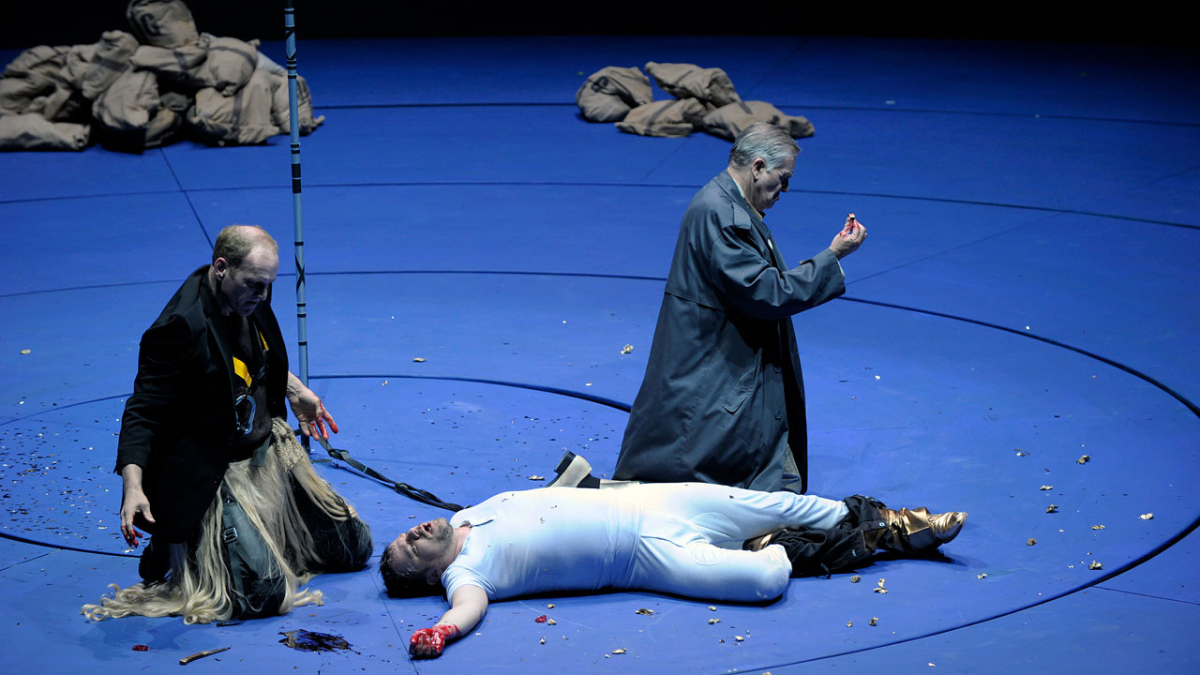
The Rhinemaidens frolic, Alberich closes in. They flirt with him, rebuff him, infuriating him. The sun shines on the gold in the river. The maidens expain it's magical powers: he who's willing to renounce love could forge a ring from it which would bestow limitless power. Alberich curses love and steals the gold. Wotan sees that the gods' castle has been finished. Fricka's anxious because Wotan sold her sister Freia to the giants Fasolt and Fafner in return for building it. Wotan says Loge is supposed to be finding a way out of the contract he advised him to enter into. The giants demand payment. Wotan denies he was serious about the contract. Fasolt reminds him that his power is only founded upon contracts. Peace is in jeopardy if Wotan won't honour them. Fasolt wants to marry Freia. Fafner knows if the gods lose her they'll be robbed of eternal youth. Loge reappears. While searching for a replacement for Freia he realised that there's nothing of greater worth than »a woman's beauty and love«. Only one man has renounced it: Alberich. Loge passes on to Wotan the Rhinemaiden's plea for help in returning the gold to the Rhine. When Loge explains its magical powers, everyone wants to own it. The giants agree to accept it in return for Freia, keeping her hostage until they do. The gods begin to age. Wotan and Loge go to Niebelheim to steal the gold. Alberich rules over the Nibelungs after forging the ring and forced his brother Mime to make a magic helmet, with which Alberich can make himself invisible. Loge taunts Alberich into proving the helmet's magical powers. Wotan grabs him when he turns himself into a toad. They steal the helmet, tie him up and drag him away. Wotan snatches the ring and lets him go. Alberich curses them: possession of the Ring results in death. Wotan doesn't take this seriously. The giants insist that the gold be piled up until it covers Freia's shape. When Fasolt sees one of her eyes he demands the ring to cover it up. Wotan intends to keep it. Fasolt prepares to leave with Freia. Erda warns Wotan about the dangers the ring brings with it and prophesies the gods' downfall. Wotan gives them the ring. Freia is saved. The giants argue. Loge tells Fasolt to just take the ring. Fafner kills his brother: the curse has found its first victim. Donner summons a thunder storm. Froh points out a rainbow which will lead them to the castle, which Wotan names Valhalla. The Rhinemaidens mourn the lost gold.
It opens with a deep E flat in the orchestra. A triad slowly emerges from this seemingly motionless sound. Almost imperceptibly movements and rhythms emerge, the sound thickening and swelling to a mighty crescendo until it pours into the inhabited depths of the Rhine. But is this really the beginning? This world was steeped in history long before the first people sang. Time seems to overlap in Rheingold, perspectives contradict each other and truth’s pretty fragmentary. Power, guilt and responsibility seem equivocal from the start. Richard Wagner started delving into the Nibelungen myth in the late 1840s, a time of radical political change. From the idea of a necessary end of a world, it became clear this could only make sense if we knew what happened before. Das Rheingold provides the foundations of an order governed by power and contractual logic.