Ottone
Georg Friedrich Händel 1685–1759
Opera in 3 acts
Libretto by Nicola Francesco Haym after Stefano Benedetto Pallavicini
World premiere January 12 1723 King’s Theatre, Haymarket, London
Sung in Italian with German & English surtitles
Introductory talks (in German) in the Holzfoyer 30 mins before curtain up and available here, and everywhere podcasts can be found, shortly after opening night.
There's a chamber concert in the Holzfoyer on October 11th inspired by this work!
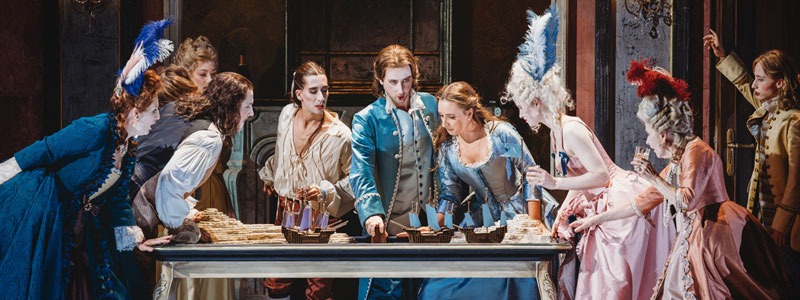
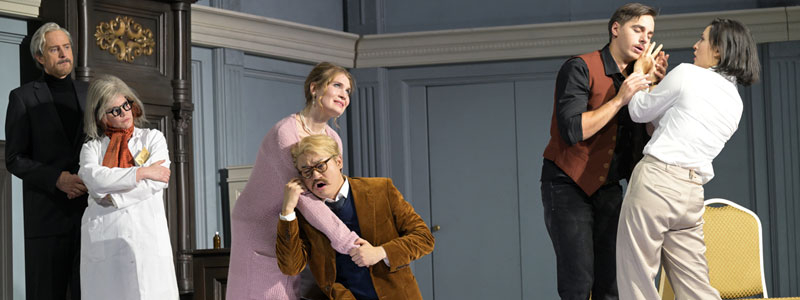
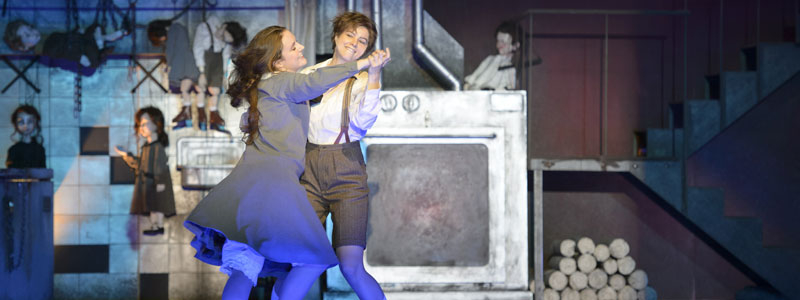
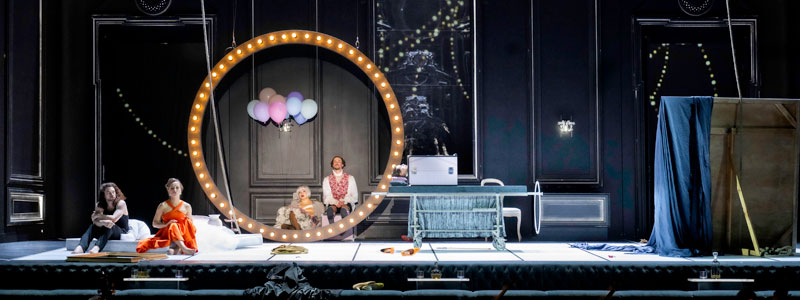
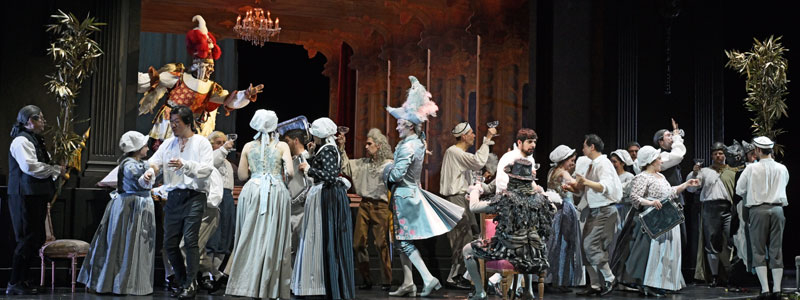
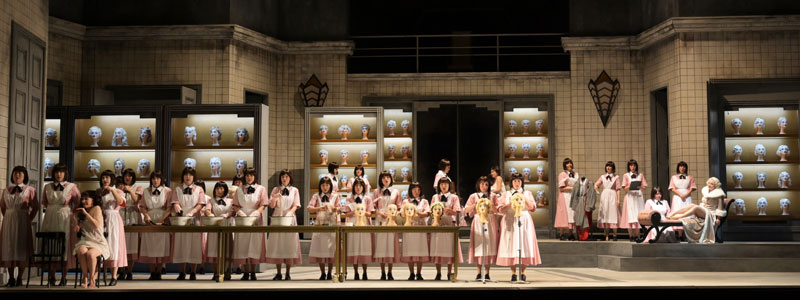
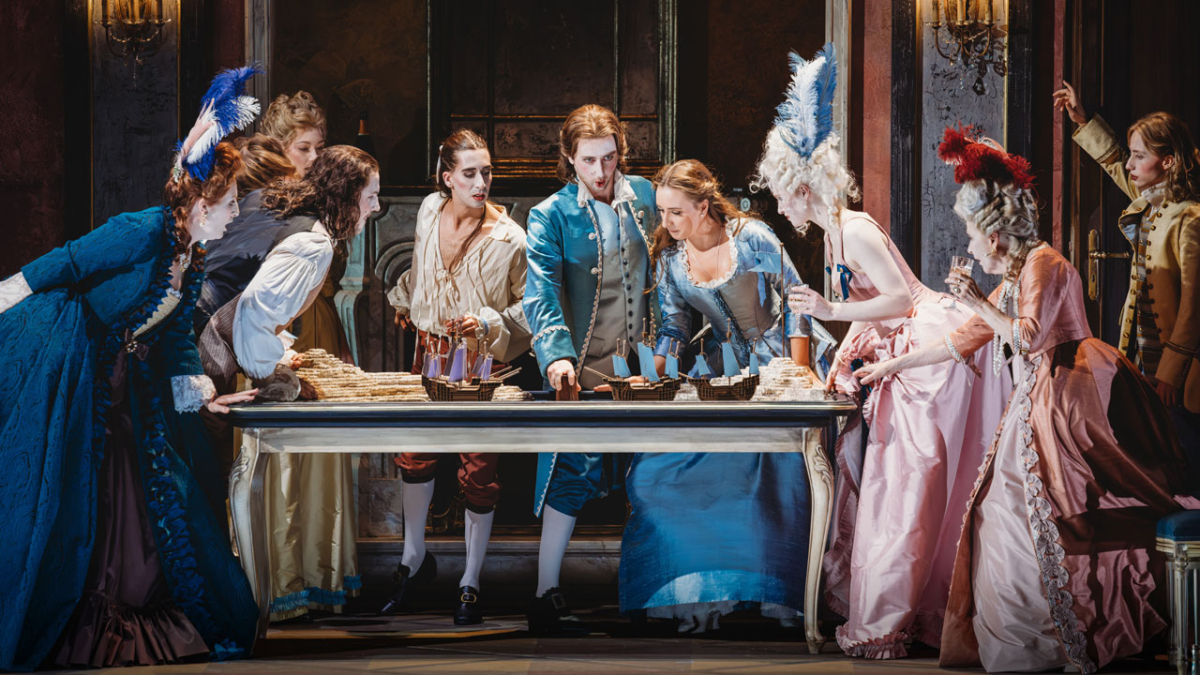
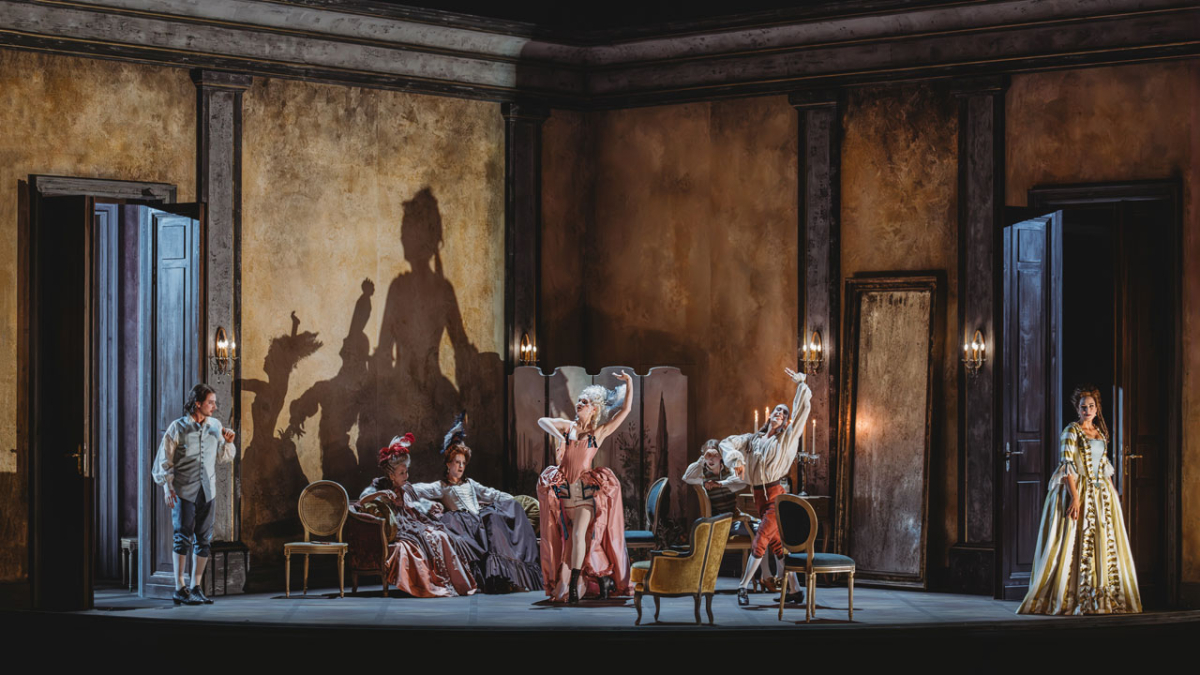
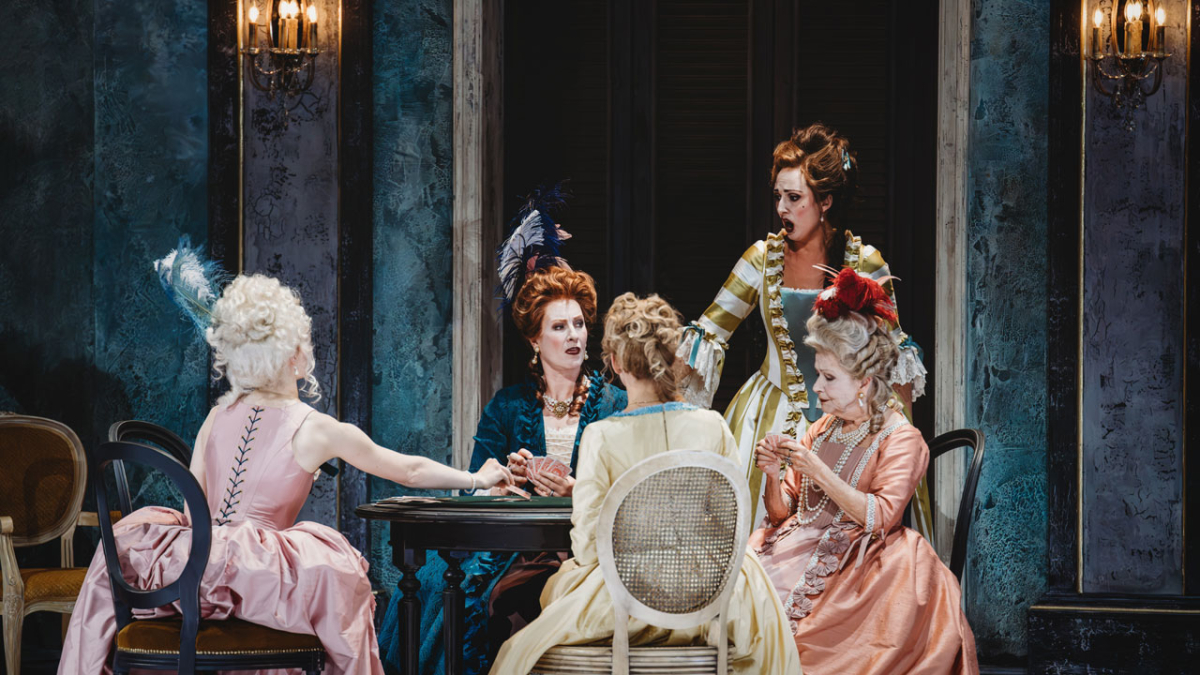
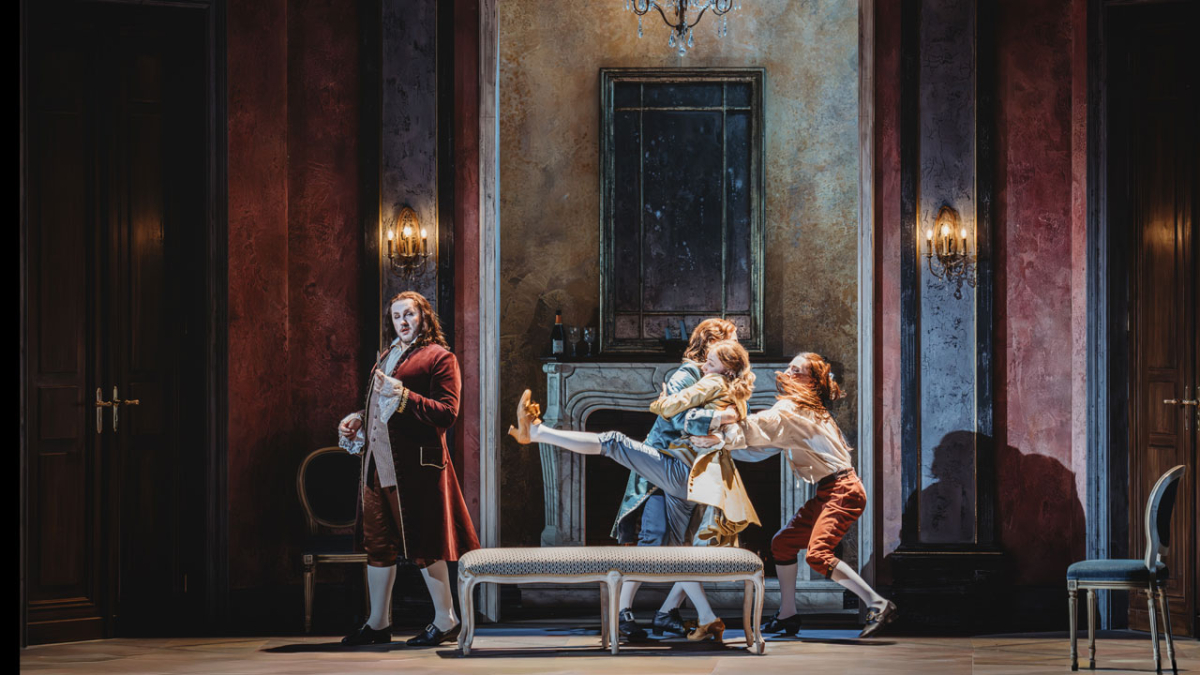
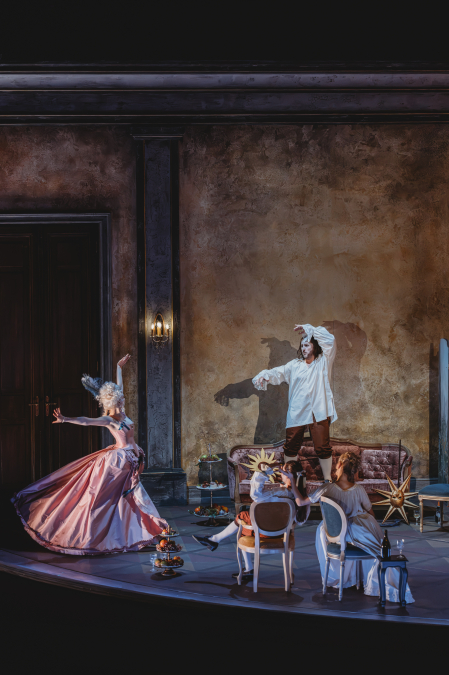
People are killing time at a soirée with games, dancing and debauchery waiting for Teofane, who’s betrothed to Ottone, although she’s only ever seen his portrait, to arrive.
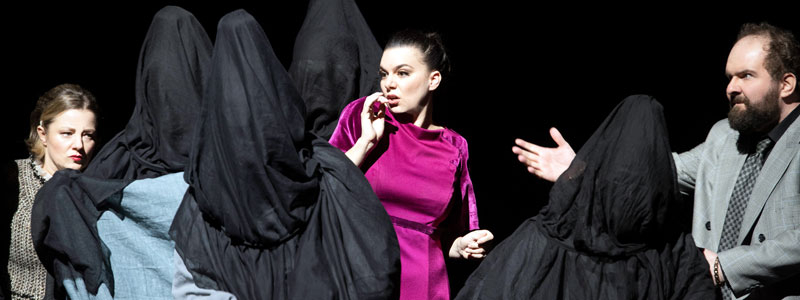
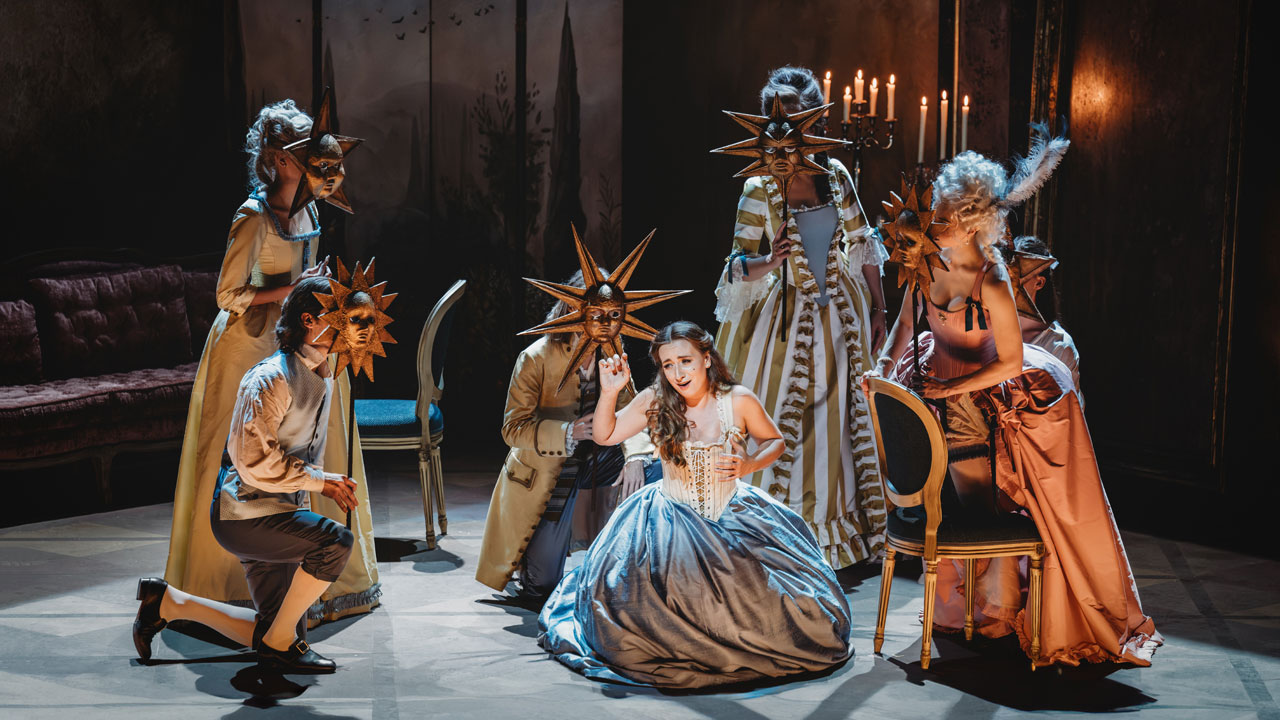
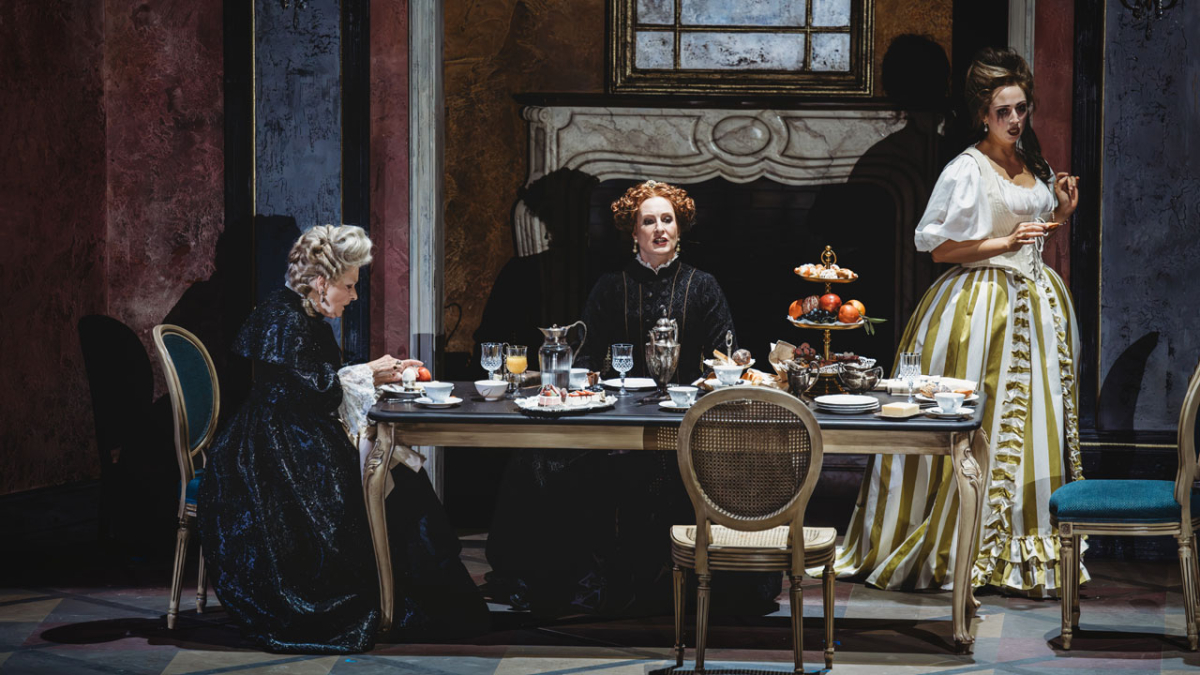
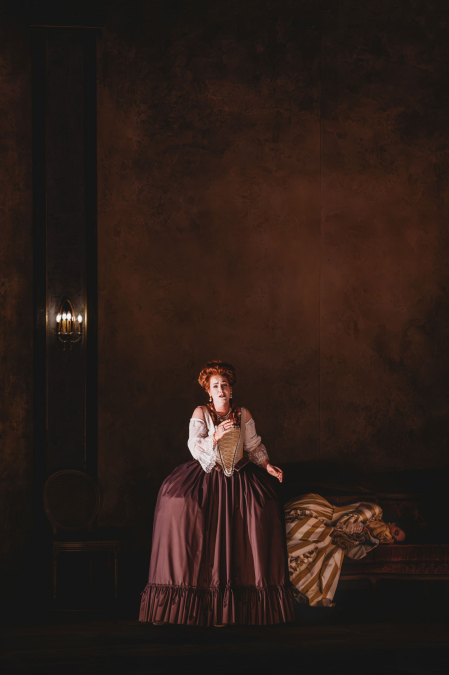
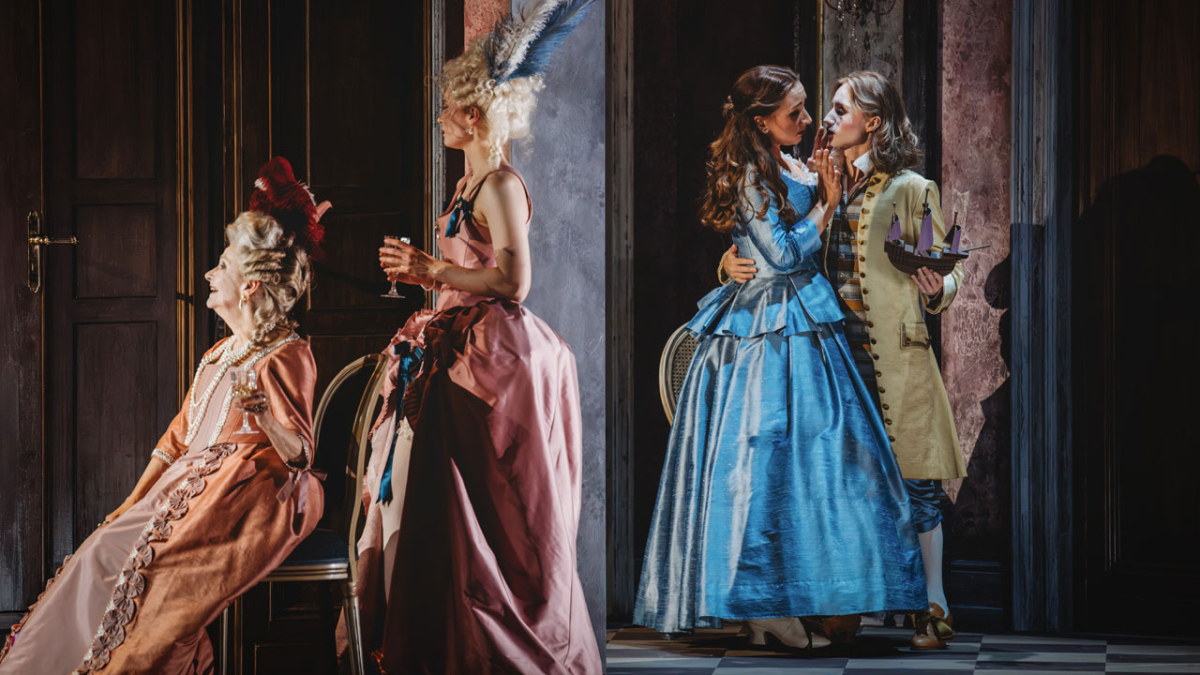
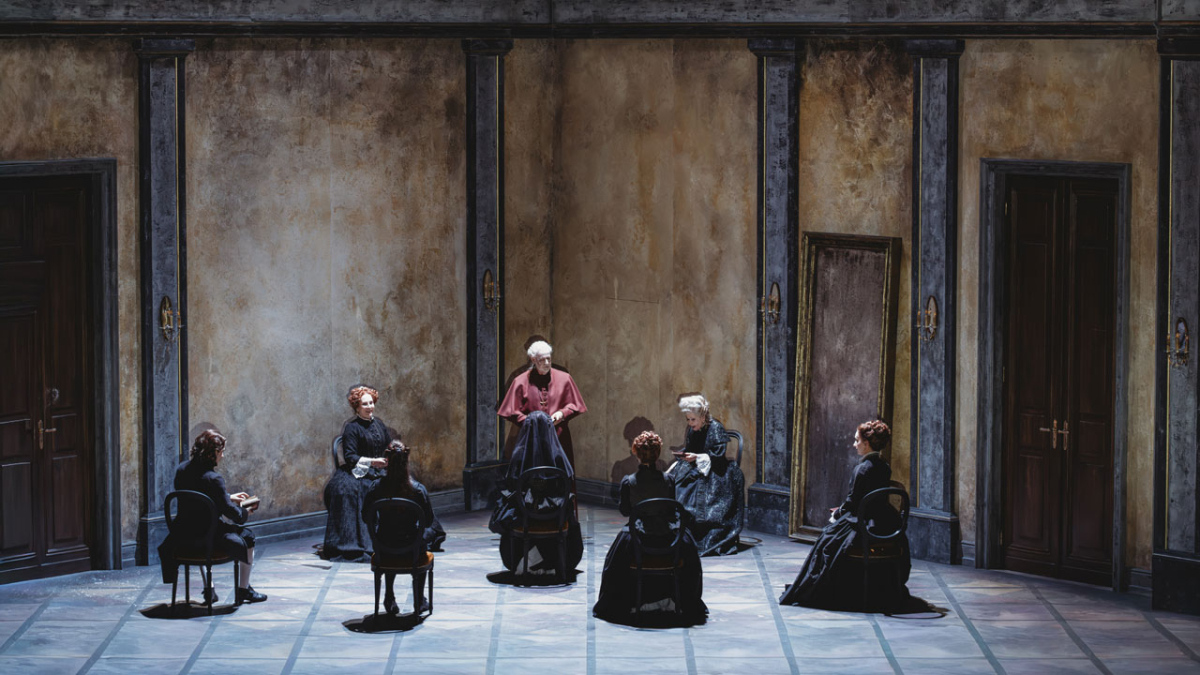
Bored rigid, Gismonda, lady of the house and Adelberto’s ambitious mother, organises a charade to pull the wool over unsuspecting Teofane’s eyes: with Adelberto posing as Ottone. Everyone joins in; even Matilda, who’s engaged to Adelberto, Emireno, desperately looking for the love of his life, and an elderly countessa, who’s seen enough precarious situations, misunderstandings and human folly in this palazzo during her lifetime.
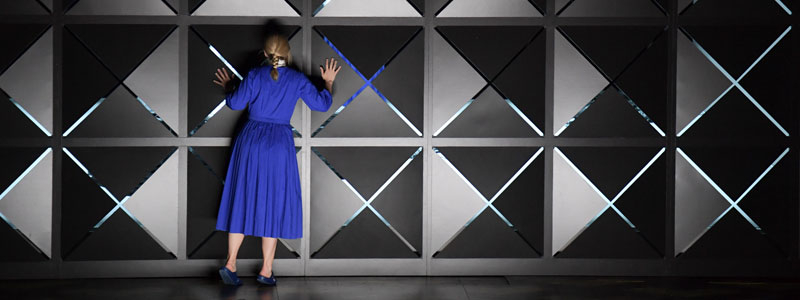
Teofane’s bewildered by her weird welcome and how Ottone looks nothing like his portrait …
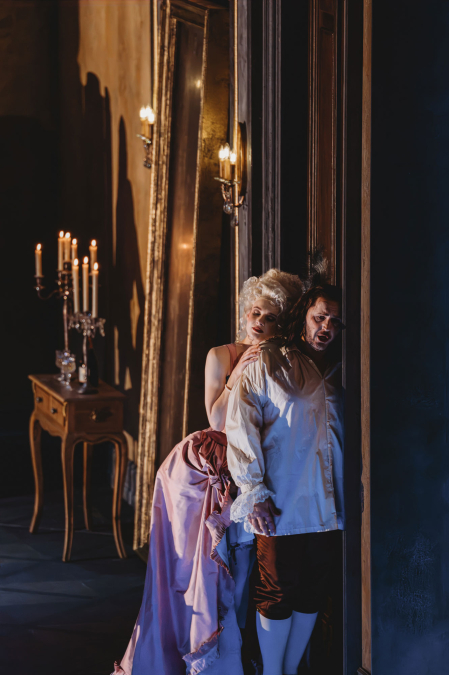
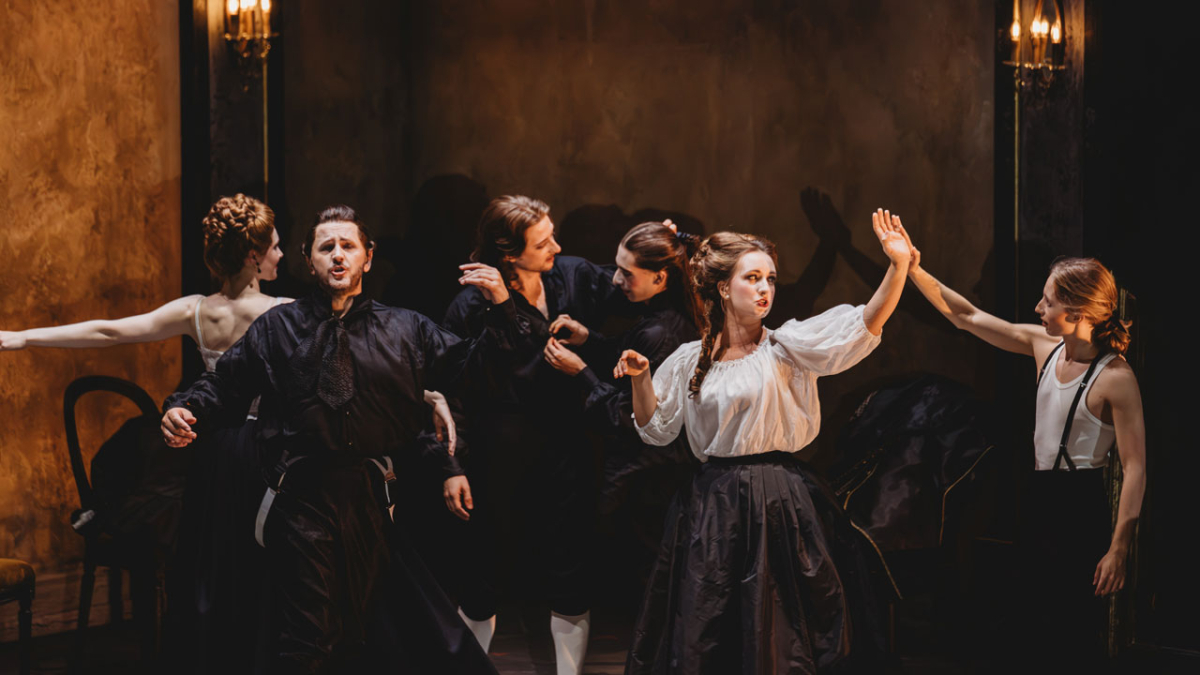
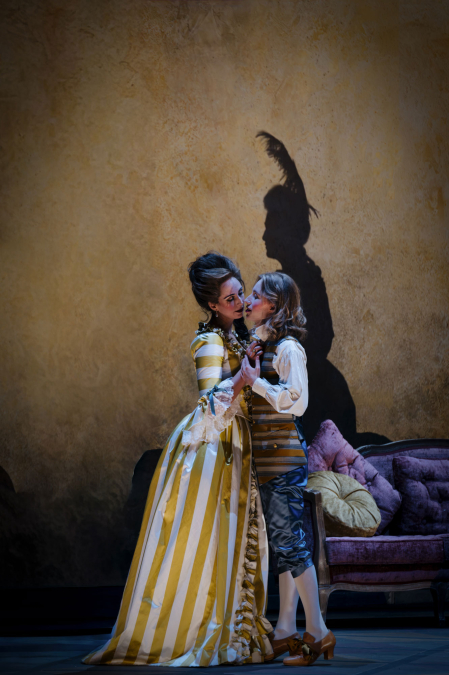
The later it gets the more the rivalry between Adelberto and Ottone, the already strained stance between Gismonda and Matilda, Matilda and Teofane’s mutual wariness intensify and the boundaries between pretence and reality become less distinct.
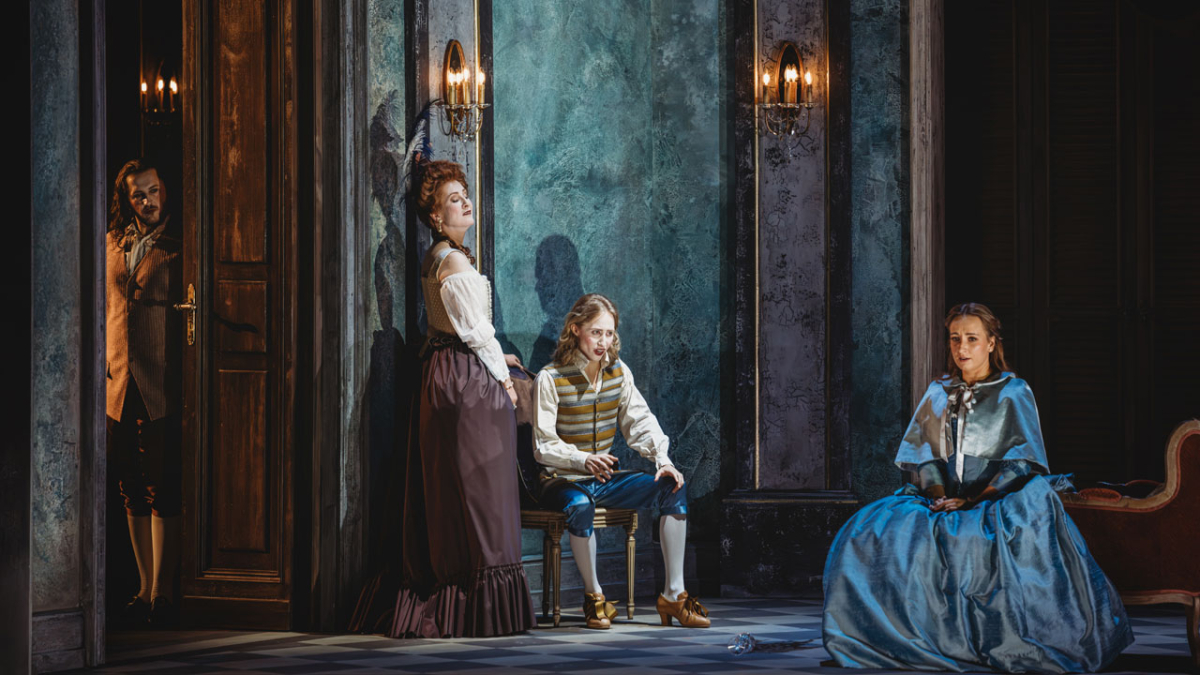
While Gismonda, Ottone, Adelberto and Matilda tie themselves in increasing knots in their own traps and emotions, Teofane realises what conspiracy was hatched behind her back – and how full of confidence she feels.
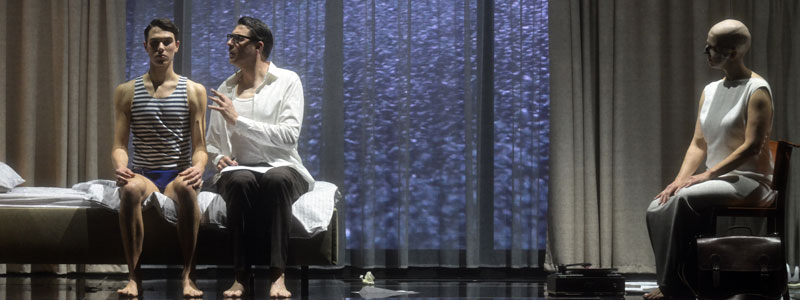
Some of them, feeling pangs of remorse, hope things will return to normal next morning. Teofane then confronts them with their fraudulence … Matilda and Adelberto make it up, while Teofane and Ottone, meeting as equals at last, realise: Teofane came, in order to stay.
But whether calm really will return with a new dawn …
Ottone’s supposed to marry Teofane, but nobody reckoned with ambitious Gismonda, plotting away to bring her son Adelberto to power. When marriage politics turn into a dirty game …
The libretto for the fictitious story of in Ottone consists of snapshots relating to an historically documented wedding between Emperor Otto II of Germany and Theophanu, a Byzantine princess. It’s based on Stefano Benedetto Pallavicini’s texts for Antonio Lotti’s drama per musica Teofane, which Handel probably saw in Dresden while casting singers for other projects. And, fancy that, Lotti’s young bride, and leading lady, is the lynchpin in Handel’s opera too, faced with the usual complications and entanglements.
The run-up to the world premiere in London in 1723 was complicated because the composer was trying to meet the demands of the famous Italian singers he’d engaged. The result was a delicate fabric of refined, elegant, intimate arias, accompanied by a relatively small orchestra, with memorable melodies. Unsurprisingly, Handel's 3rd opera for the Royal Academy in London was another box-office hit and, with Rinaldo one of the most revived works during the composer’s lifetime. A rarely performed work, that deserves being rediscovered!