Le roi Arthus / King Arthur
Ernest Chausson 1855–1899
Opera in 3 acts and six scenes
Libretto by the composer
World Premiere November 30 1903, Théâtre royal de la Monnaie, Brussels
Sung in French with German & English surtitles
Introductory talks, in German, in the Holzfoyer 30 mins before curtain up, and available here and everywhere podcasts are found shortly after opening night
There's a chamber music concert in the Holzfoyer on December 6th inspired by this work
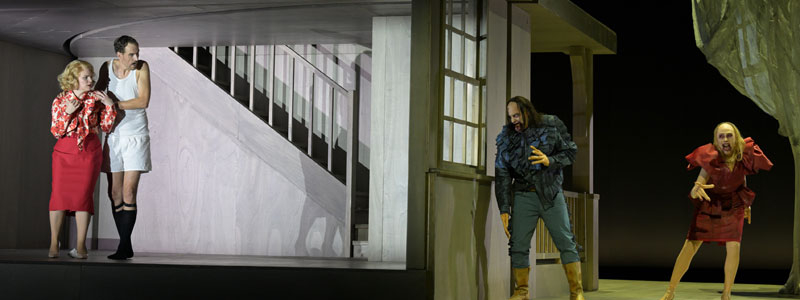
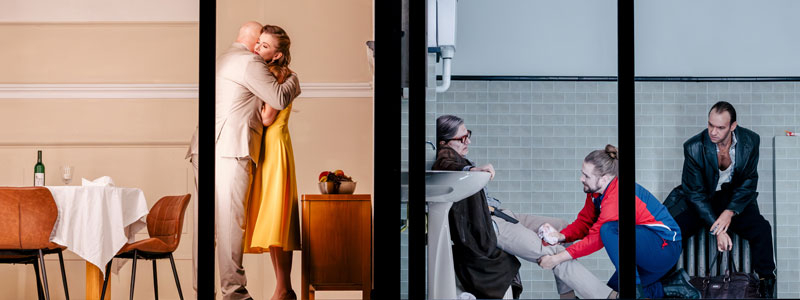
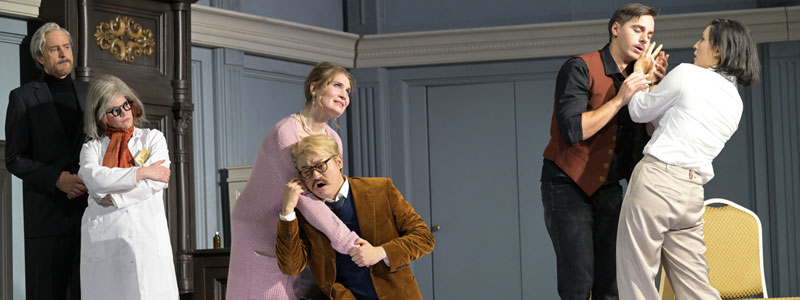
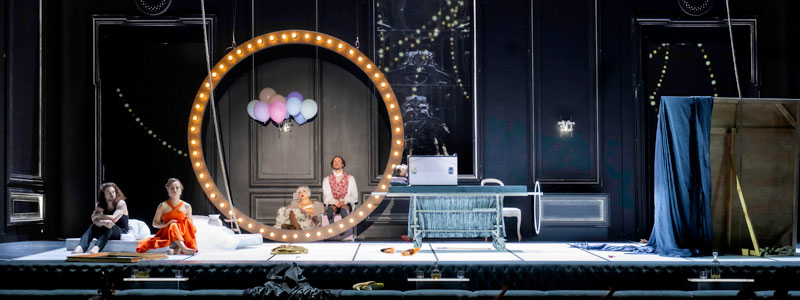
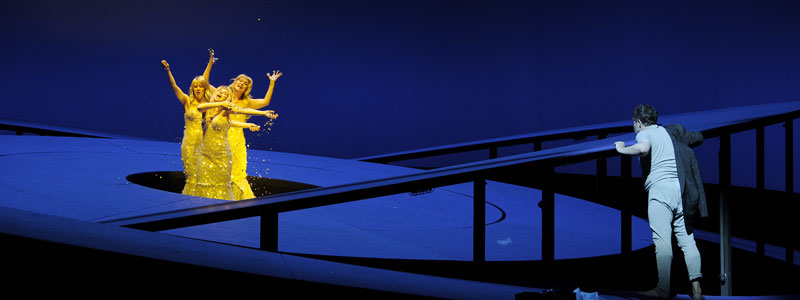
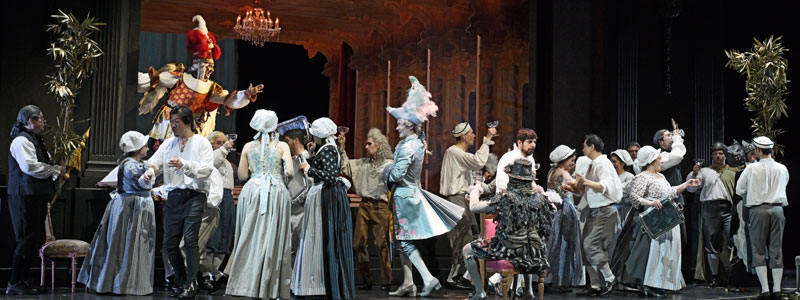
King Arthur rules as the first among equals; symbolised by the Round Table. But his plans begin to founder because knights are jealous of Lancelot, who Arthur holds in high esteem after the victory over the Sachsens, and because Lancelot, of all people, begins an affair with the Queen Genièvre. When Lancelot’s adversary Mordred catches them in flagranti delicto, Lancelot strikes him down. But Mordred survives and tells Arthur about his trusted friend’s unfaithfulness with his beloved wife. The King can’t believe it, nor can Lancelot imagine living a lie at court. He eventually gives in to Genièvre’s pleas to flee with her. When Arthur finds out, he has to face up to the truth. Merlin prophesies the end of the Round Table in a vision, which comes true: Mordred rebels against Arthur, wanting the crown for himself. Lancelot breaks down under the burden of guilt and seeks death in battle, which causes Genièvre to take her own life. The King forgives his dying friend, before being transported to Avalon by angels.
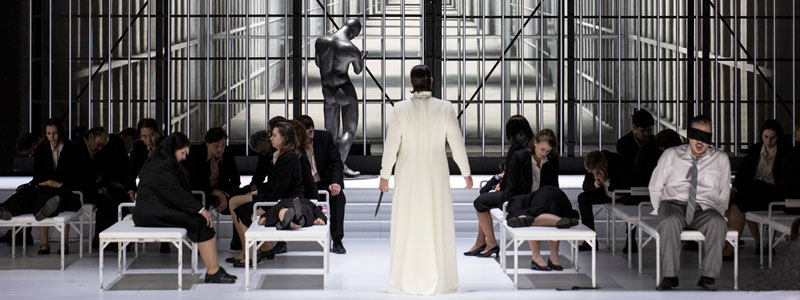
The mythical setting of this medieval legend aside, the Round Table can be seen as a symbol for democracy, which seems to be under threat again today. Ernest Chausson portrays the end of the Arthurian kingdom as the decline of an advanced civilization, destroying itself: peace among people and living at one with nature go hand in hand. Merlin, closely bound to the natural world, reminds us of this. The apotheosis in the final scene holds out hope that the wise and benevolent ruler might return. This leading representative of French Wagnérisme found bewitching sounds for his only opera, in which his enthusiasm for the Bayreuth master combined with the search for new colours in music, as his friend Claude Debussy was doing too. We present this large-scale, rarely performed work in all its opulence for discussion.