THE TRIUMPH OF TIME & ENLIGHTENMENT
Georg Friedrich Händel 1685–1759
Oratorio in 2 parts
Text by Kardinal Benedetto Pamphilj
First performed, probably, 1707, Teatro del Collegio Clementino, Rome
Sung in Italian with German surtitles
Introductory talks (in German) 30 mins before performances begin in the Bockenheimer Depot, here on video shortly after opening night and everywhere where podcasts can be found.
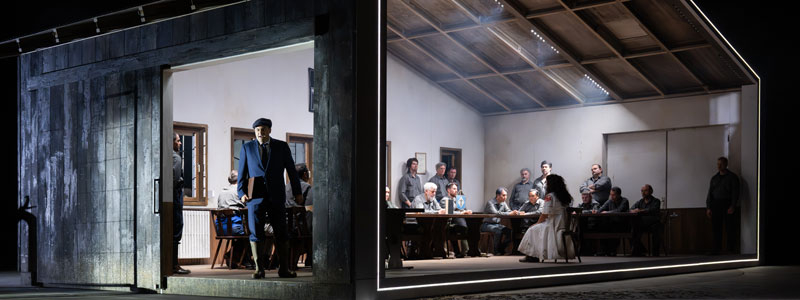
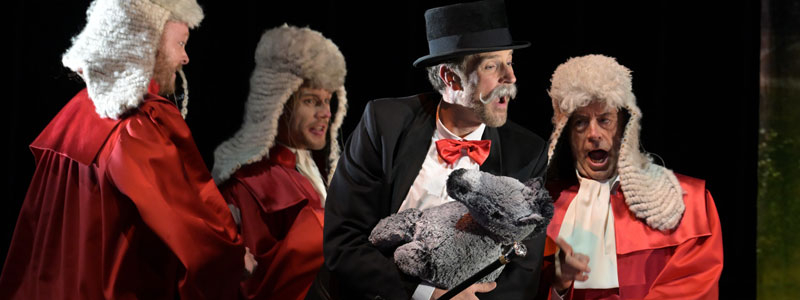
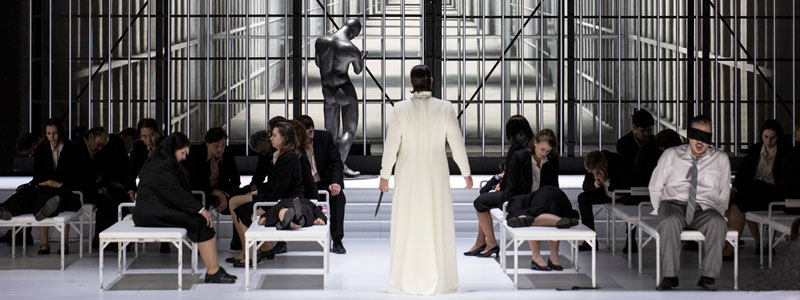
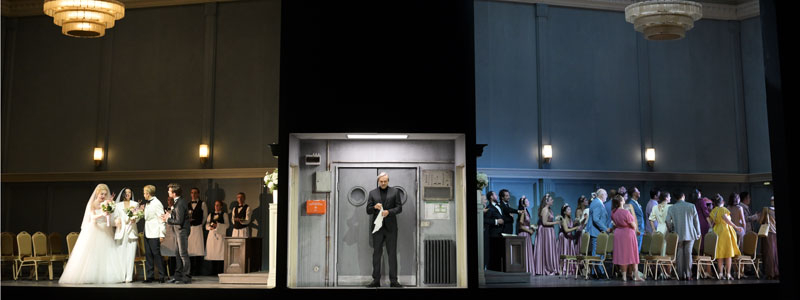
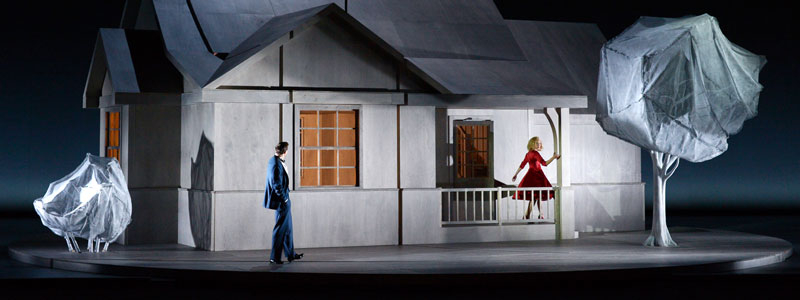
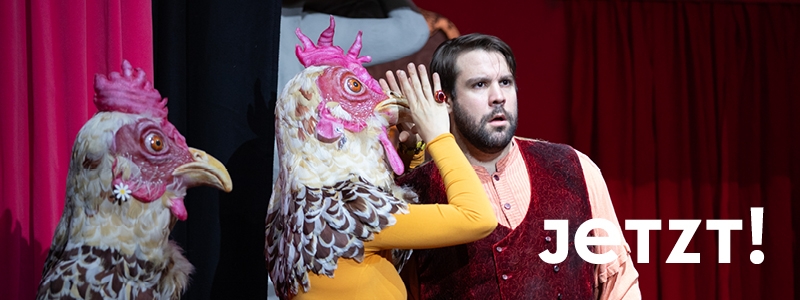
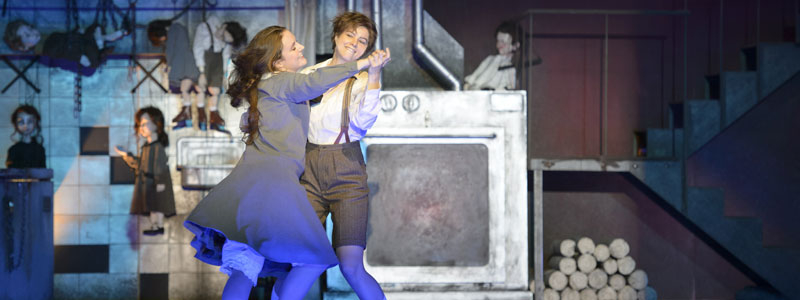
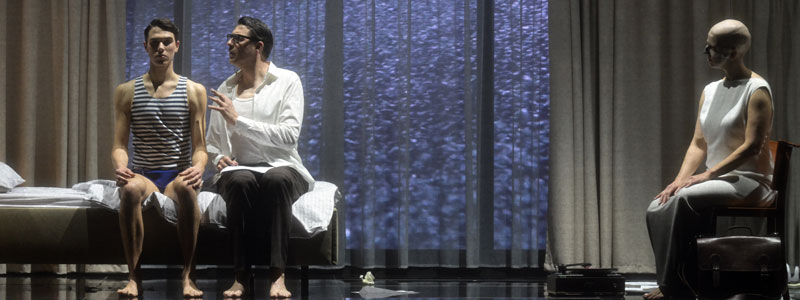
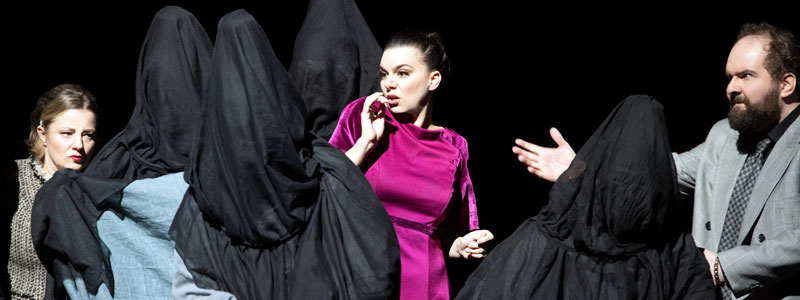
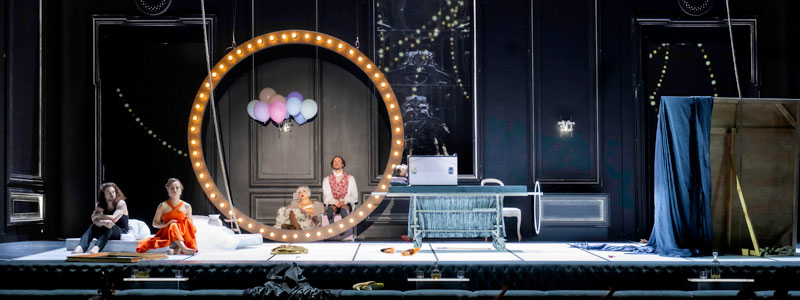
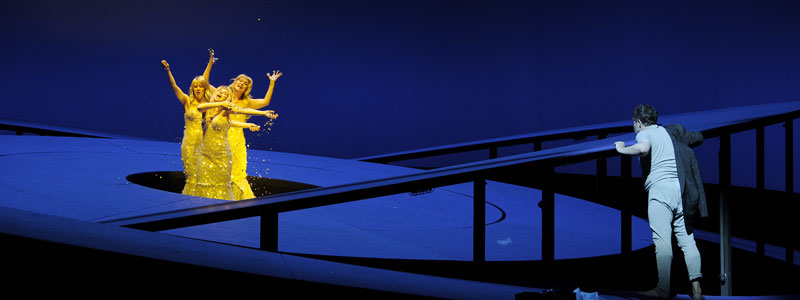
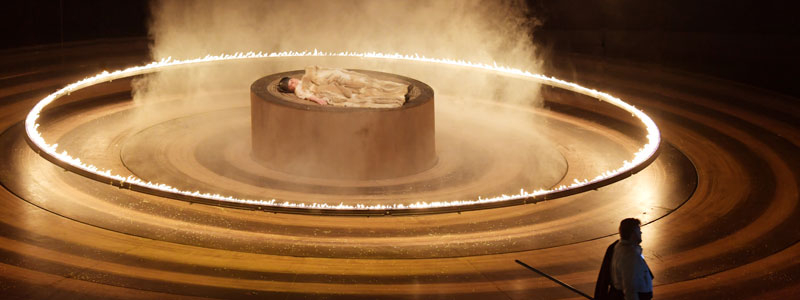
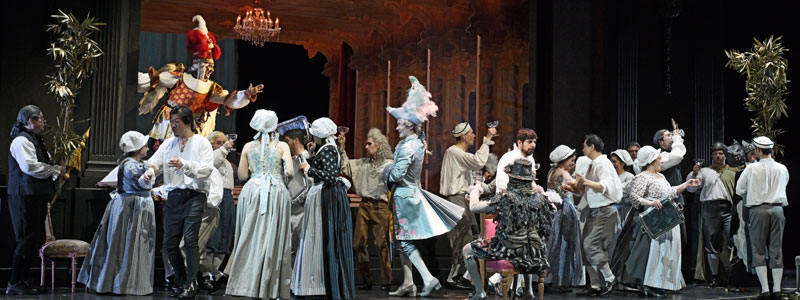
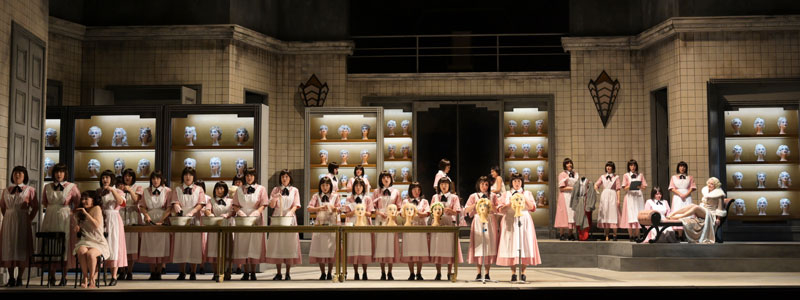
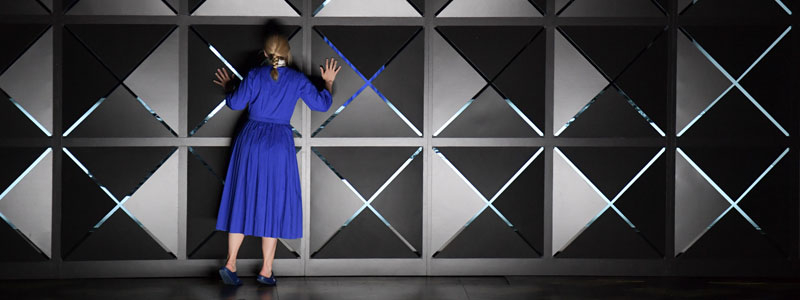
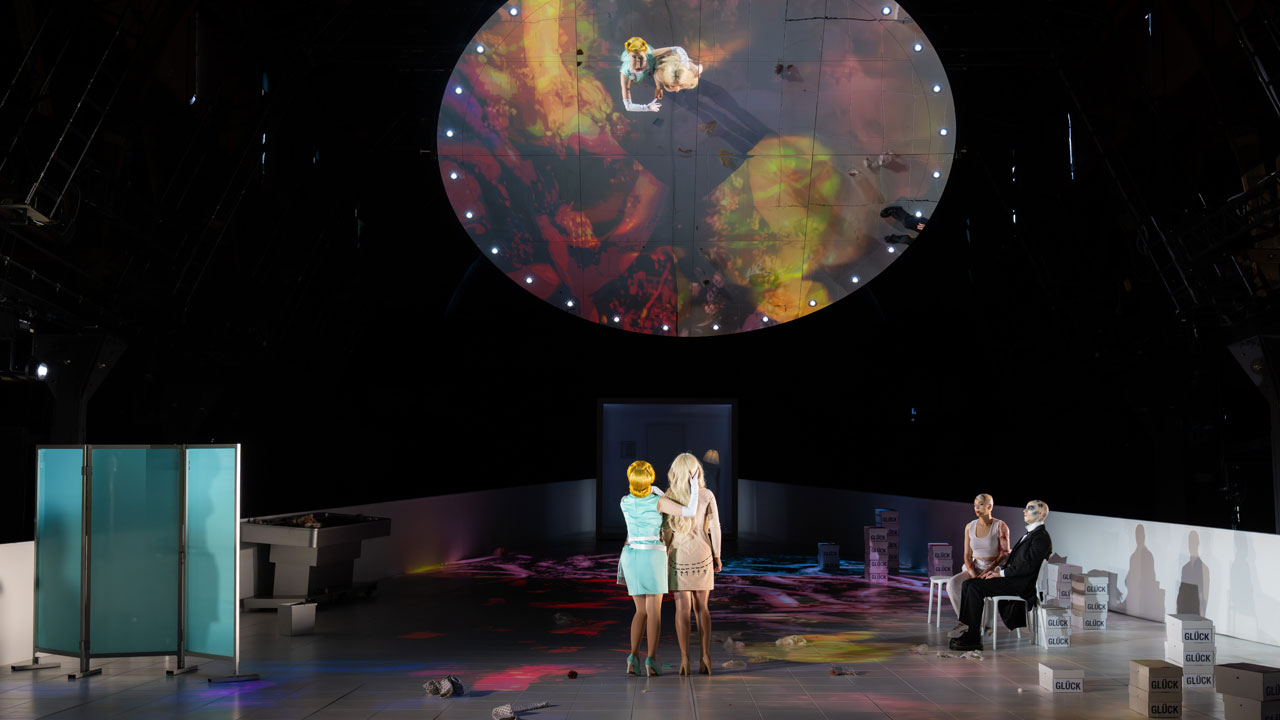
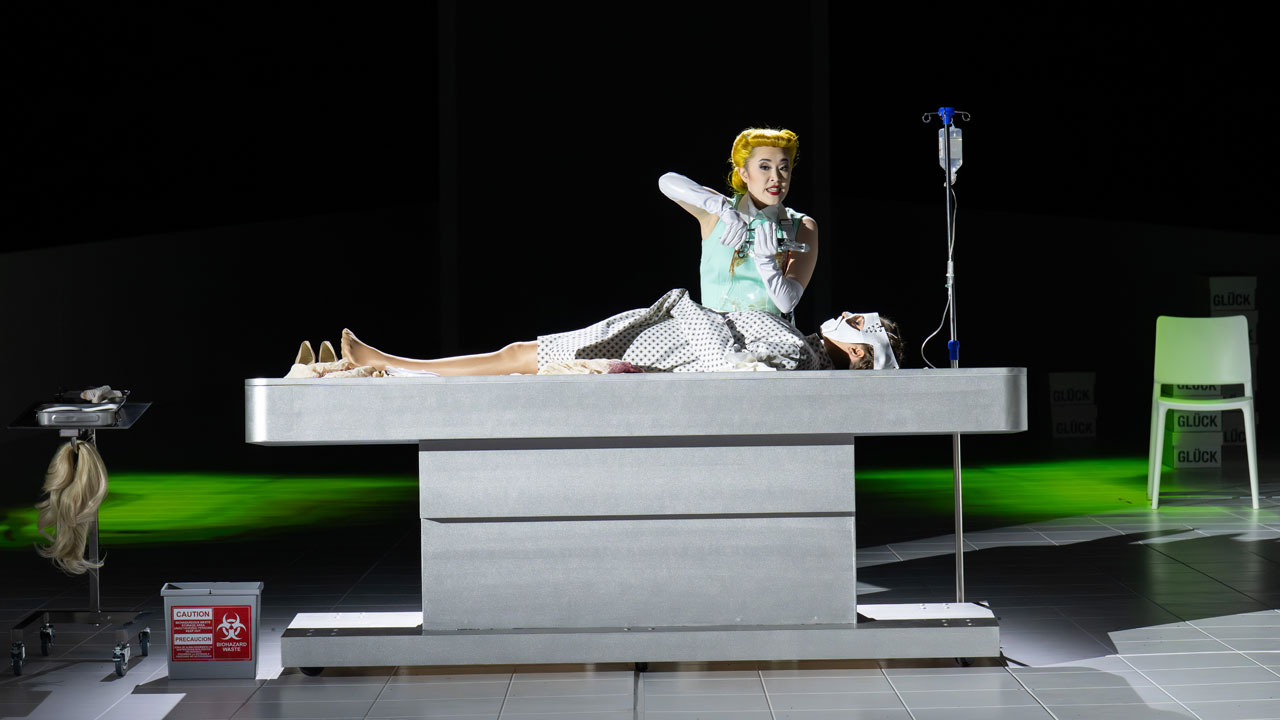
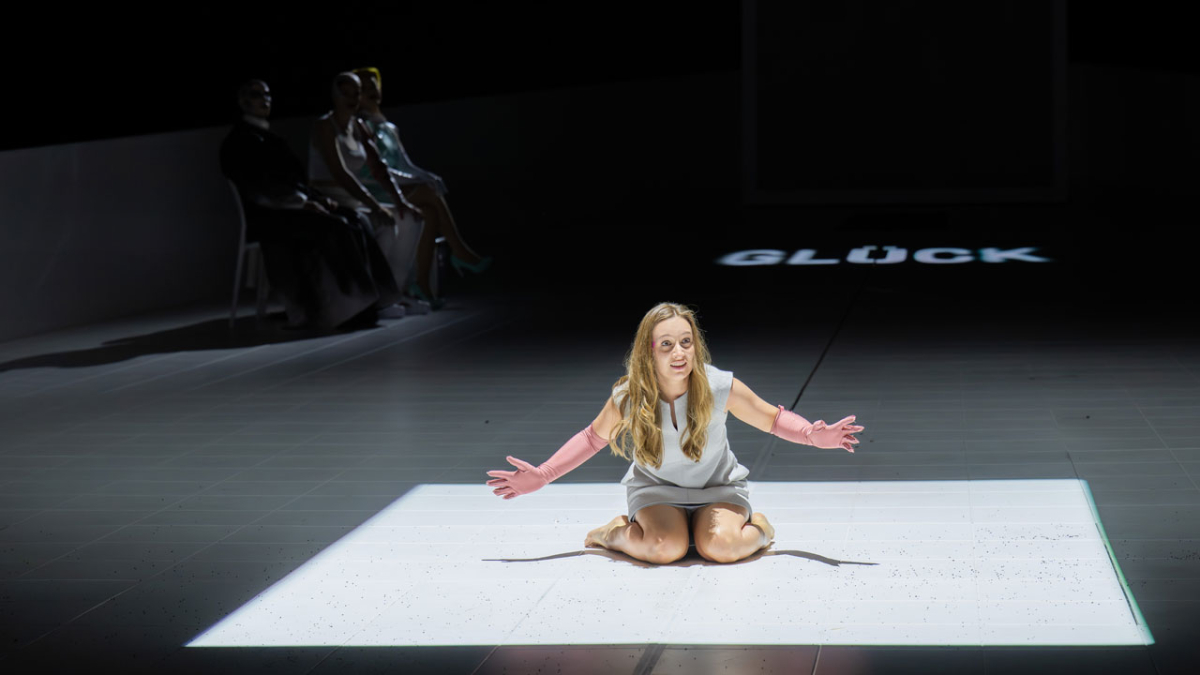
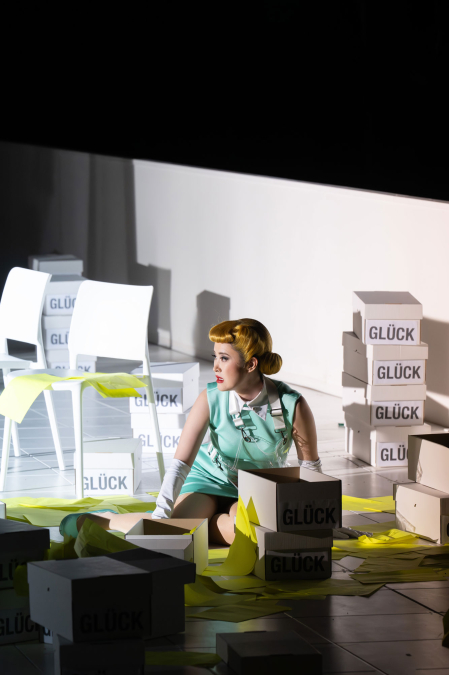
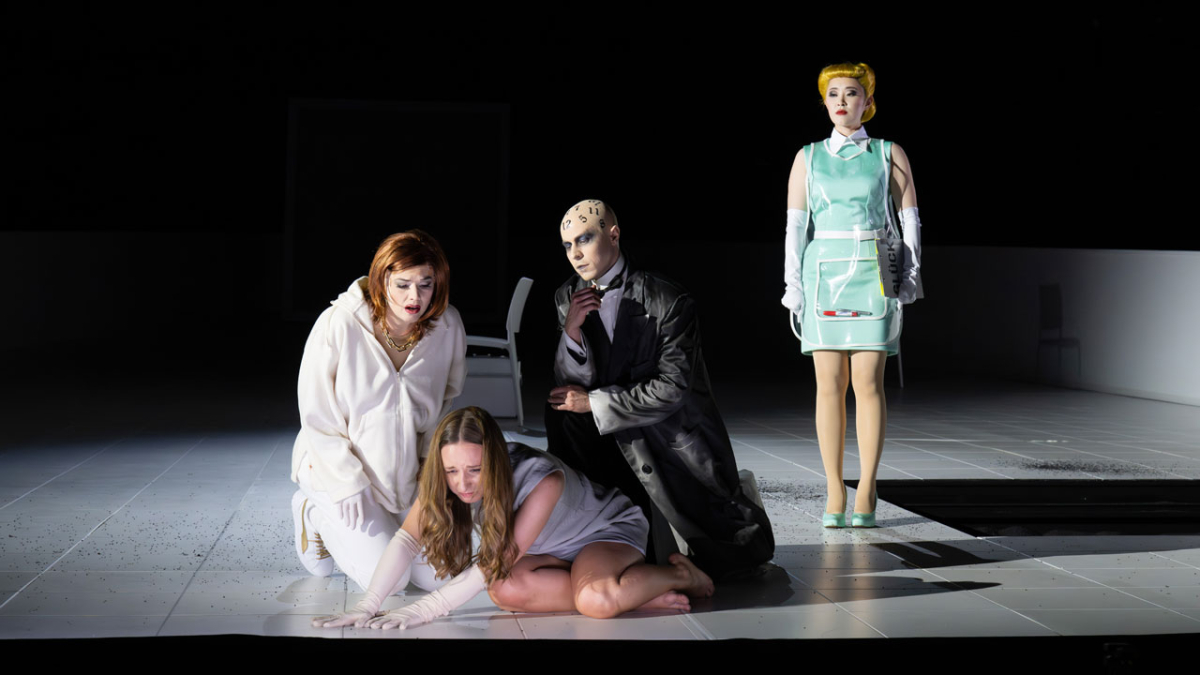
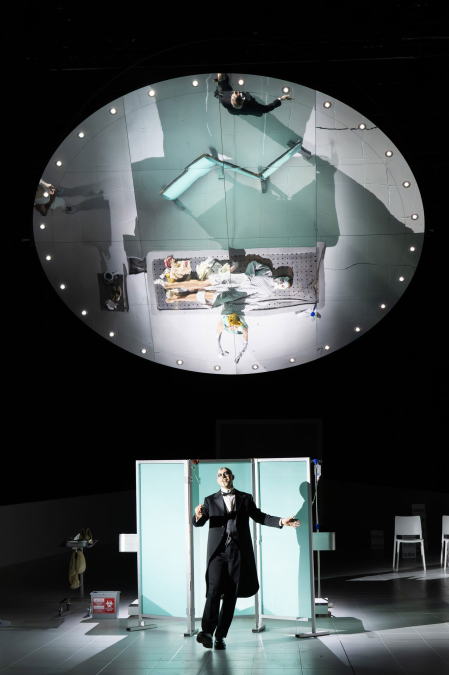
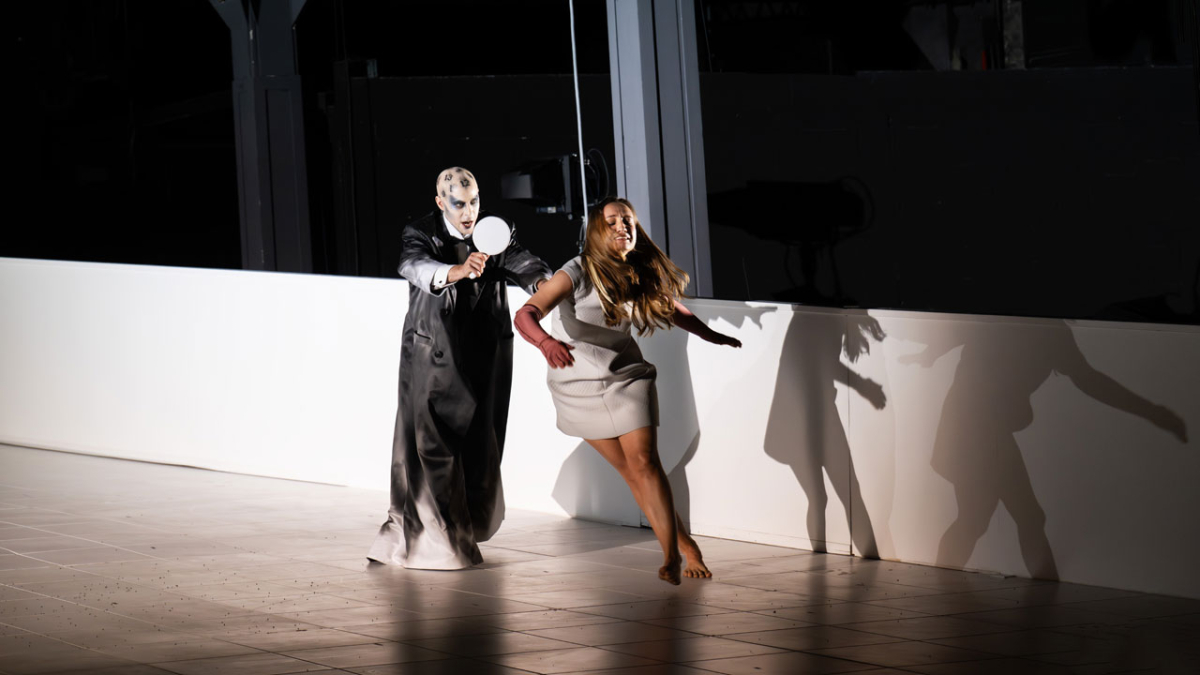
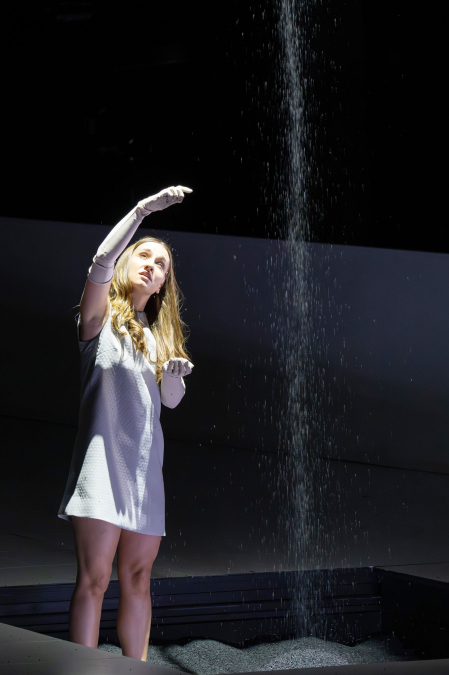
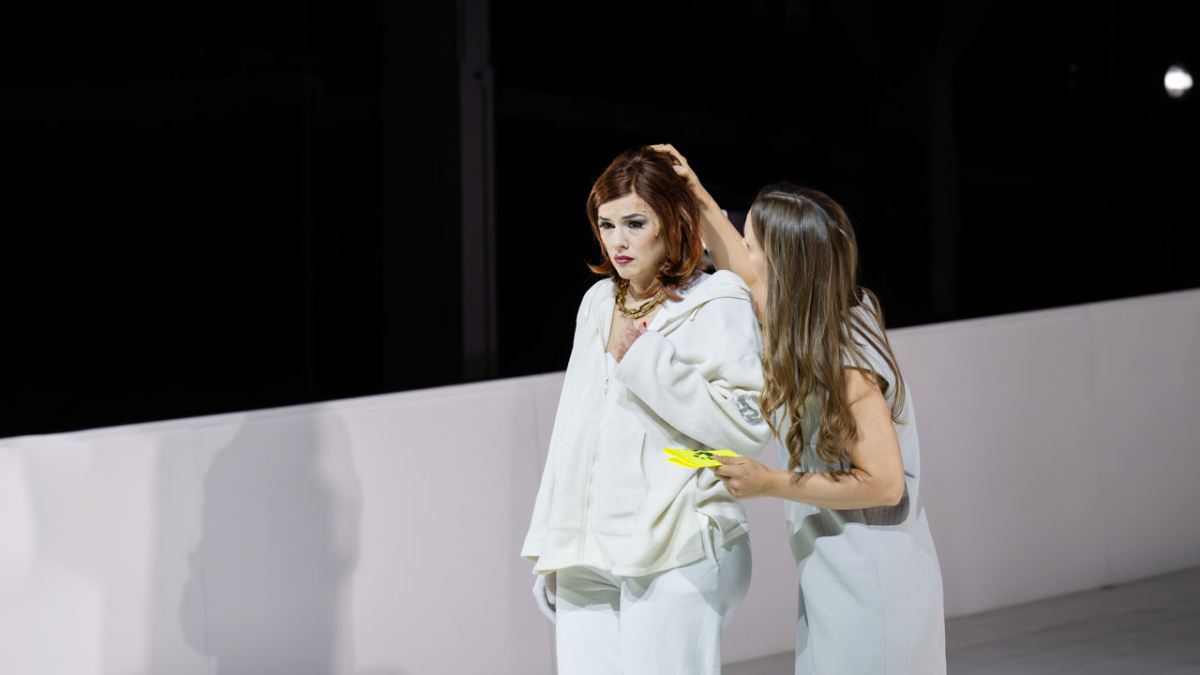
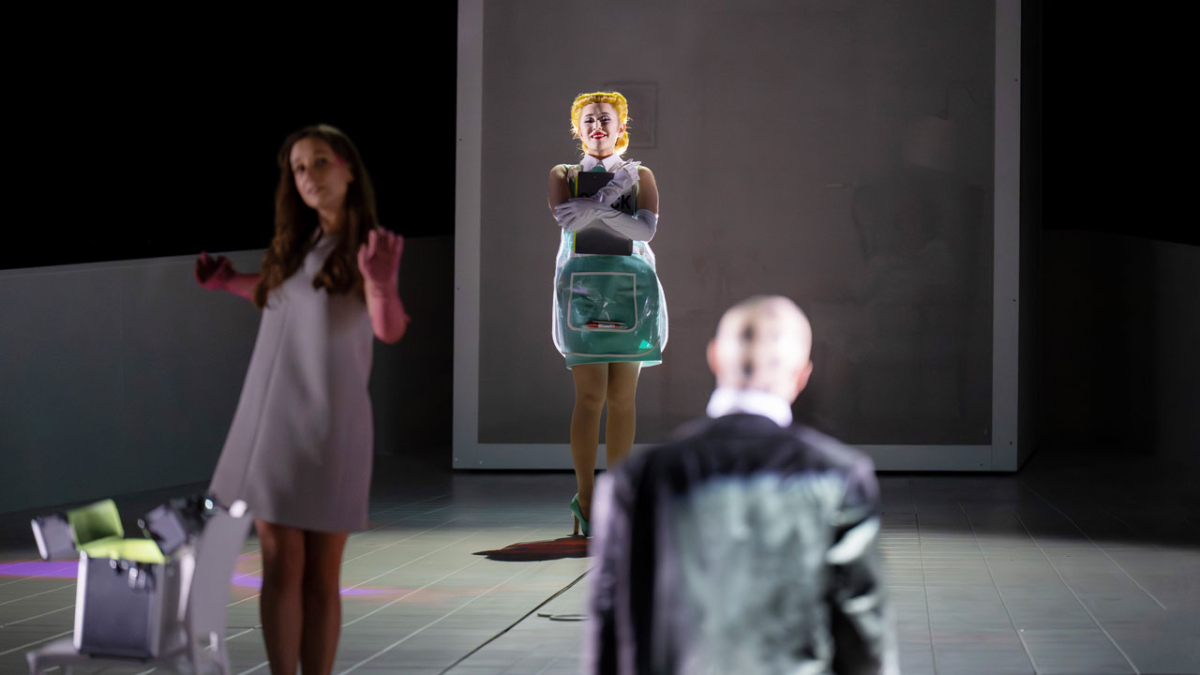
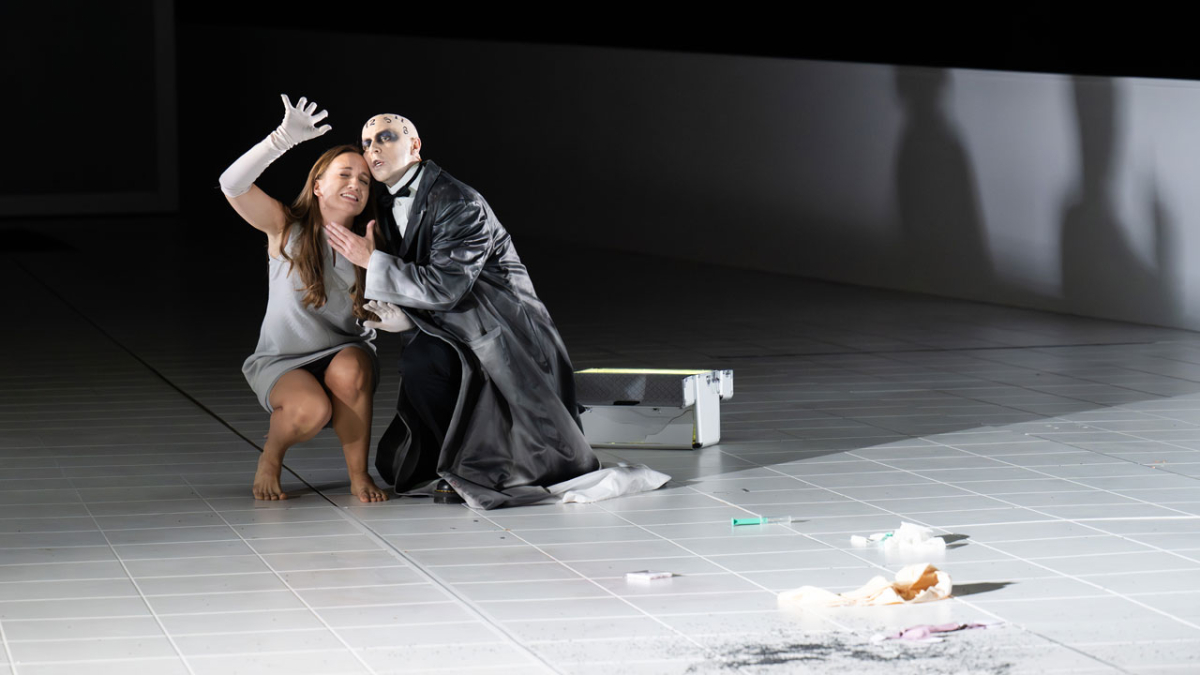
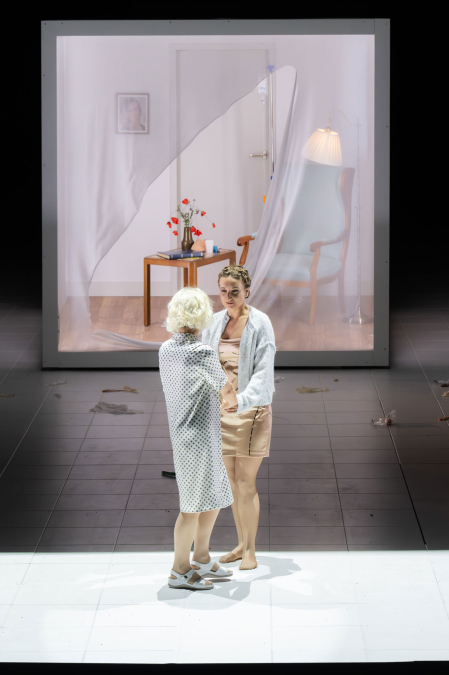
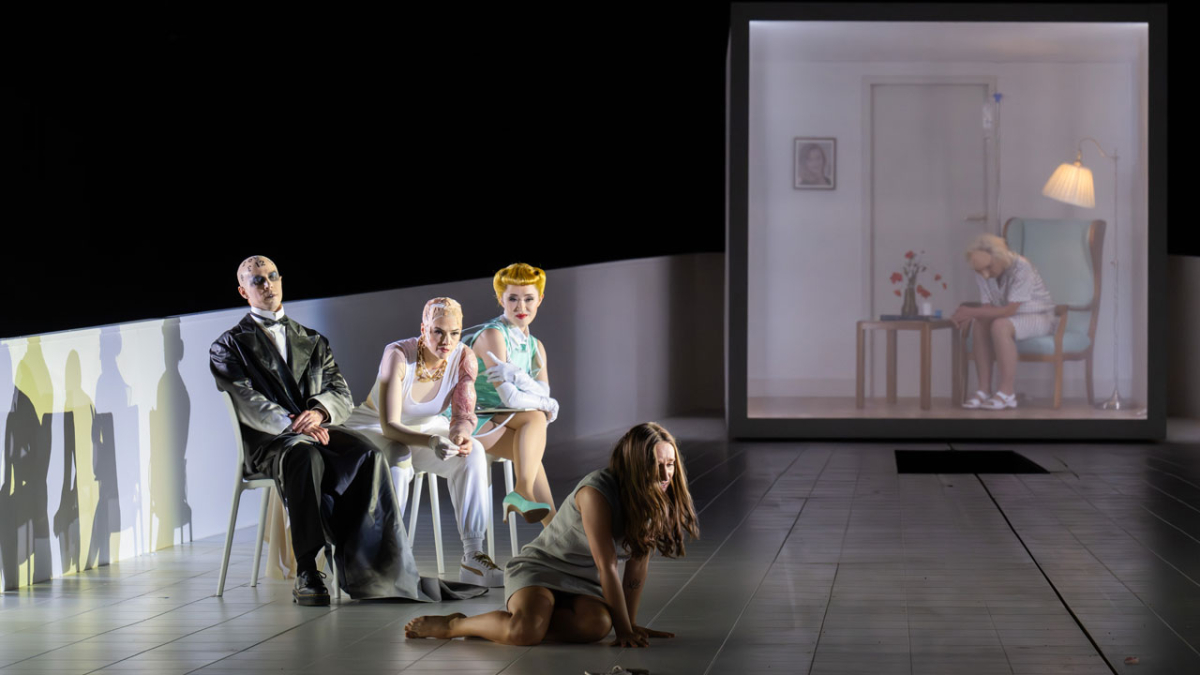
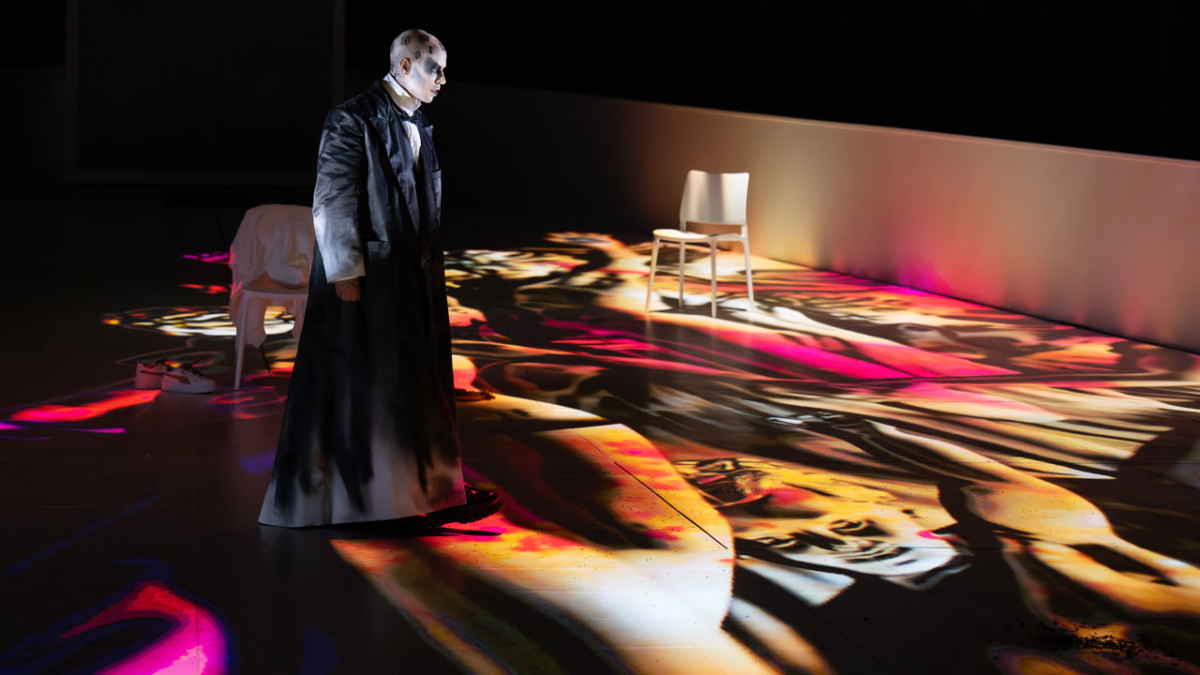
Entering her twilight years, aging, graciously, Bellezza (Beauty) looks back on her life and all the conflicting, self-destructive thoughts she had about how she looked when she was young, and trying to come to terms with it: As a young woman she felt pressurised by society to conform to ideals of beauty, while starting to be aware of her own mortality. Piacere (Pleasure), the embodiment of perfection achieved by ceaseless attention to detail, astounds Bellezza with her apparent flawlessness, vivacity, self-confidence and success. Happiness in life seems to hinge on looking perfect. She promises Bellezza that, with just a few nips and tucks, everything she dreams of in life will come true. Tempo (Time) and Disinganno (Enlightenment) disagree strongly with Piacere. Tempo reminding Bellezza about the transience of life and beauty, Disinganno about the deceptive illusion of superficial perfection. Caught in the middle, Bellezza struggles with her self-esteem, acceptance of who she is and starts questioning the meaning of life and all it entails. She also encounters her older self. After much deliberation Bellezza, seduced by Piacere’s promises, agrees to her first cosmetic intervention.
Part 2 Under Piacere’s influence, Bellezza’s attempts to find happiness through self-improvement have become addictive. When she sees her altered reflection, doubts start surfacing about interfering with nature and the inevitable changes a body undergoes over time, embodied by Tempo and Disinganno. Seeing her older self forces Bellezza to take a hard look at the significance and implications of the decisions she made, which she’s lost control of and are leading nowhere, making her more receptive to Tempo and Disinganno’s arguments. She finally faces up to reality and the irreversibility of the actions she took.
How to become self-aware and lead a meaningful life? Does the secret to happiness lie in accepting finiteness and overcoming human vanities?
In 1707 22 year-old Handel started making a name for himself in Rome with his brilliant improvisations on the organ, and wealthy friends, one of whom was Cardinal Benedetto Pamphili who provided the composer not only with the financial means, but also the text for this argument between beauty, enjoyment, disillusionment, or truth, and time. Handel’s first oratorio Il trionfo del Tempo e del Disinganno holds a mirror up to the Vatican’s determined steps against secular works for the stage, which culminated in several theatres being closed. By calling his work an oratorio the composer managed to circumnavigate the »opera probita« hurdle, but his dramatic instinct shines through in every note.
Handel portrayed the four characters‘ debate with captivating imagination. Throughout his life Handel made use of music from his first oratorio, not least the well-known aria »Lascia ch’io pianga« in Rinaldo, which is given to the allegorical figure of enjoyment in this work.