La fiamma
Ottorino Respighi 1879–1936
Opera in 3 acts
Libretto by Claudio Guastalla after Hans Wiers-Jenssen’s play Anna Pedersdotter
World premiere January 23 1934, Teatro Reale dell’ Opera, Rome
Sung in Italian with German & English surtitles
an introductory talk starts in the Holzfoyer 30 mins before performances begin, and will be available here, and everywhere podcasts can be found, shortly after opening night
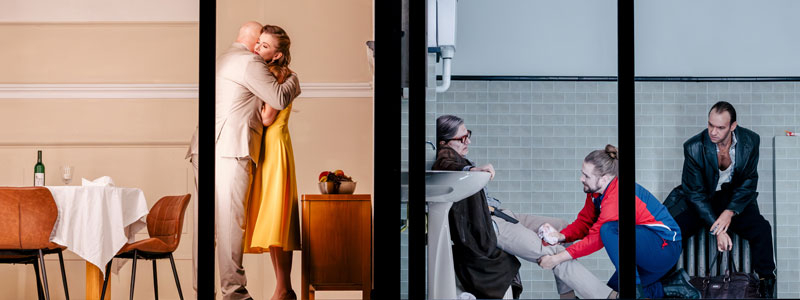
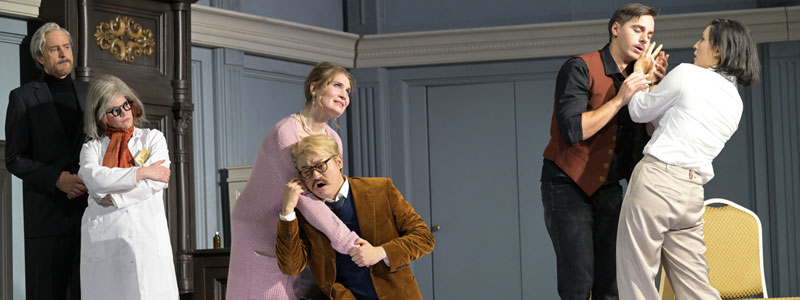
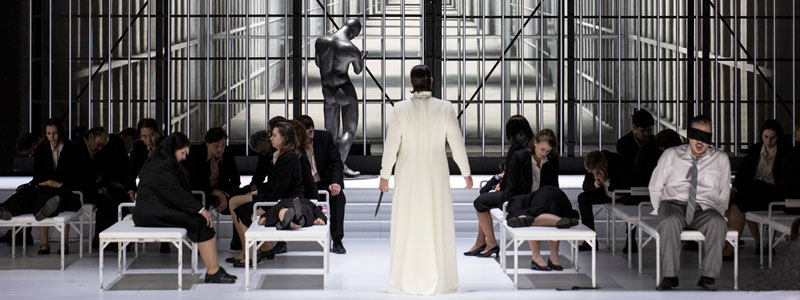
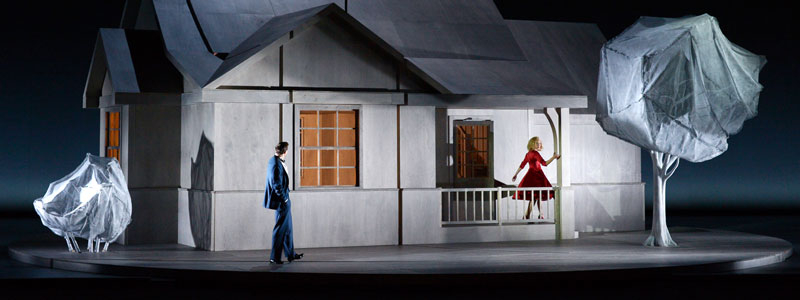
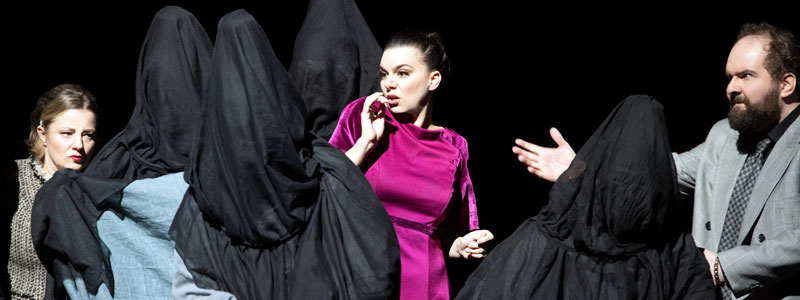
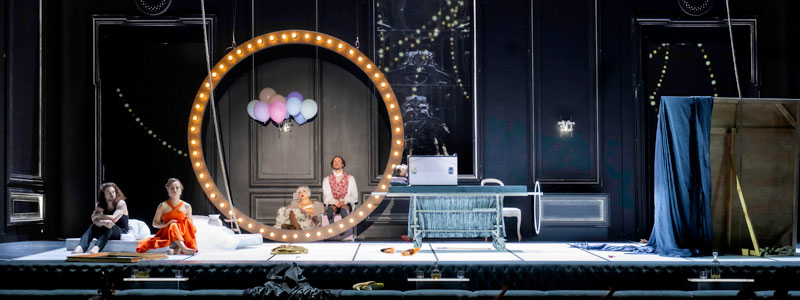
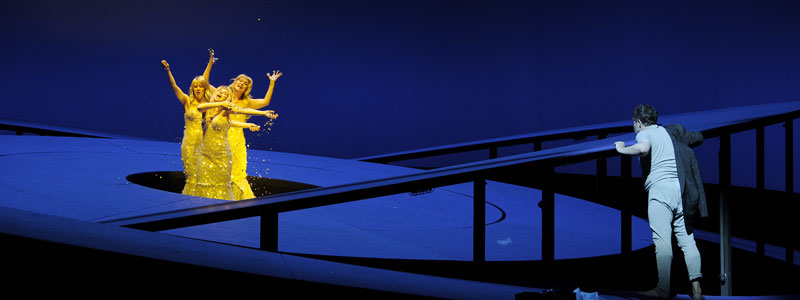
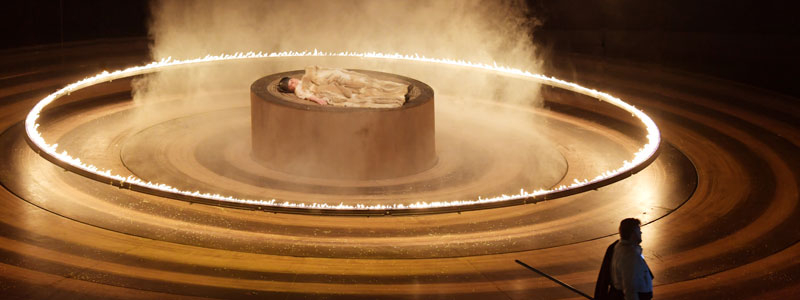
A fatal mixture of power and religion, conspiracies and hysterical fanaticism forms the backdrop for a passionate affair between a step mother and her son, which ends in disaster.
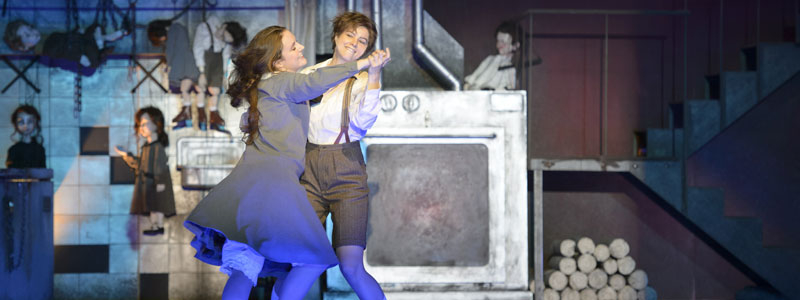
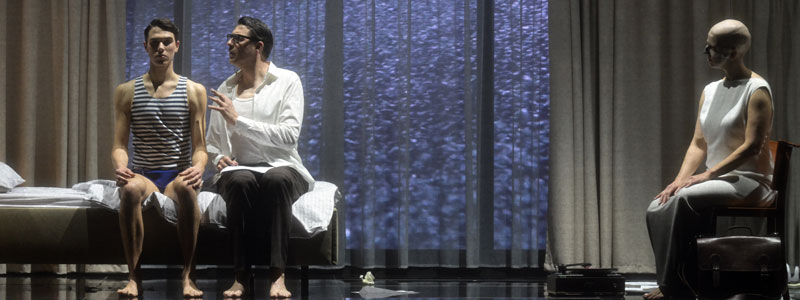
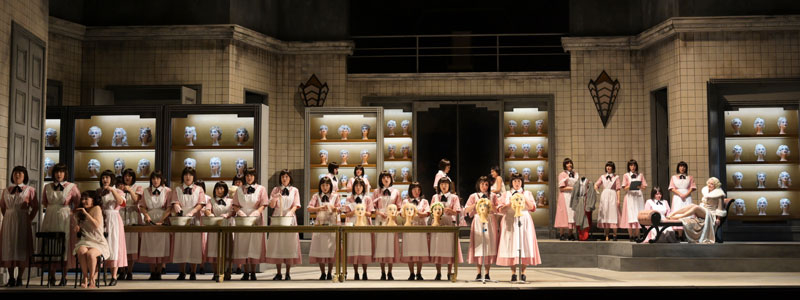
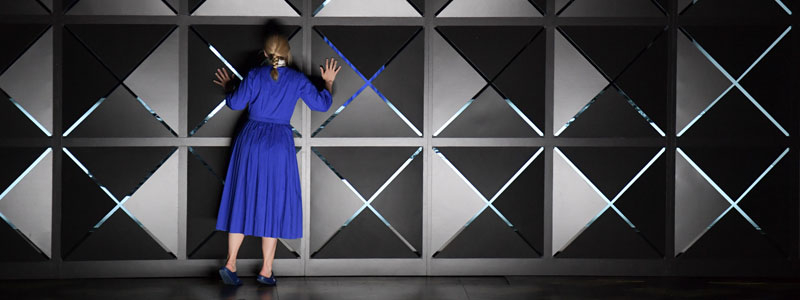
Basilio married much younger Silvana against his mother Eudossia’s wishes. Eudossia can’t shake off her dislike for the young woman, who starts a passionate affair with her step-son Donello, who’s the same age as her. Silvana’s blamed when Basilio dies of a heart attack, just as her mother was accused of being a witch, and sentenced to death.
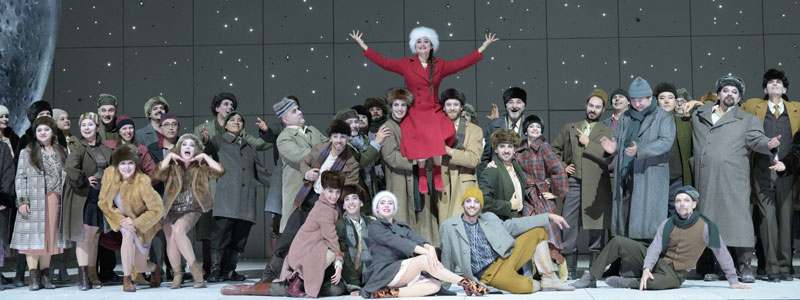
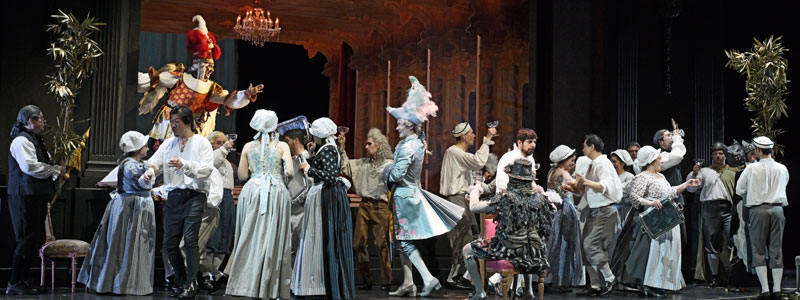
What takes place in Respighi and his librettist Claudio Guastalla’s opera in 7th century Ravenna, was based on Hans Wiers-Jenssen’s play, which thematised witch hunts in 16th century Norway. A suitably archaic force drives the plot forward and blazes through the music —sometimes distorted grotesquely, especially in the grand scale choral scenes. The score reflects the drama and expressiveness in the action as well as its sensuality. Falling back on Italian melodrama and its tendency toward an opera of numbers, it combines stylistic diversity ranging from Gregorian chant to Stravinsky and Strauss.
Two years before the world premiere of La fiamma (1934) Respighi, best known for his orchestral works, signed the »Manifesto of Italian Musicians upholding Traditional 19th Century Romantic Art« – not because of culture political conformism, but aesthetic conviction: he saw music history as a continuum, whose traditions, in contrast to what was avant-garde in those days, he didn’t want to disregard, but emphasize. This artistic maxim is upheld in Respighi’s most successful opera La fiamma.