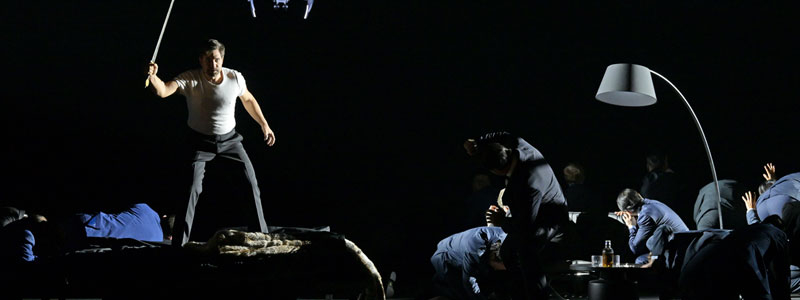
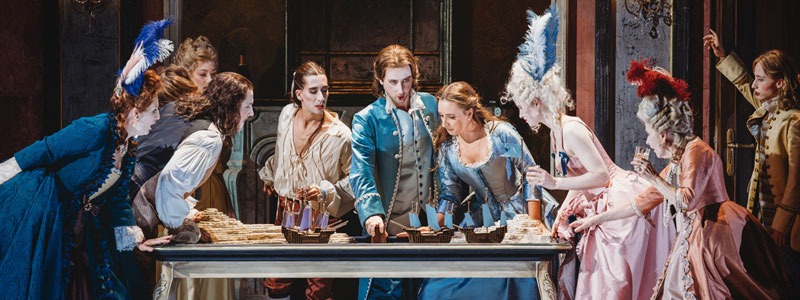
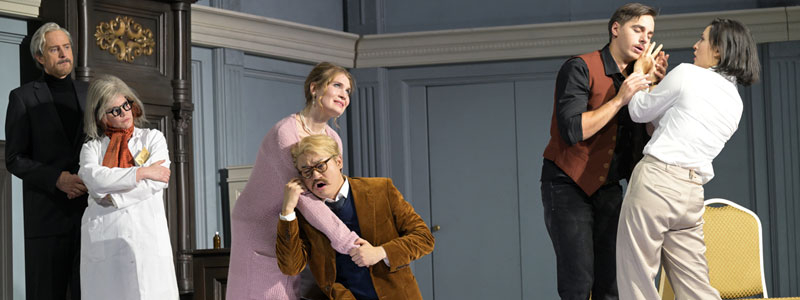
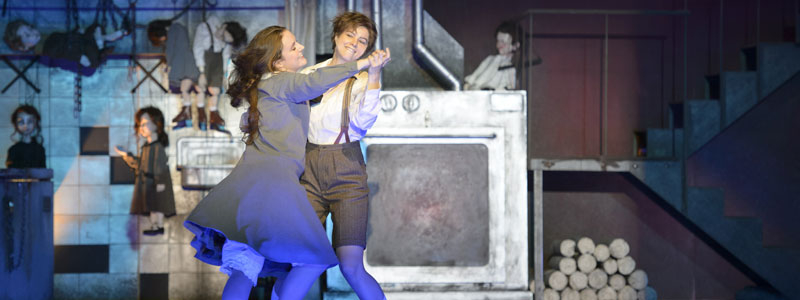
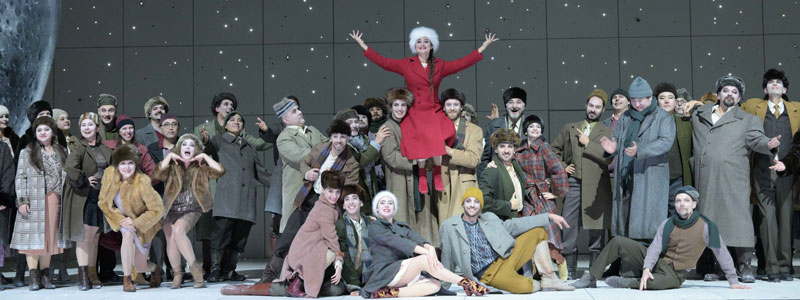
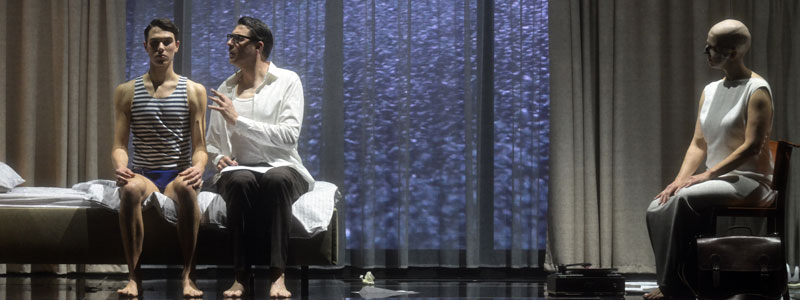
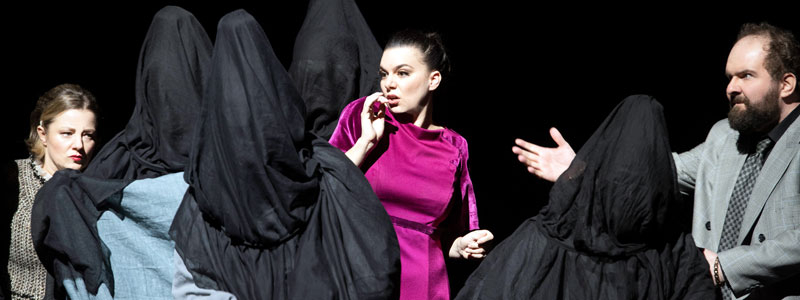
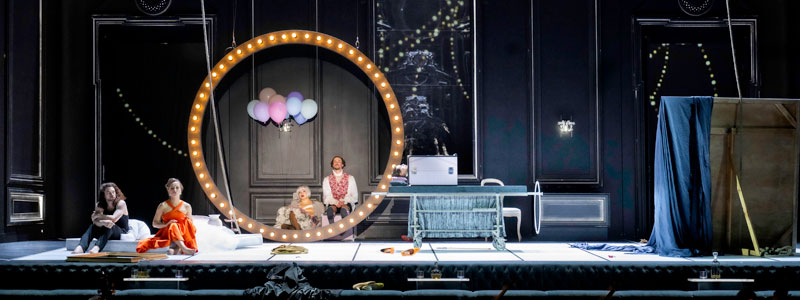
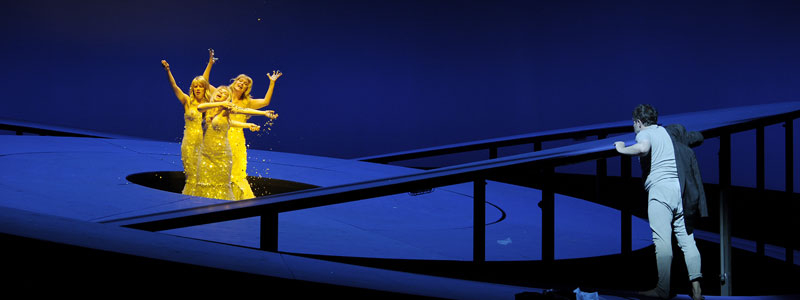
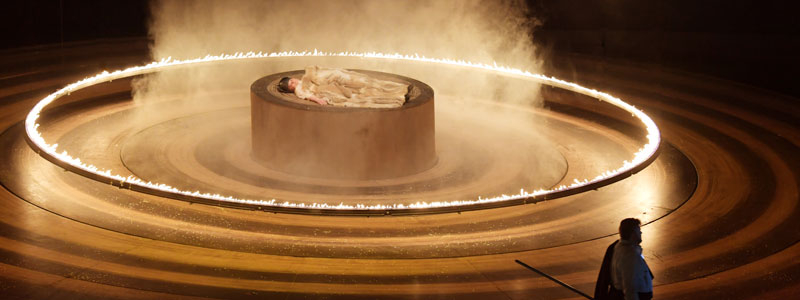
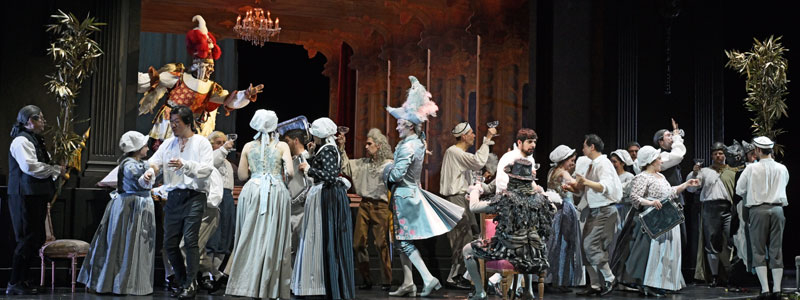
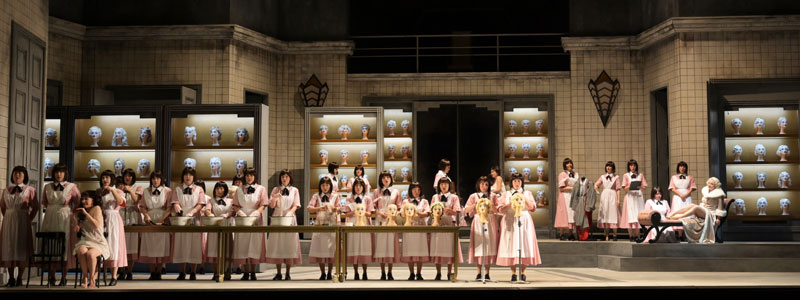
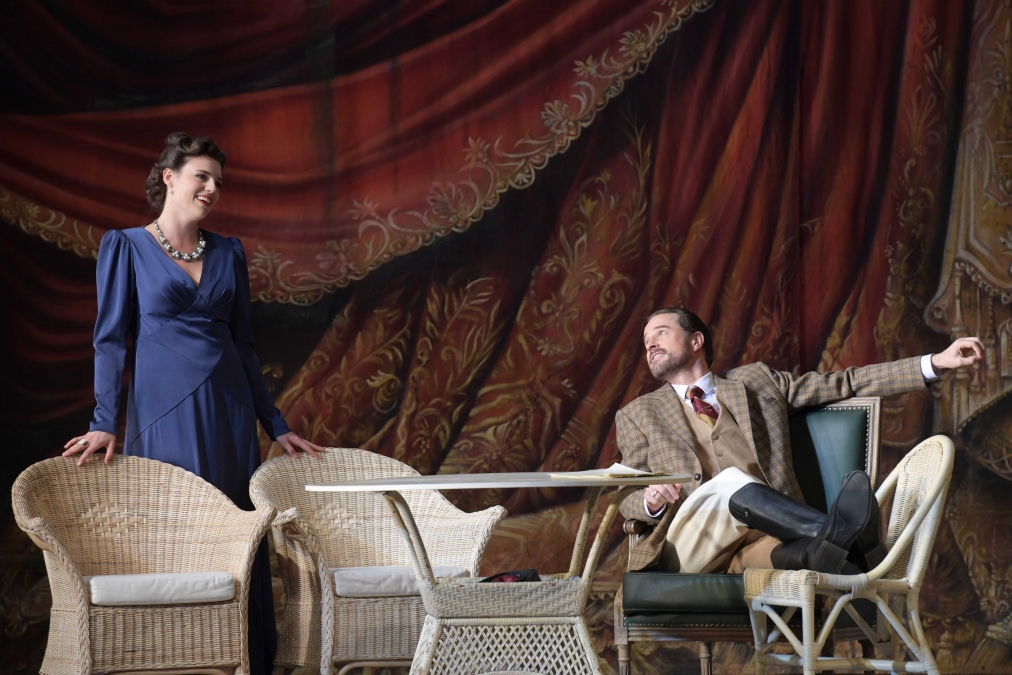
A castle near Paris in 1942, France is under German occupation Preparations are underway to celebrate Countess Madeleine's birthday. She is known for her love of the arts and the theatre director La Roche is rehearsing a programme to celebrate it. The poet Olivier's contribution: his newly finished play, the musician Flamand's: a sextet. Both are in love with the young, widowed, countess. Who will Madeleine choose – words or music? The countess and her brother discuss the priority of word or music. While Madeleine, it is true, warms deeply to music, but does not want to have to decide between the two disciplines or wooing adversaries, the count plumps for word. He admires the famous actress Clairon, who is expected that day. He is drawn by the »joy of the moment«. But Madeleine longs for a deeper, more consistent way of life and love. She cannot witness the devastating consequences of German occupation any longer without doing something, so plans, this very evening, with help from her staff, to join the résistance. Madeleine is alone with Olivier and Flamand. Olivier uses the opportunity to confess his love for Madeleine with the sonnet he dedicated to her, while Flamand rushes off to set it to music. When he comes back and presents it to her, another argument flares up about who the author now is. The countess ends the debate by claiming the sonnet as her own. Flamand lets the countess know how he feels about her too. He is so persistent that she promises him to let him know which of the two men she has decided upon at 11am the next day, in the library. While hot chocolate and cake is being prepared for everyone, La Roche introduces them to a dancer and two singers from Italy. The Theatre Director finally manages to make himself heard. His impassioned speech mirrors a deep belief in theatre and its values, reports on his rich wealth of theatre experience and emphasizes his striving for a way out of the ivory tower of art by portraying »living people of flesh and blood instead of phantoms« on stage. He refers to theatre, but »World Theatre« too, and the countless number of people suffering in silence in 1942, under National Socialism. Olivier and Flamand, who are more intent on being able to pursue their art, don't want to be confronted with politics and meet his appeal with mockery and rejection. Madeleine recognises a kindred spirit in La Roche. Once everybody has calmed down, the dispute about the primacy of words or music culminates in Olivier and Flamand being commissioned to write an opera together. La Roche, Flamand, Olivier and Clairon – accompanied by the Count – take their leave and set off for Paris. Monsieur Taupe, a shady character who claims to be a prompter, emerges from the theatre. He explains to the steward that he fell asleep, and that the »wheels of the world of theater only begin to turn when he has taken his seat in his box«. Did he really fall asleep? Or did he creep into the darkened theatre on purpose to watch, unseen, what was going on in the count's household? Madeleine takes her leave from the events of the day, from her life as a much-courted patron in her Rococo castle... When the steward calls for action with the codeword, »Souper«, the people's fight for freedom begins.