Alcina
Georg Friedrich Händel 1685–1759
Opera in 3 acts
Librettist unknown, based on Antonio Fanzaglia & Ludovico Ariosto
World premiere April 16 1735 Covent Garden, London
Sung in Italian with German & English surtitles
This production first seen June 15 2025
an introductory talk starts in the Holzfoyer 30 mins before performances begin, and is available here, and everywhere podcasts can be found
Background It’s said Alcina has magical powers: tiring of her many lovers, she turned them all into flowers, rocks or animals. She recently bewitched Ruggiero, luring him to her island. Out of his mind with love he completely forgot his fiancée Bradamante, who’s set off to look for him with her advisor, Melisso.
Part I When Bradamante and Melisso reach the island she assumes her brother Ricciardo’s identity. Alcina’s younger sister falls in love with »him«, making her lover Oronte very jealous. Ruggiero, who doesn’t recognise his fiancée, tells »Ricciardo« he’s fallen for Alcina. Oronte gets his own back: Telling Ruggiero he’ll suffer the same fate as all Alcina’s former lovers. She’ll transmogrify him, because she’s fallen for »Ricciardo«. Jealous Ruggiero accuses unsuspecting Alcina of being unfaithful. She, in turn, thinks he no longer loves her. Bradamante reveals her true identity to her fiancé, but Ruggiero doesn’t believe her. Alcina’s willing to turn »Ricciardo« into an animal, to mollify Ruggiero, so Morgana begs »him« to escape. Convinced Alcina’s bound to spare her sister’s lover, Bradamante pretends to reciprocate Morgana’s love. Melisso convinces Ruggiero that Alcina’s kingdom is only make-believe. Ruggiero should pretend to go hunting, and escape. Bradamante reasserts who she really is, but Ruggiero think it’s one of Alcina’s tricks. Alcina’s about to transform »Ricciardo« into an animal, when Ruggiero saves the day by declaring himself cured of his jealousy. Morgana insists that »Ricciardo« loves her, not Alcina. Ruggiero takes his leave before going hunting, with Alcina’s permission, assuring her (spuriously) of his love. Oronte says that Ruggiero, prompted by »Ricciardo« and Melisso, has fled. Abandoned Alcina decides to take revenge.
Part II No sooner have the fugitives Ruggiero and Bradamante been reconciled when Morgana bursts in, warning them of Alcina’s revenge. Ruggiero takes his leave from Alcina’s world. At her wits’ end, Alcina calls on her demons for help, but they don’t obey her anymore. She’s forced to admit that her methods are dysfunctional. Her love for Ruggiero made her lose her magic powers and sovereignty. Let down Morgana tries to make it up with Oronte. He still loves her, but feigns indifference, at first … Alcina meets Ruggiero one last time. Memories of their shared happiness leave him as unmoved as her threats. He leaves. Alcina’s world falls apart.
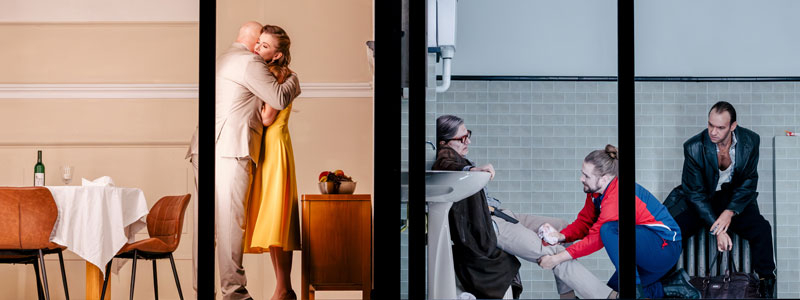
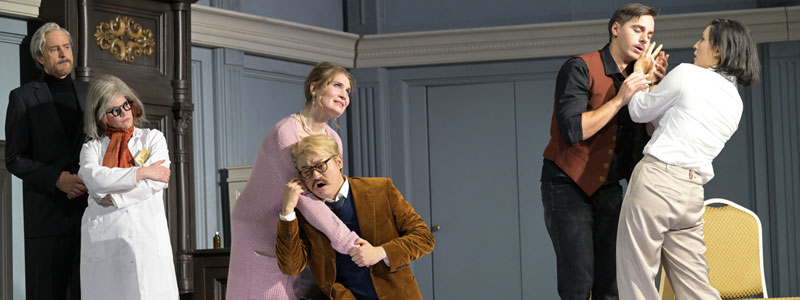
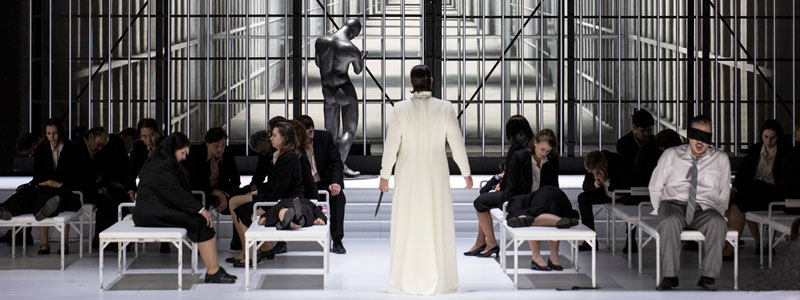
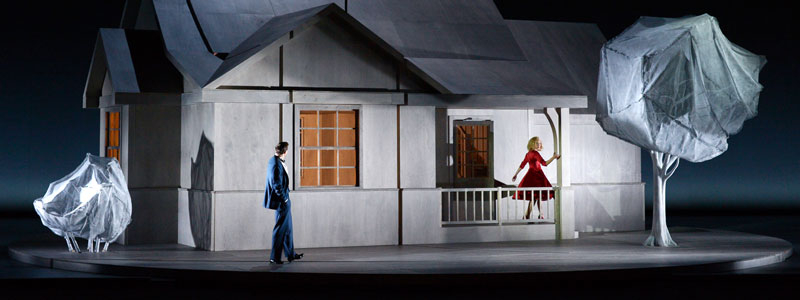
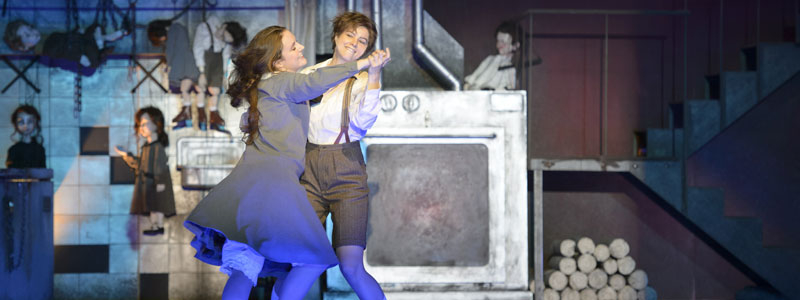
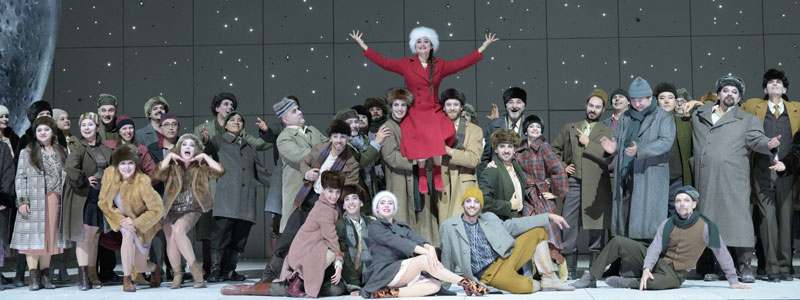
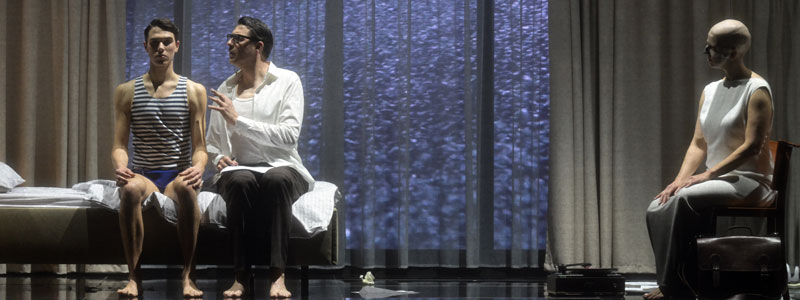
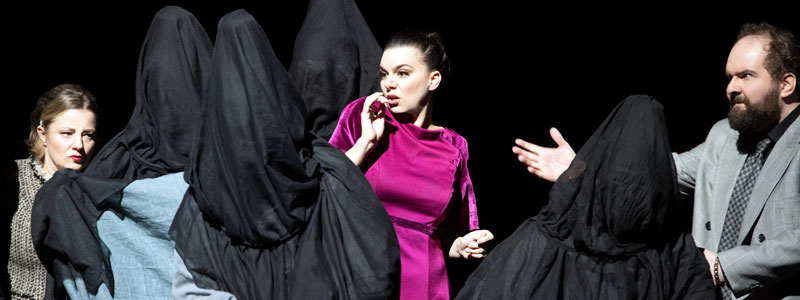
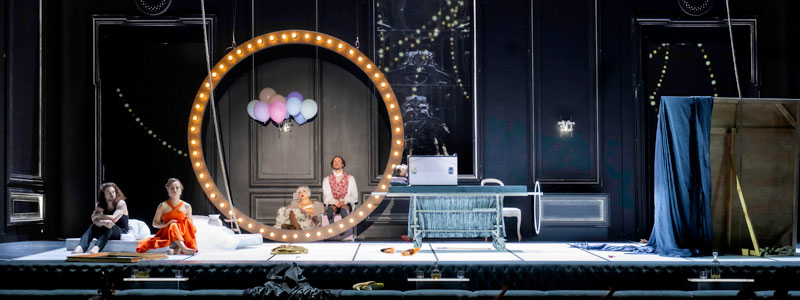
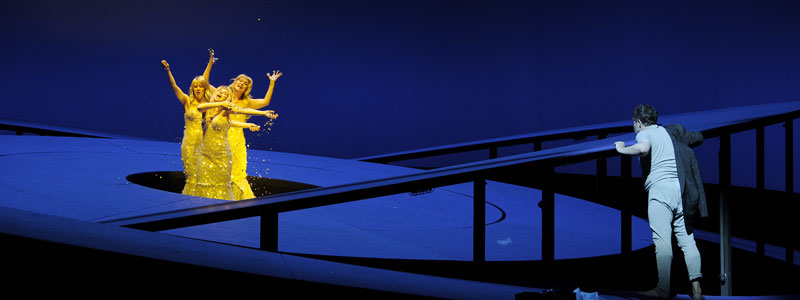
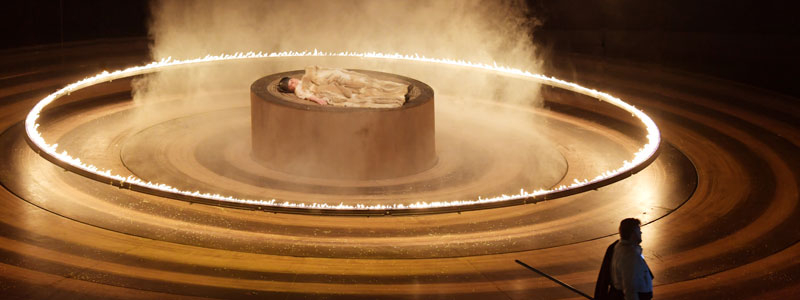
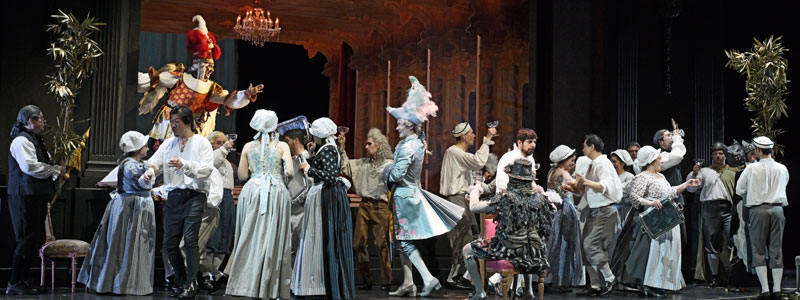
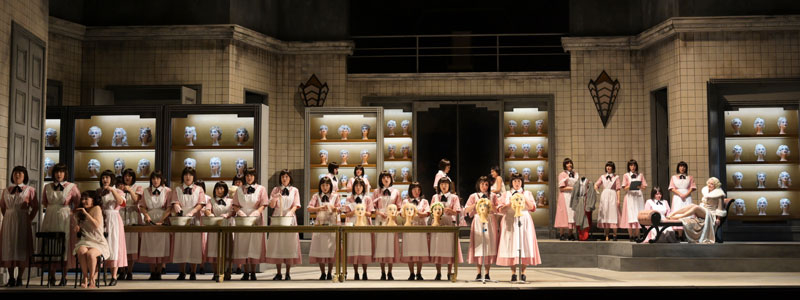
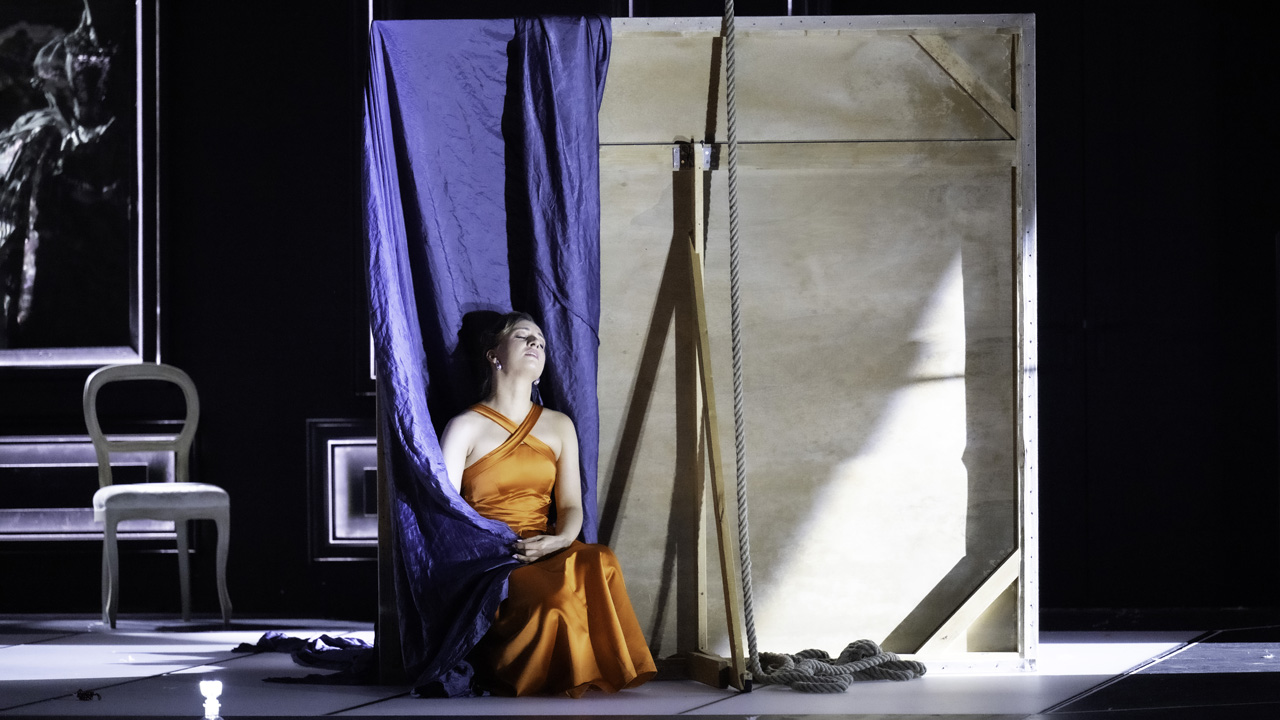
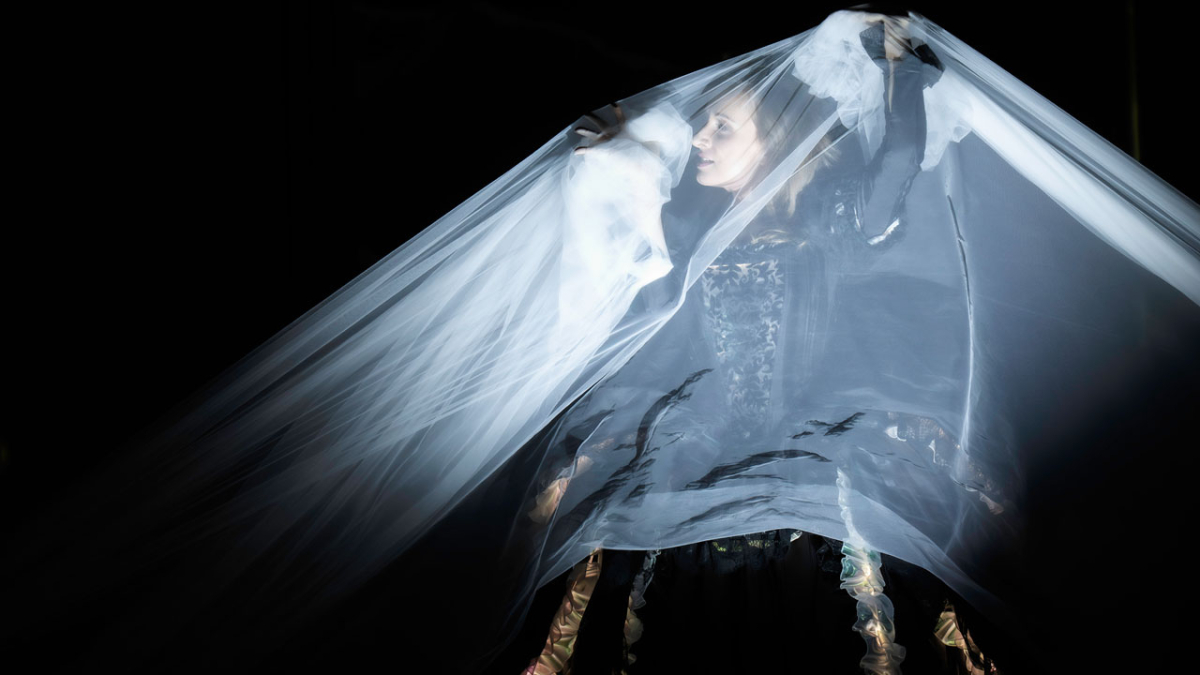
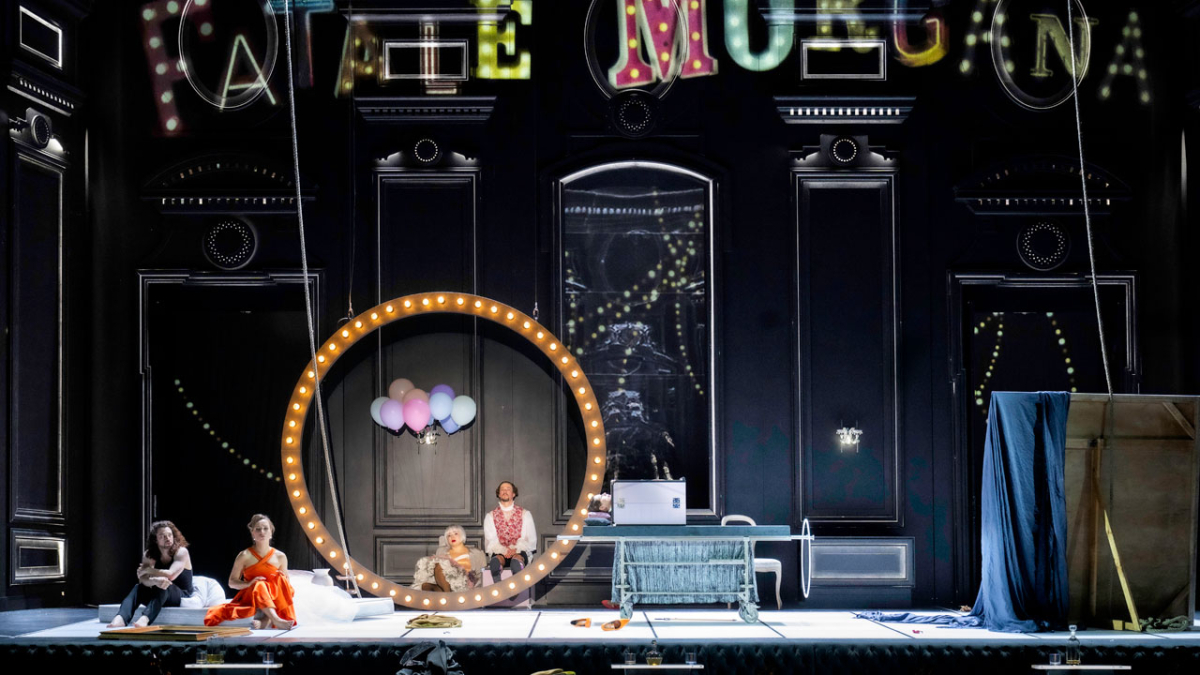
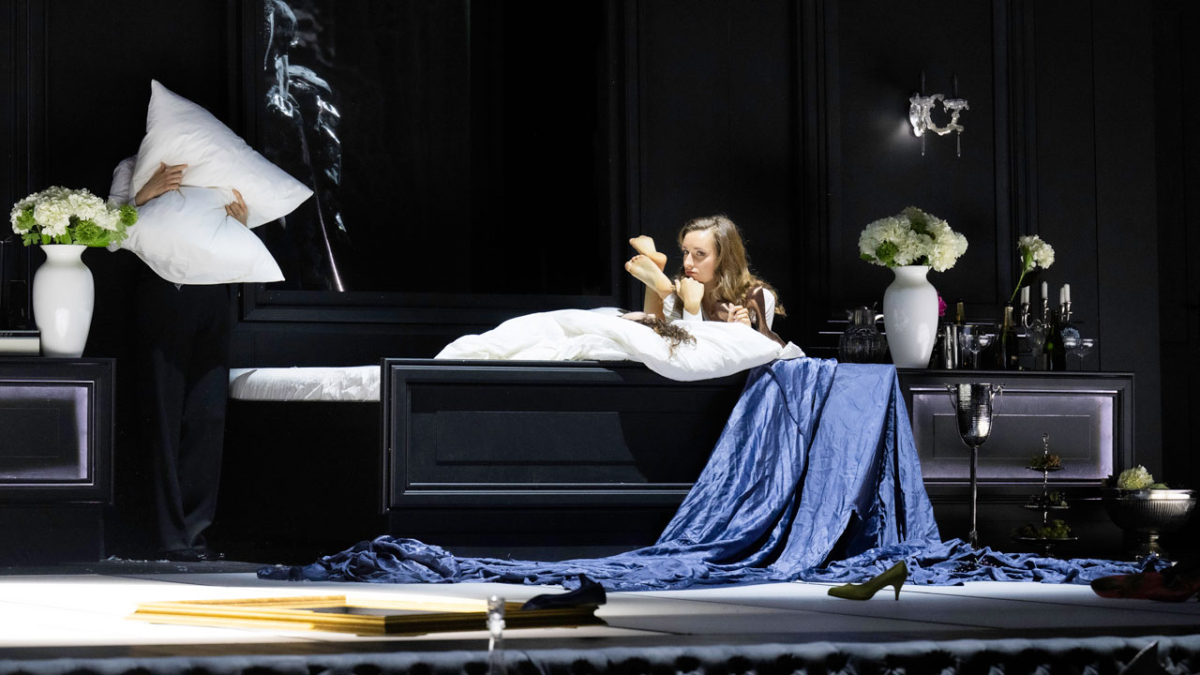
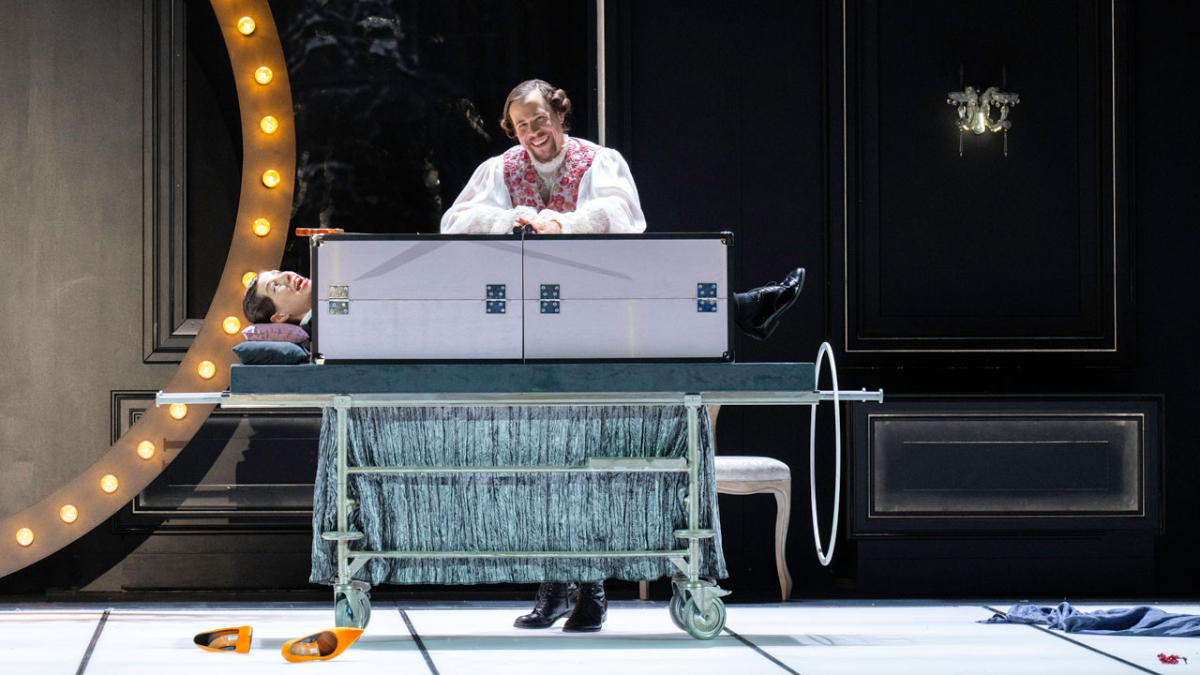
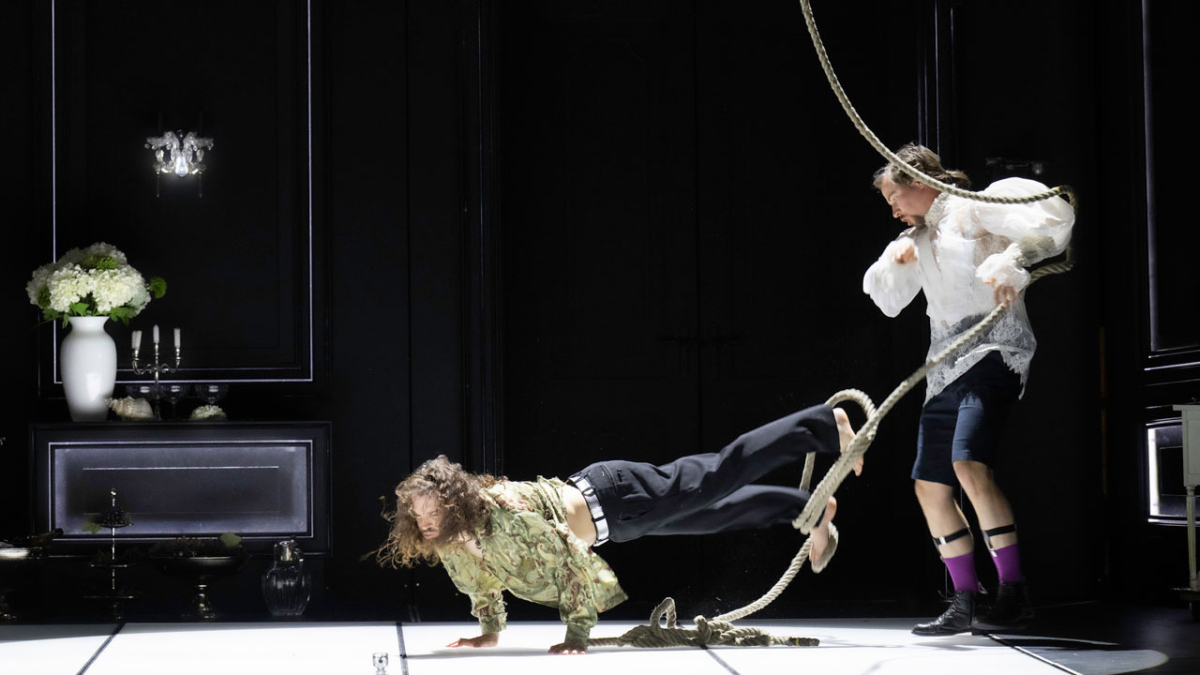
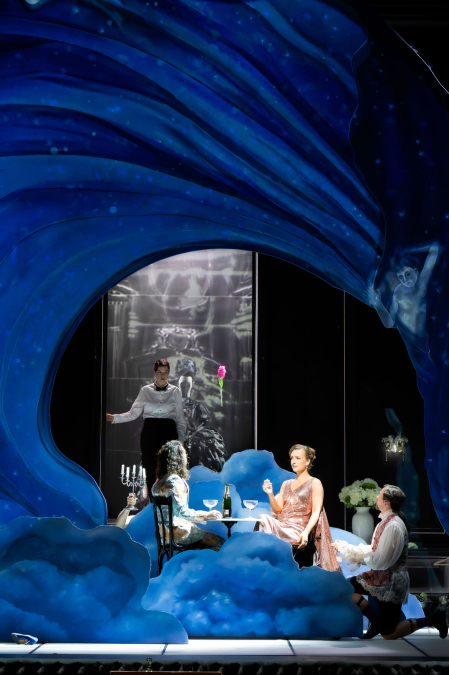
Handel’s protagonists meet on Alcina’s magic island, a place lacking societal norms, where they experience extreme situations, real and manipulated feelings. Alcina’s said to possess magic powers: turning lovers into animals, springs and stones. But her magic fizzles out when she falls for Ruggiero, who found himself in Alcina‘s kingdom by mistake and was seduced by her. He would have met the same fate as his predecessors, and never left the island again, where it not for his fiancée Bradamante’s determination to rescue him and destroy Alcina’s power. A giddy-making merry-go-round gets going, ending with Alcina in love, wounded and alone. Her power and magic gone, looking on while Ruggiero’s rejection of her destroys the island and her empire crumbles. Handel drew disparate characters, unhappy lovers, nervous and needy people, without being judgemental, in one of his best works. His humanistic view of mankind influences this opera too, magic and seduction newly defined in a multi-layered context. Johannes Erath’s production mirrors the beauty and hypnotic fascination with the magic island and an internal world into which one can dip. A cosmos of possibilities with unexperienced longings and complications. Alcina stands for the ability to perceive the world in a sensual way that differs from reality.