Waiting for Today
Arnold Schönberg 1874–1951
Frank Martin 1890–1974
WAITING FOR TODAY
Von heute auf morgen (From Day to Day)
Arnold Schönberg
One act opera. Libretto: Max Blonda (pseudonym for Gertrud Schönberg)
World premiere 1930, Opernhaus, Frankfurt am Main
Accompanying music to a cinematographic scene op. 34
Arnold Schönberg
First performed 1930, Krolloper, Berlin
6 Monologues from Jedermann (Everyman)
Frank Martin
Lieder cycle for baritone & orchestra
Libretto: Hugo von Hofmannsthal
First performed 1949, Venice
Erwartung (Expectation)
Arnold Schönberg 1874–1951
Monodrama in one act. Text by Marie Pappenheim
First performed June 6 1924, Neues Deutsches Theater, Prague
This production first seen January 16 2022
Sung in German with German & English surtitles
introductory talks 30 mins before curtain up in the Holzfoyer, and available here and everywhere podcasts can be found
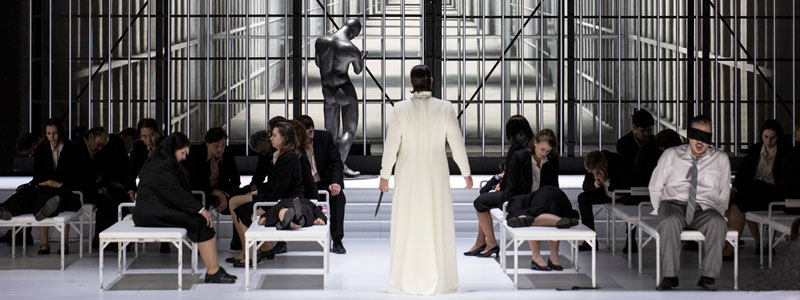
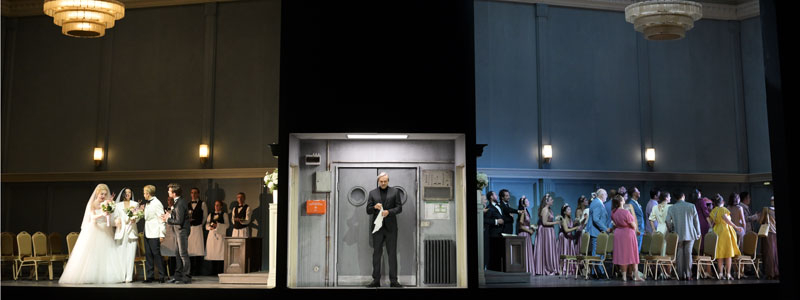
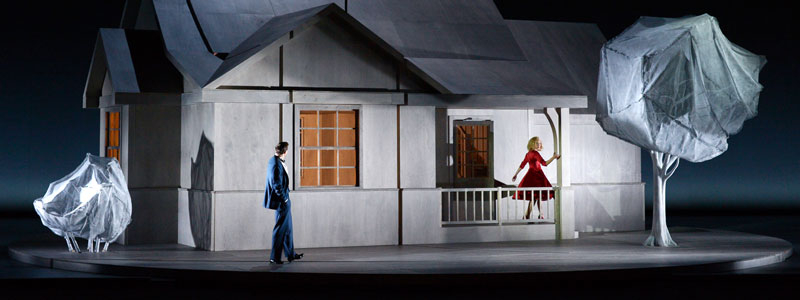
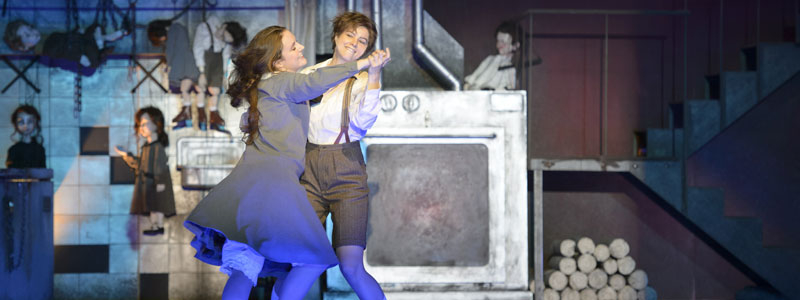
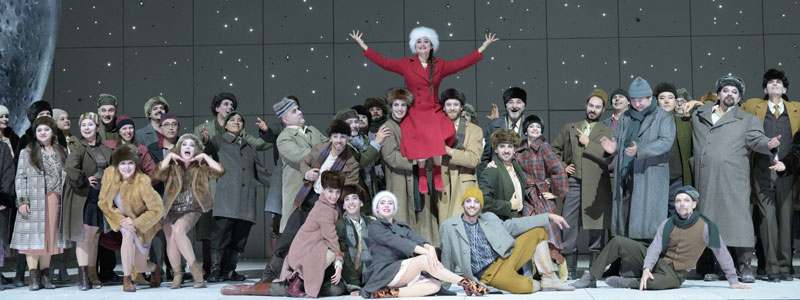
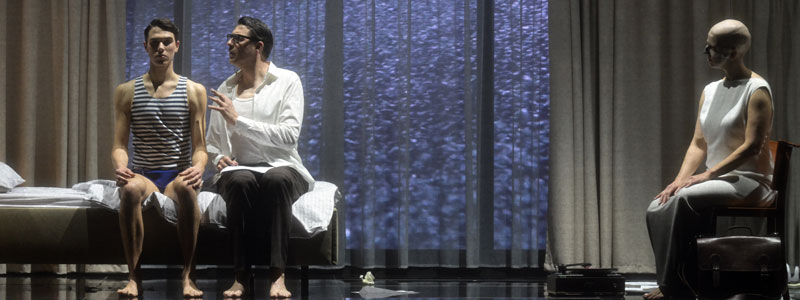
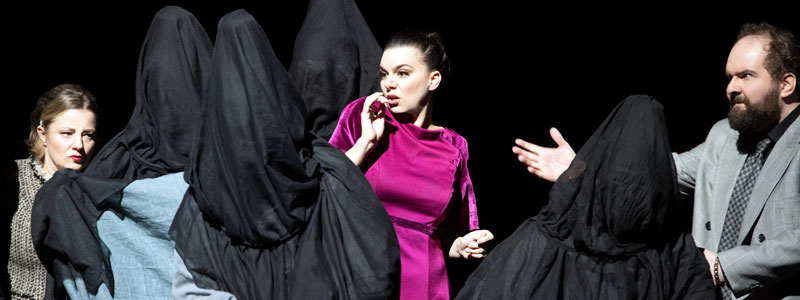
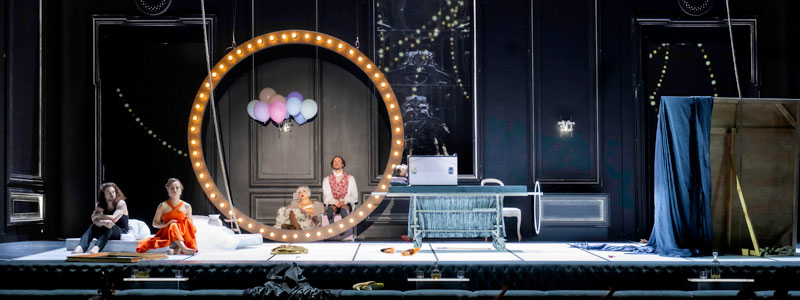
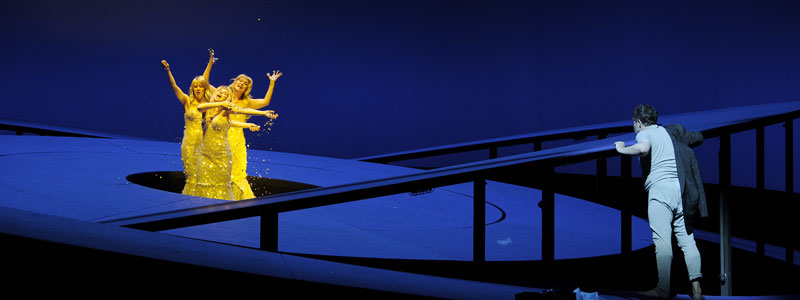
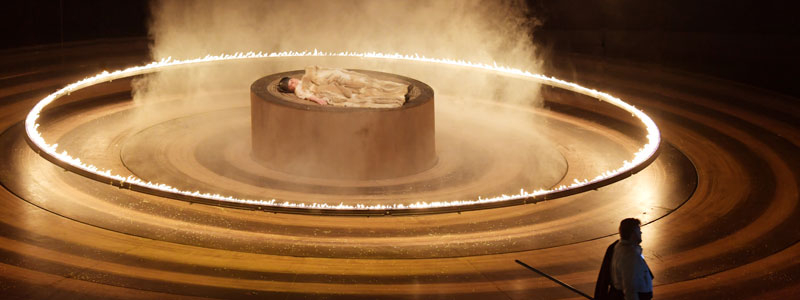
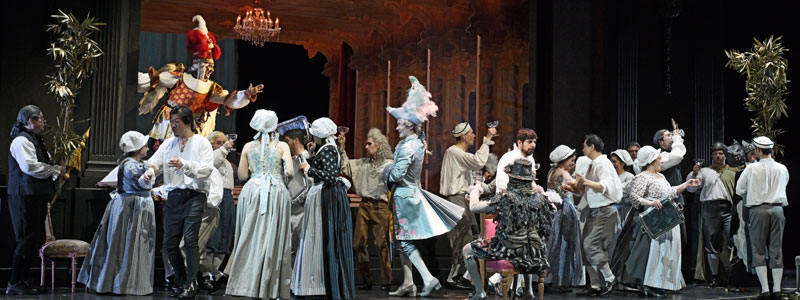
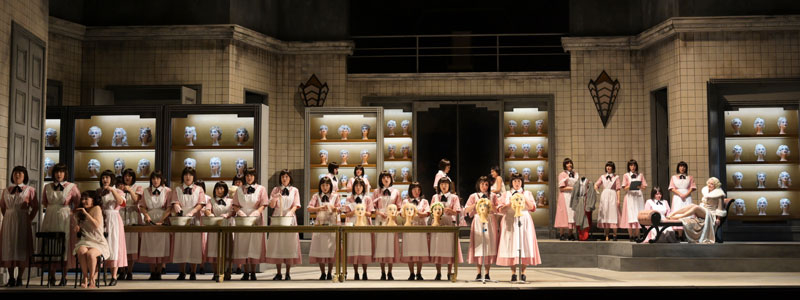
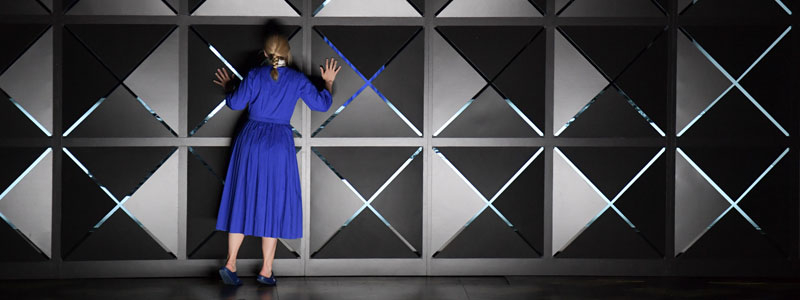
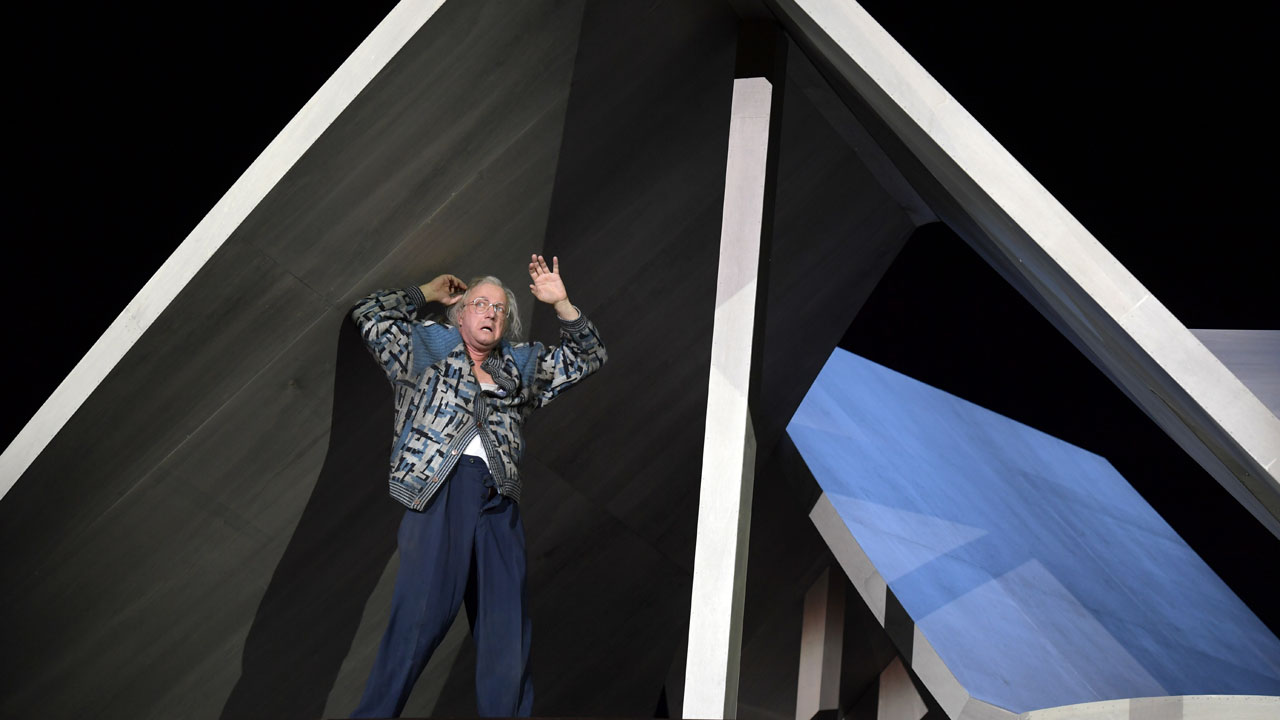
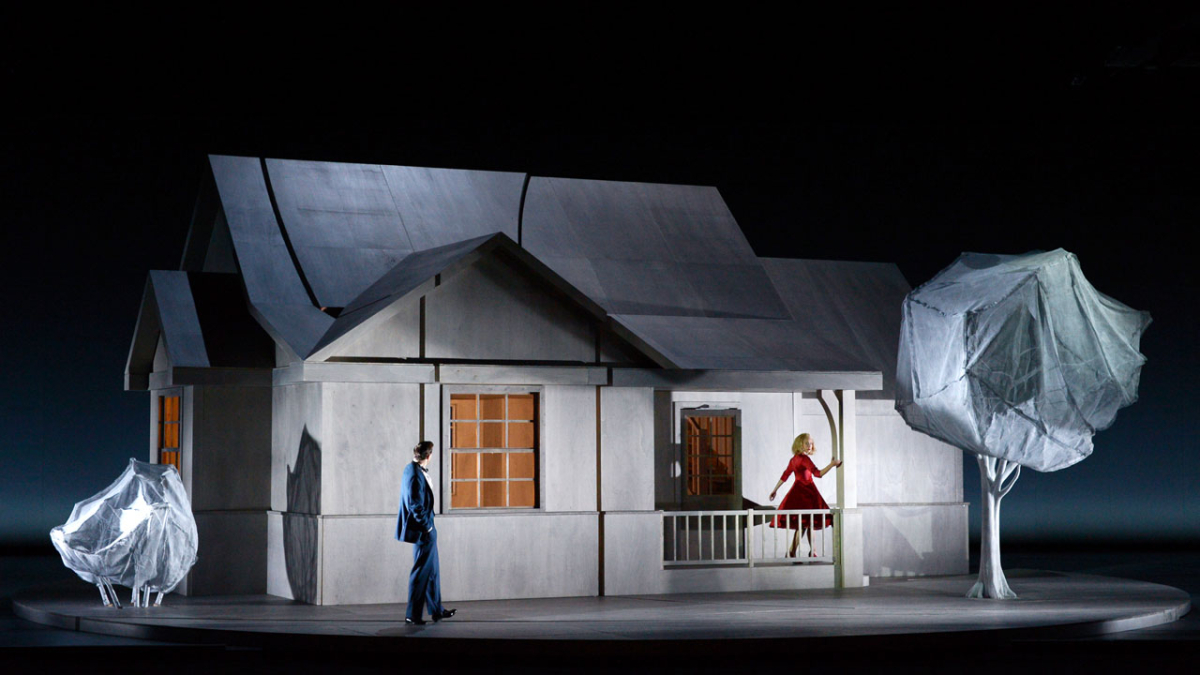
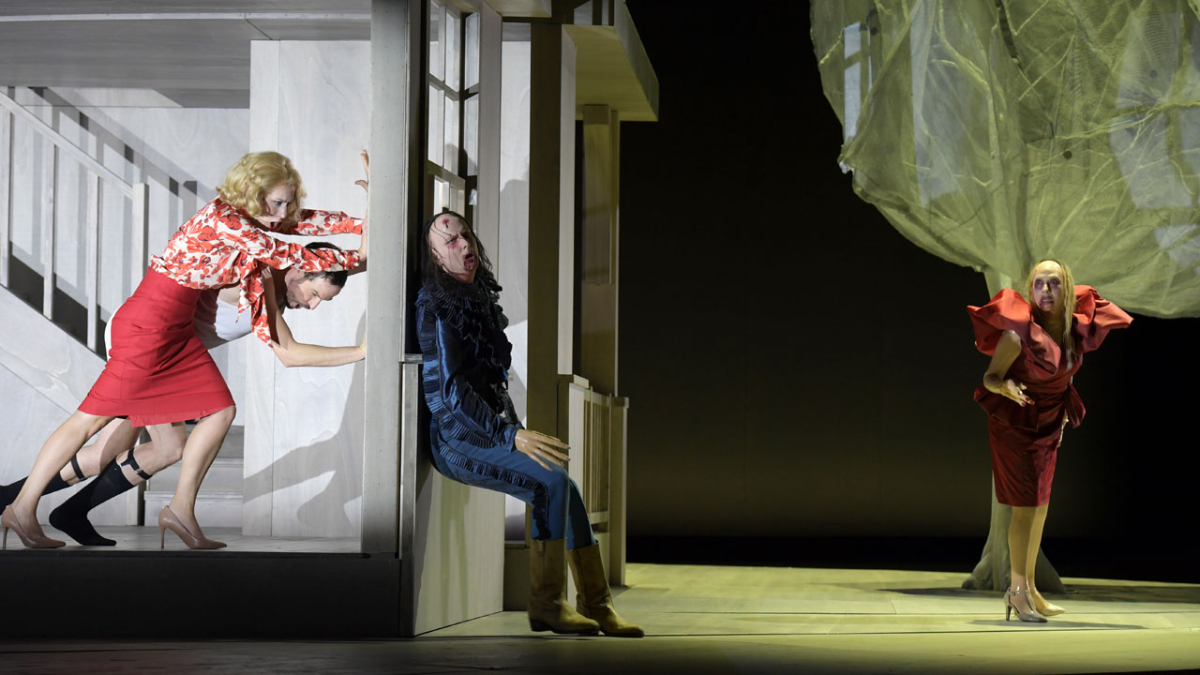
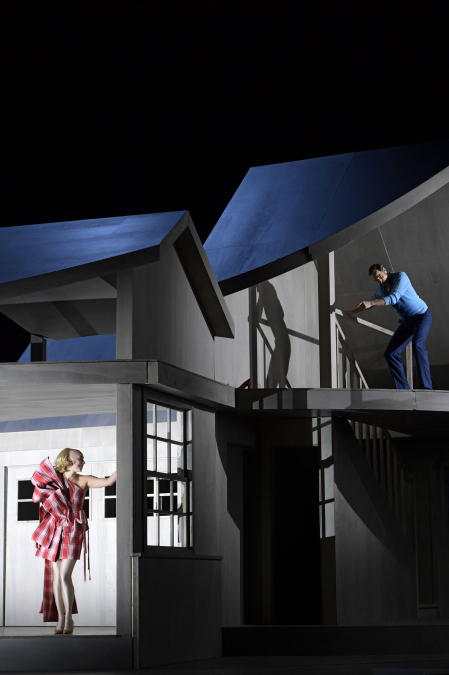
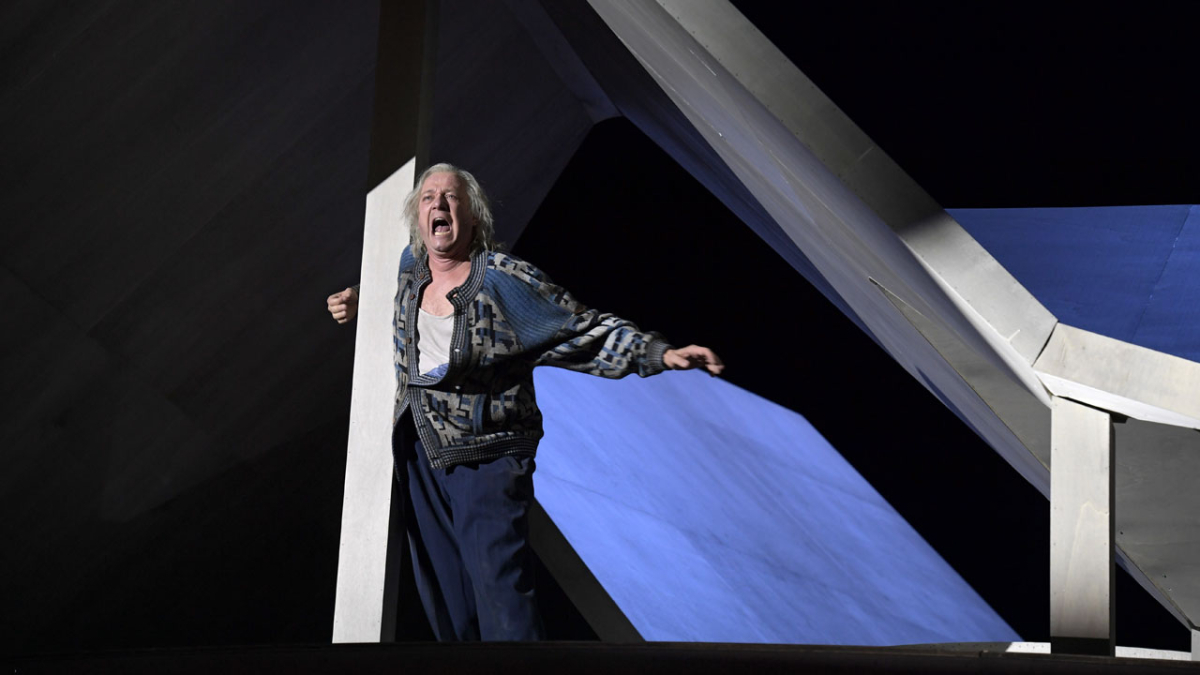
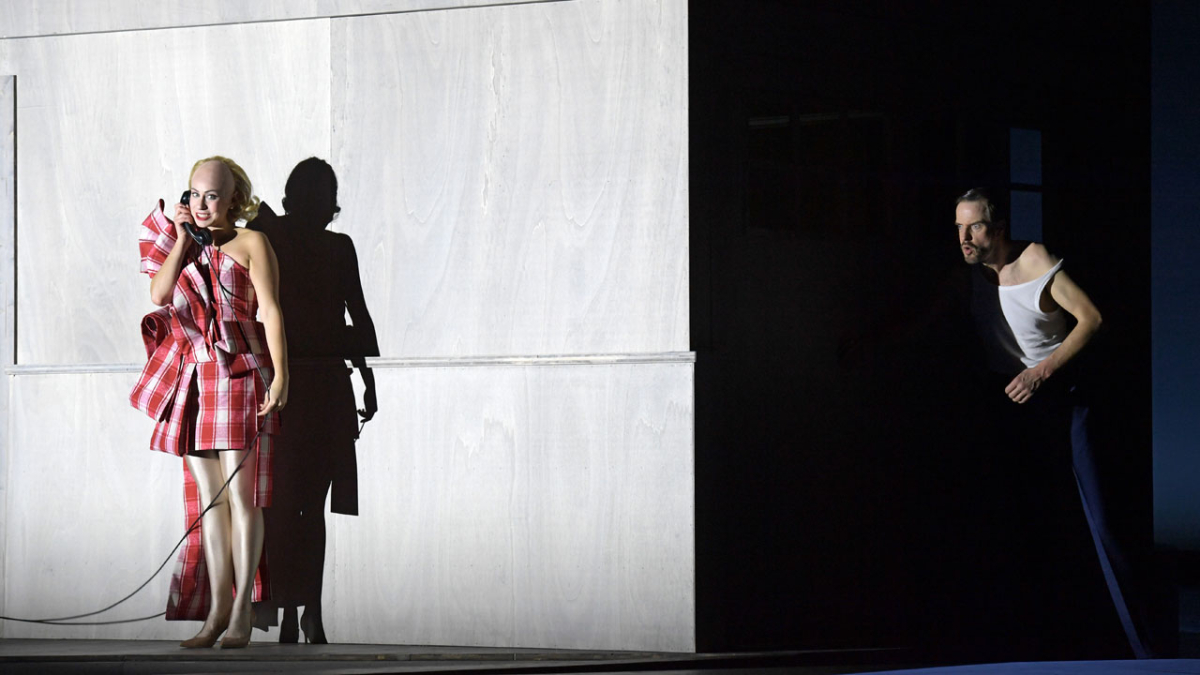
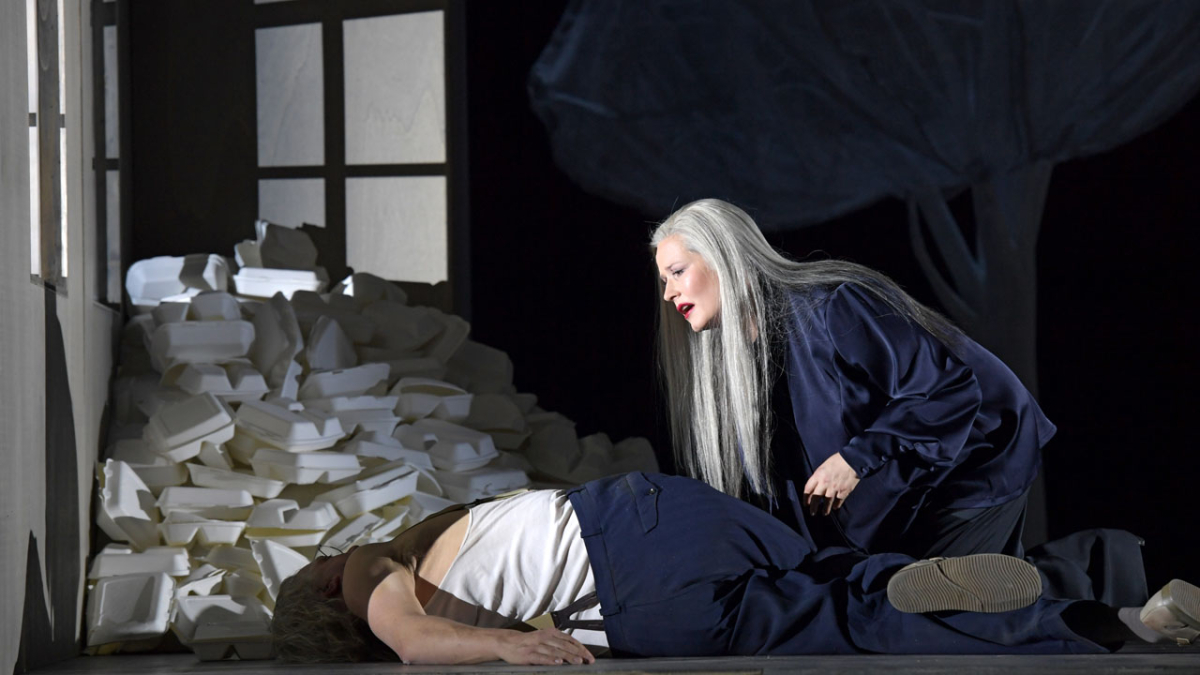
From Day to Day A married couple get into an argument after an evening out: While he fantasizes about his wife's attractive friend, she goes into raptures about a famous tenor who flirted with her. The husband thinks his wife's friend is the personification of the ideal »woman of today«, his wife merely a »good little housewife«. His wife loses her patience on hearing this. »Every woman can be both!«, which she intends to prove in a dizzy-making game of dressing up. She sings and dances like a seductive »woman of the world«, ignores her whining child and bosses her astonished husband about. The telephone rings, it's the famous tenor. The wife agrees to meet him in a bar. Her husband can go and have fun with her friend. This is too much: he wants his wife back - as »she used to be«. But the singer and her friend are already there: they attempt, unsuccessfully, to convince the married couple to take a »modern view« of life and love. The couple decide to stay together, but the evening's left scars … Accompanying music for a cinematographic scene: The couple grow apart. The wife moves out, leaving husband and child. Six monologues from »Jedermann«: A man spends his days in a big house. His only contact, a woman from meals on wheels. He feels his life is drawing to an end. This premonition of death triggers all sorts of feelings in him: Panic-stricken, he tries to shake thoughts of death off. He doesn't want to take his leave from life and his worldly goods. He thinks he hears his mother's voice. Looking back on missed chances and his own mistakes he realises: »Nobody lives twice!« In the end he turns to God full of hope, begging for redemption … Expectation: The wife wants to go back to her old home, to her husband – remembering their life together, the lovely, tender moments they once shared. She's nervous: every sound, movement, shadow in the warm moonlight unsettles her. She hopes and fears to meet the man she loved so much again. She looks through a window, and sees his body. After the initial shock, jealousy consumes her: Was there another woman back then? Now, thinking back, she's certain. He was unfaithful to her … Torn between fury and grief she asks herself: Who killed him? What's the point in living? Where is there to go, when the person with whom she shared so much and the place that was her home no longer exist.
A woman, a man. Marriage, day to day life, life. What will today bring? And tomorrow? And how will they look back on their shared past the day after tomorrow? David Hermann used these questions as a thread to a tell a story combining four 20th century works. Titled Waiting for Today, he combined Arnold Schönberg’s twelve tone Von heute auf morgen, music for a cinematographic scene and the expressive monodrama Erwartung with songs from Frank Martin’s 6 monologues from Jedermann. The evening homes in on seemingly predetermined breaking points in marriages in a deeply moving way, revealing those they carry around within them too. The extraordinary range of dynamics and dimensions inWaiting for Today breathes feelings of certain uncertainty, an impenetrable, anxious state of mind and loneliness – perameters for a past and new today?