Zaide
Wolfgang Amadeus Mozart 1756–1791
German Singspiel in 2 acts, fragment (1779/80)
Libretto Johann Andreas Schachtner
World premiere January 27 1866, Oper Frankfurt!
With excerpts from Mozart’s music for the play Thamos, King of Egypt (1773)
Sung in German with German surtitles
Introductory talks in the Bockenheimer Depot 30 mins before curtain up, and available here and everywhere podcasts can be found shortly after opening night
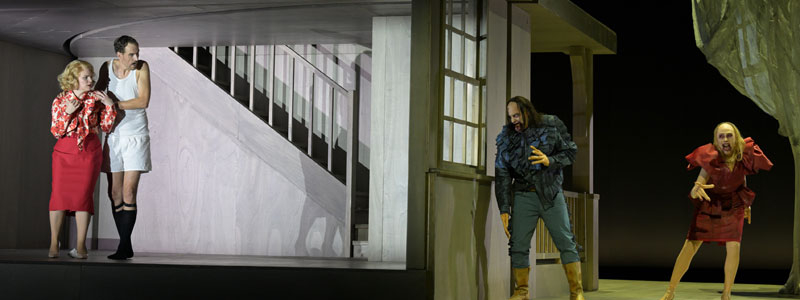
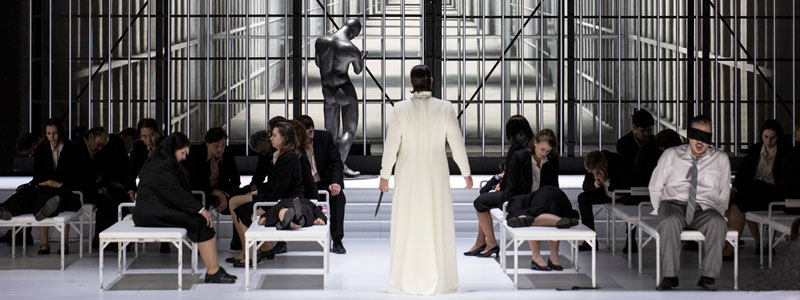
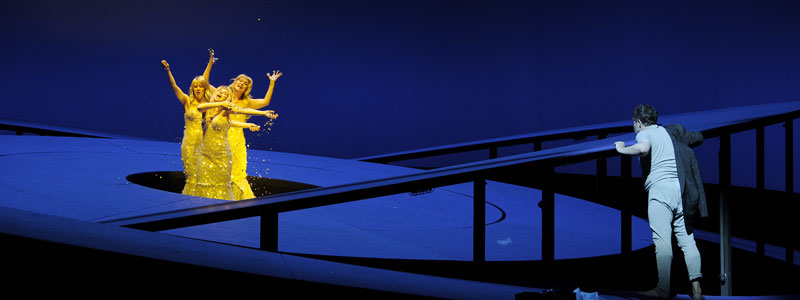
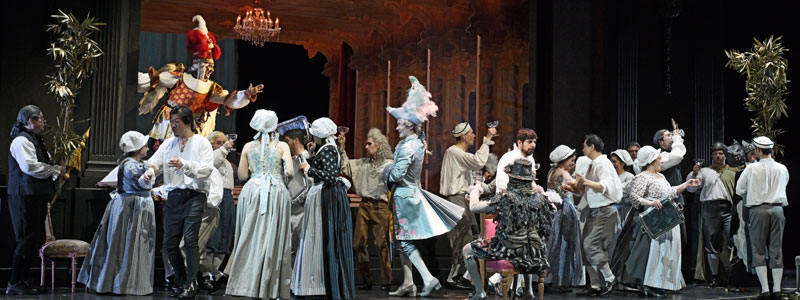
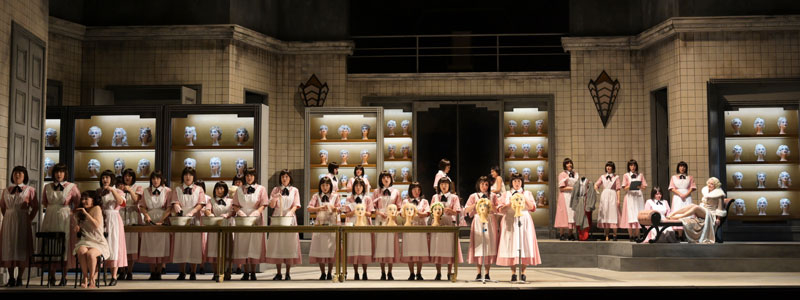
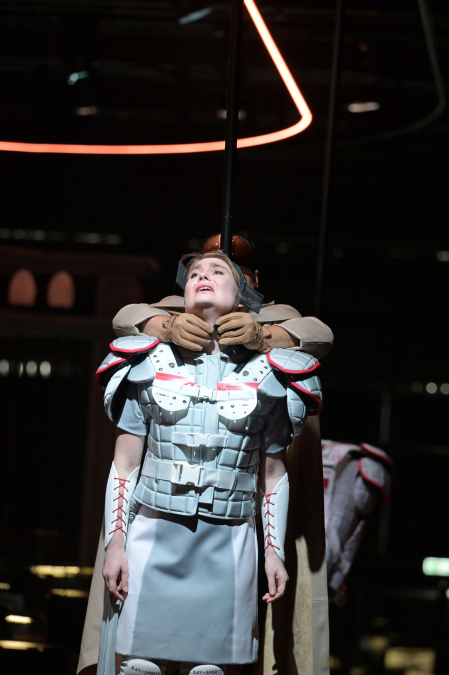
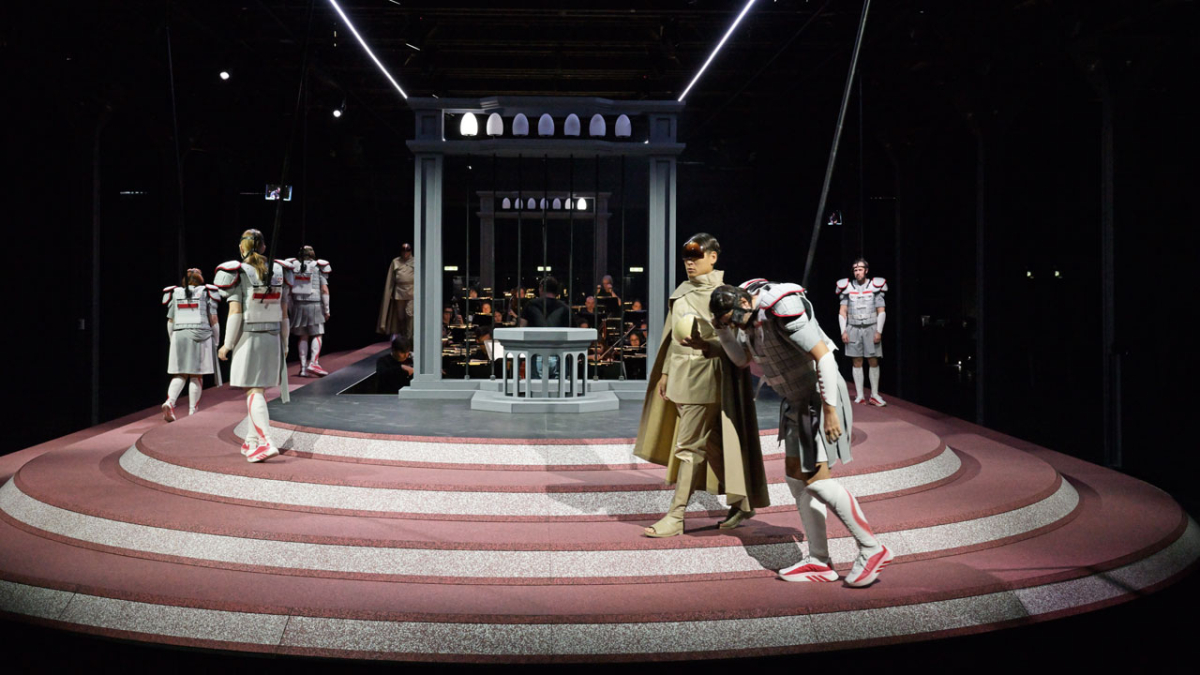
Gomatz, Allazim and other inmates eke out an existence in the monotonous confines of a brutal, anonymous power system.
Zaide, a new prisoner, is brought to join them. While she’s still trying to find a way to outwit her fate, the others have abandoned all hope.
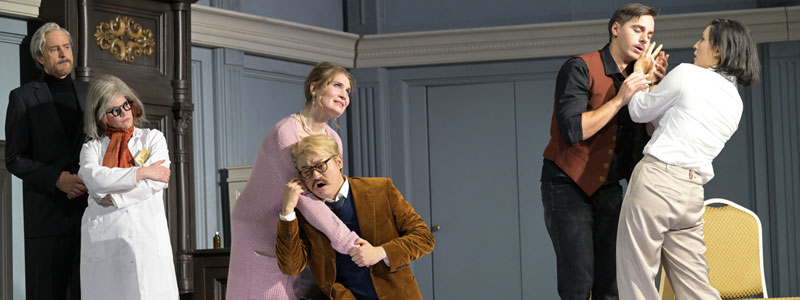
Zaide and Gomatz are strongly drawn to each other. Feeling new optimism, Gomatz tries to challenge the system, but is forced to back down again.
The lovers decide to try and escape. Allazim agrees to help them. At the first opportunity he lingers behind to give them the chance to get away – and is punished for making a break for it.
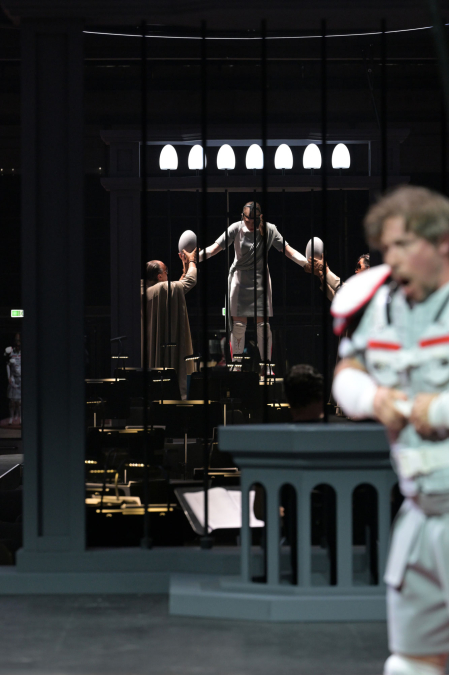
Zaide and Gomatz are captured. The system punishes them brutally. Zaide, Gomatz and Allazim’s deaths seem inevitable.
From our perspective Mozart’s unfinished Singspiel seems like a trial run for Entführung aus dem Serail, written two years later: Zaide and Gomatz meet in prison and fall in love. They make a failed attempt to escape. Will Soliman, desirous of Zaide, pardon them or punish them?
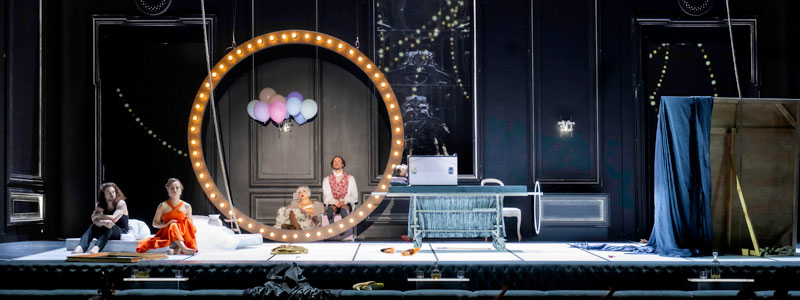
Mozart’s score, with no overture, finale or much dialogue, doesn’t tell us, leaving plenty of leeway to tackle this »serious German Singspiel«. The director David Hermann combines it with numbers from Mozart’s music for Thamos, highlighting the darker facets of Zaide, making it unnervingly relevant, evoking associations of brutality and restrictions around the world today.
How powerful is love? How much human empathy is there? What does liberty really mean?
Zaide was written at a turning point in the composer’s life: Mozart likened his years in service to Salzburg’s prince archbishop Colleredo, with whom he was soon to lock horns and start working freelance in Vienna, as pure, unadulterated »slavery«. The in-depth examination of the human soul, evident in this Singspiel fragment, marks the beginning of a process of emancipation: from his breadwinner, hometown and father. It also signalled Mozart's adopting a new approach, devoted to the spirit of Enlightenment.